
Lifestyle
Design Your Forever Home: Future-Proofing for Family Life

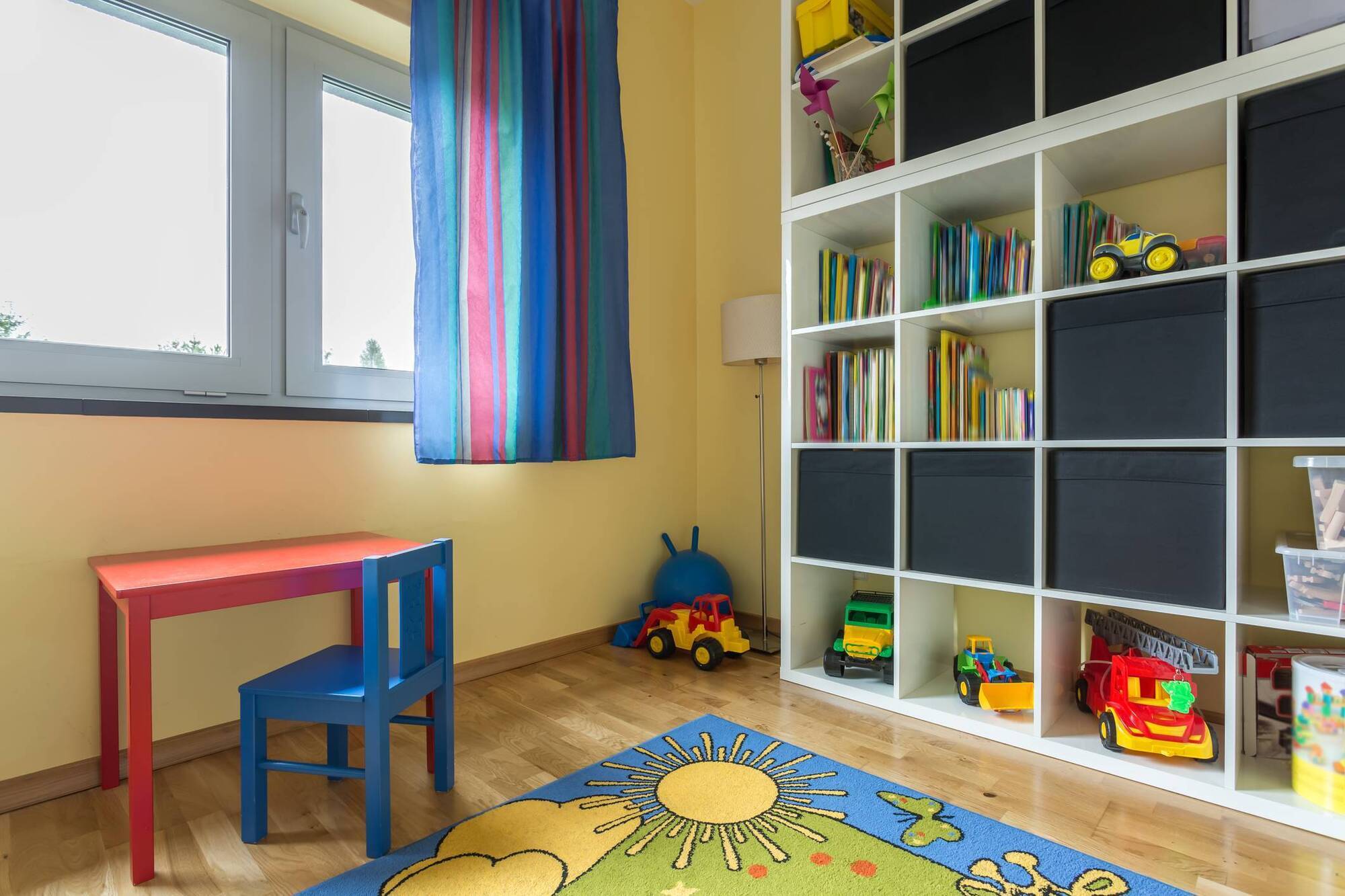
Designing a home to last through various family stages requires careful consideration of evolving needs, according to building engineer and director of KMC Homes, Kieran McCarthy. As families grow and change, the functionality of home spaces often needs to adapt, a reality faced by many homeowners.
The challenge arises when families design their homes based on immediate needs, particularly when children are young. Christina Longford, a homeowner preparing to build her forever home, observed that some friends who built years ago are now reconsidering their layouts. This reflects a common issue: homes designed primarily for toddlers may not serve well as children grow into teenagers.
Many families initially prioritize playrooms and child-centric spaces. McCarthy notes that parents often express a need for a playroom off the kitchen, driven by the chaos of early parenthood. While these spaces are crucial during the early years, they may not be as relevant as children grow. He emphasizes that a good architect should guide clients to envision their lives beyond the immediate chaos of parenting, considering how the home will function with older children and eventually empty nests.
When McCarthy designed his first home during the economic boom known as the Celtic Tiger, the concept of an open-plan kitchen was still relatively new. With one child and another on the way, he understood the need for an adaptable space. He created a lounge area, but it took years before they furnished it fully. Initially, the space served as a play area, allowing his children to play while remaining close to their parents. This foresight in design allowed the family to transition smoothly as their needs changed.
As children grow, so do their interests and social needs. McCarthy points out that once children become teenagers, their use of home spaces evolves again. They may prefer watching television in the sitting room or spending time in their own rooms. This shift highlights the importance of flexibility in home design.
Moreover, as families age, considerations for elder relatives become increasingly important. Homeowners might find themselves wishing for a downstairs bedroom to accommodate visiting parents or their own future needs as they age. Anticipating these requirements can enhance the long-term appeal and functionality of a home.
To effectively future-proof a home, McCarthy recommends engaging closely with architects who challenge conventional designs and encourage clients to think about how their lives will change over time. This proactive approach can prevent the need for costly renovations later.
As Kieran McCarthy continues to share insights through various platforms, including his appearances on the RTÉ property show Cheap Irish Homes, he reinforces the message that thoughtful design can significantly impact family life. For more information, visit KMC Homes’ new website at kmchomes.ie or follow McCarthy on social media for tips and advice on building homes that adapt through various life stages.
In creating a space that accommodates growth, families can enjoy their homes for years to come, making memories in environments that evolve alongside them.

Mother Reveals Daughter’s Meningitis Seizure After Night Out

Major Oil Spill Disrupts Traffic in Donegal on March 16, 2026

Discovering Literature: The Joys of Rejoining a Public Library

Ted Season 2 Announced: Release Date & Trailer Updates Revealed

Research Ireland and UKRI Forge New Collaboration Agreement

David McGoldrick’s Impressive Scoring Streak Sparks World Cup Talk

Plane Crash Claims Lives of Publishing Heir, Pregnant Wife, and Pilot

Oscars Snub Brigitte Bardot Sparks Controversy Over In Memoriam

Meta Plans Major Layoffs to Offset Rising AI Investment Costs

Tributes Surge for 9-Year-Old Leon Briody After Cancer Battle

Aimee Osbourne Joins Family for Emotional Tribute to Ozzy

Danny Healy-Rae Considers Complaint After Altercation with Garda

Hawaii Commemorates 80 Years Since Hiroshima Bombing with Ceremony

Ireland Enjoys Summer Heat as Hurricane Erin Approaches Atlantic

Couple Convicted of Murdering Two-Year-Old Grandson in Wales

Newcastle West Woman Patricia Foley Found Safe After Urgent Search

Fianna Fáil TDs Urgently Consider Maire Geoghegan-Quinn for Presidency

Gaza Aid Distribution Tragedy: 20 Killed Amid Ongoing Violence
-
 Top Stories7 months ago
Tributes Surge for 9-Year-Old Leon Briody After Cancer Battle
-
 Entertainment9 months ago
Aimee Osbourne Joins Family for Emotional Tribute to Ozzy
-
 Politics9 months ago
Danny Healy-Rae Considers Complaint After Altercation with Garda
-
 World9 months ago
Hawaii Commemorates 80 Years Since Hiroshima Bombing with Ceremony
-
 Top Stories8 months ago
Ireland Enjoys Summer Heat as Hurricane Erin Approaches Atlantic
-
 World9 months ago
Couple Convicted of Murdering Two-Year-Old Grandson in Wales
-
 Top Stories7 months ago
Newcastle West Woman Patricia Foley Found Safe After Urgent Search
-
 Top Stories9 months ago
Fianna Fáil TDs Urgently Consider Maire Geoghegan-Quinn for Presidency
-
 World9 months ago
Gaza Aid Distribution Tragedy: 20 Killed Amid Ongoing Violence
-

 World9 months ago
Aristocrat Constance Marten and Partner Convicted of Infant Murder
-

 Top Stories8 months ago
Hike Donegal’s Errigal Mountain NOW for Unforgettable Summer Views
-

 Top Stories8 months ago
Climbing Errigal: A Must-Do Summer Adventure in Donegal