
Lifestyle
EU Court Mandates Recognition of Same-Sex Marriages Across Bloc

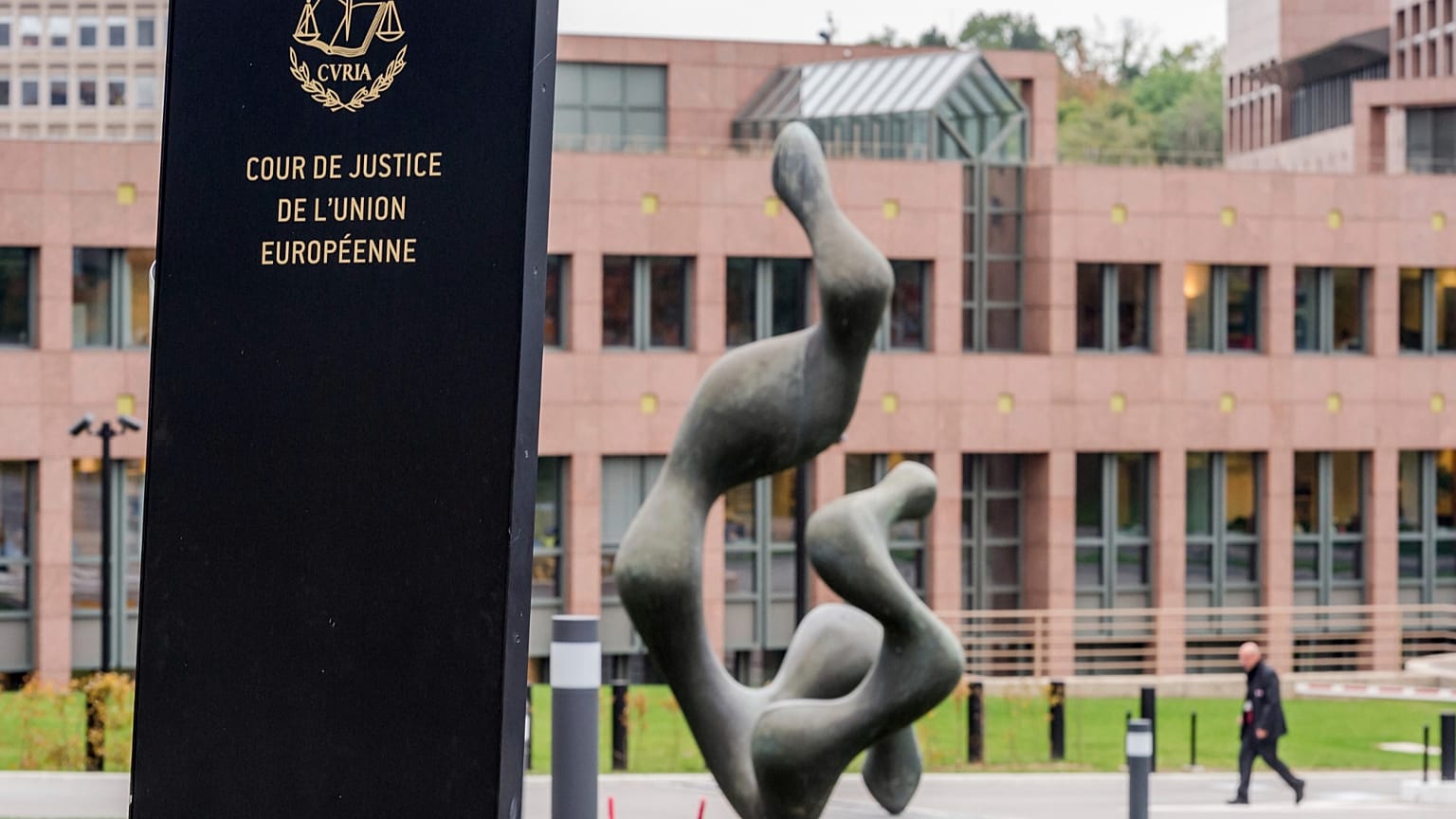
The European Court of Justice (ECJ) has ruled that all member states of the European Union (EU) must recognize same-sex marriages that have been lawfully concluded in any other EU country. This landmark decision, announced on Tuesday, has significant implications for the rights of LGBTQ+ individuals across Europe.
The ruling stems from a case involving two Polish citizens who married in Berlin in 2018. Upon returning to Poland, they sought to have their German marriage certificate transcribed into the Polish civil register. Their request was denied, as Poland does not permit same-sex marriages. The couple subsequently challenged this decision in the Polish Supreme Administrative Court, which referred the matter to the ECJ in Luxembourg.
In its judgment, the ECJ emphasized that refusing to recognize a lawful marriage is “contrary to EU law” as it infringes upon the freedoms and rights to respect for private and family life. The court noted that such refusals can lead to “serious inconvenience” at various levels, including administrative, professional, and personal, effectively compelling spouses to live as unmarried individuals.
Implications for LGBTQ+ Rights Across Europe
The judges highlighted that spouses, as EU citizens, have the right to move and reside freely within member states, and they should be able to maintain a normal family life upon returning to their country of origin. The court stated, “When they create a family life in a host member state, in particular by virtue of marriage, they must have the certainty to be able to pursue that family life upon returning to their member state of origin.”
This ruling does not compel member states to change their domestic laws regarding same-sex marriage. Instead, it mandates that they recognize marriages legally conducted in other EU countries. The court clarified that this recognition must occur “without distinction” or the imposition of additional barriers.
As of now, more than half of the EU’s 27 member states legally recognize same-sex marriage. The Netherlands was the first country in the world to do so in 2001. While many countries have established civil unions, Poland remains one of the few that does not recognize same-sex marriages, despite efforts by Prime Minister Donald Tusk to enhance LGBTQ+ rights.
This ruling is expected to be welcomed by LGBTQ+ advocates across Europe, marking a significant step forward in the recognition of same-sex relationships within the European Union. By reinforcing the right to family life for all citizens, the ECJ’s decision strengthens the legal framework for equality in the region, ensuring that marriages are respected regardless of where they were conducted.

Mother Reveals Daughter’s Meningitis Seizure After Night Out

Major Oil Spill Disrupts Traffic in Donegal on March 16, 2026

Discovering Literature: The Joys of Rejoining a Public Library

Ted Season 2 Announced: Release Date & Trailer Updates Revealed

Research Ireland and UKRI Forge New Collaboration Agreement

David McGoldrick’s Impressive Scoring Streak Sparks World Cup Talk

Plane Crash Claims Lives of Publishing Heir, Pregnant Wife, and Pilot

Oscars Snub Brigitte Bardot Sparks Controversy Over In Memoriam

Meta Plans Major Layoffs to Offset Rising AI Investment Costs

Tributes Surge for 9-Year-Old Leon Briody After Cancer Battle

Aimee Osbourne Joins Family for Emotional Tribute to Ozzy

Danny Healy-Rae Considers Complaint After Altercation with Garda

Hawaii Commemorates 80 Years Since Hiroshima Bombing with Ceremony

Ireland Enjoys Summer Heat as Hurricane Erin Approaches Atlantic

Couple Convicted of Murdering Two-Year-Old Grandson in Wales

Gaza Aid Distribution Tragedy: 20 Killed Amid Ongoing Violence

Newcastle West Woman Patricia Foley Found Safe After Urgent Search

Fianna Fáil TDs Urgently Consider Maire Geoghegan-Quinn for Presidency
-
 Top Stories10 months ago
Tributes Surge for 9-Year-Old Leon Briody After Cancer Battle
-
 Entertainment12 months ago
Aimee Osbourne Joins Family for Emotional Tribute to Ozzy
-
 Politics12 months ago
Danny Healy-Rae Considers Complaint After Altercation with Garda
-
 World12 months ago
Hawaii Commemorates 80 Years Since Hiroshima Bombing with Ceremony
-
 Top Stories11 months ago
Ireland Enjoys Summer Heat as Hurricane Erin Approaches Atlantic
-
 World12 months ago
Couple Convicted of Murdering Two-Year-Old Grandson in Wales
-
 World12 months ago
Gaza Aid Distribution Tragedy: 20 Killed Amid Ongoing Violence
-
 Top Stories10 months ago
Newcastle West Woman Patricia Foley Found Safe After Urgent Search
-
 Top Stories12 months ago
Fianna Fáil TDs Urgently Consider Maire Geoghegan-Quinn for Presidency
-

 World12 months ago
Aristocrat Constance Marten and Partner Convicted of Infant Murder
-

 Top Stories11 months ago
Climbing Errigal: A Must-Do Summer Adventure in Donegal
-

 Top Stories11 months ago
Hike Donegal’s Errigal Mountain NOW for Unforgettable Summer Views