
Lifestyle
Irish Schools Urged to Enhance Teacher Training for Inclusion

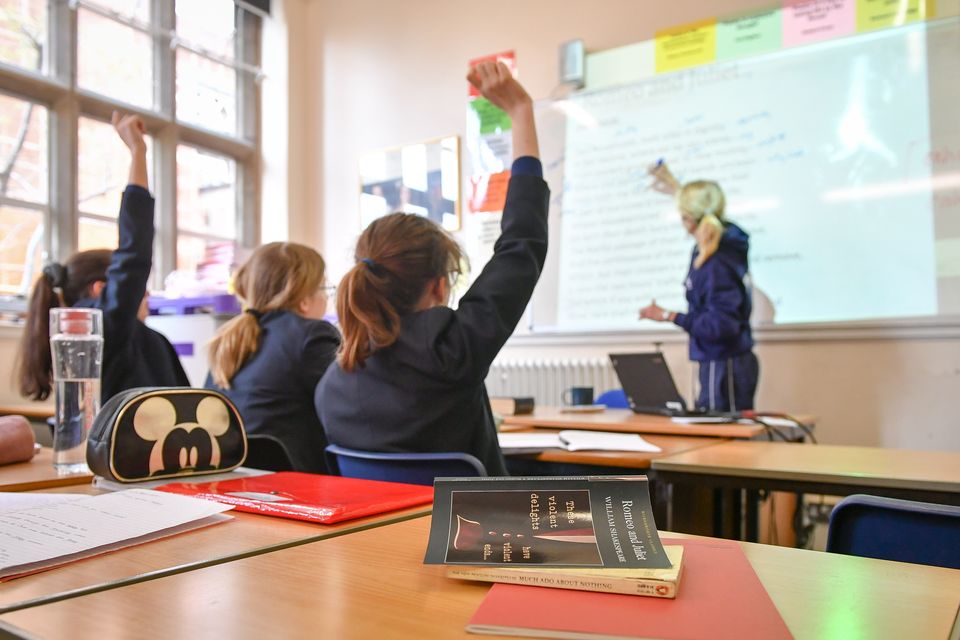
A recent report from the Economic and Social Research Institute (ESRI) highlights the urgent need for improved teacher training and a stronger focus on inclusion in Irish schools. The study reveals that despite significant progress in enhancing student well-being, many marginalized students continue to experience a diminished sense of belonging within the educational environment.
The ESRI findings emphasize that enhancing mental health literacy among educators is crucial. Teachers play a pivotal role in fostering a supportive atmosphere for all students, yet many lack the necessary training to recognize and address mental health issues effectively. The report calls for comprehensive professional development programs that equip educators with the skills to promote inclusivity and well-being.
Another critical aspect identified in the report is the necessity for schools to ensure access to external support services. Many students face challenges that extend beyond the classroom, and having readily available mental health resources can significantly impact their overall well-being. The ESRI advocates for educational policies that facilitate partnerships with external organizations specializing in mental health support.
Combating Marginalization and Promoting Diversity
The report underscores the importance of diversity and inclusion in creating supportive school environments. Students from marginalized backgrounds often report feeling isolated, which can adversely affect their academic performance and mental health. By prioritizing inclusive practices, schools can create a sense of belonging for all students, fostering a more positive and productive learning atmosphere.
According to the ESRI, schools that embrace diversity not only benefit students’ mental health but also enhance the overall educational experience. Inclusive curriculums that reflect diverse perspectives can enrich classroom discussions and promote understanding among students from different backgrounds.
The findings align with broader educational trends that recognize the importance of social-emotional learning in schools. Research indicates that students who feel connected and supported are more likely to succeed academically and socially.
Recommendations for Policy Changes
In light of these findings, the ESRI recommends several policy changes aimed at enhancing teacher training and promoting inclusivity. These include the development of standardized training programs focused on mental health literacy and the establishment of guidelines for schools to access external support services.
Moreover, the report stresses the need for ongoing evaluation of inclusivity measures within schools. Regular assessments can help identify areas for improvement and ensure that all students receive the support they need to thrive.
The ESRI’s report serves as a crucial call to action for educational stakeholders in Ireland. As schools continue to adapt to the evolving needs of their student populations, prioritizing teacher training and inclusivity will be vital in fostering a supportive and nurturing educational environment. By taking these steps, Irish schools can better combat the challenges faced by marginalized students and promote overall well-being for all.

Mother Reveals Daughter’s Meningitis Seizure After Night Out

Major Oil Spill Disrupts Traffic in Donegal on March 16, 2026

Discovering Literature: The Joys of Rejoining a Public Library

Ted Season 2 Announced: Release Date & Trailer Updates Revealed

Research Ireland and UKRI Forge New Collaboration Agreement

David McGoldrick’s Impressive Scoring Streak Sparks World Cup Talk

Plane Crash Claims Lives of Publishing Heir, Pregnant Wife, and Pilot

Oscars Snub Brigitte Bardot Sparks Controversy Over In Memoriam

Meta Plans Major Layoffs to Offset Rising AI Investment Costs

Tributes Surge for 9-Year-Old Leon Briody After Cancer Battle

Aimee Osbourne Joins Family for Emotional Tribute to Ozzy

Danny Healy-Rae Considers Complaint After Altercation with Garda

Hawaii Commemorates 80 Years Since Hiroshima Bombing with Ceremony

Ireland Enjoys Summer Heat as Hurricane Erin Approaches Atlantic

Couple Convicted of Murdering Two-Year-Old Grandson in Wales

Gaza Aid Distribution Tragedy: 20 Killed Amid Ongoing Violence

Newcastle West Woman Patricia Foley Found Safe After Urgent Search

Fianna Fáil TDs Urgently Consider Maire Geoghegan-Quinn for Presidency
-
 Top Stories10 months ago
Tributes Surge for 9-Year-Old Leon Briody After Cancer Battle
-
 Entertainment12 months ago
Aimee Osbourne Joins Family for Emotional Tribute to Ozzy
-
 Politics12 months ago
Danny Healy-Rae Considers Complaint After Altercation with Garda
-
 World12 months ago
Hawaii Commemorates 80 Years Since Hiroshima Bombing with Ceremony
-
 Top Stories11 months ago
Ireland Enjoys Summer Heat as Hurricane Erin Approaches Atlantic
-
 World12 months ago
Couple Convicted of Murdering Two-Year-Old Grandson in Wales
-
 World12 months ago
Gaza Aid Distribution Tragedy: 20 Killed Amid Ongoing Violence
-
 Top Stories10 months ago
Newcastle West Woman Patricia Foley Found Safe After Urgent Search
-
 Top Stories12 months ago
Fianna Fáil TDs Urgently Consider Maire Geoghegan-Quinn for Presidency
-

 World12 months ago
Aristocrat Constance Marten and Partner Convicted of Infant Murder
-

 Top Stories11 months ago
Climbing Errigal: A Must-Do Summer Adventure in Donegal
-

 Top Stories11 months ago
Hike Donegal’s Errigal Mountain NOW for Unforgettable Summer Views