
Lifestyle
Jewish Council Reports 143 Anti-Semitic Incidents in Ireland

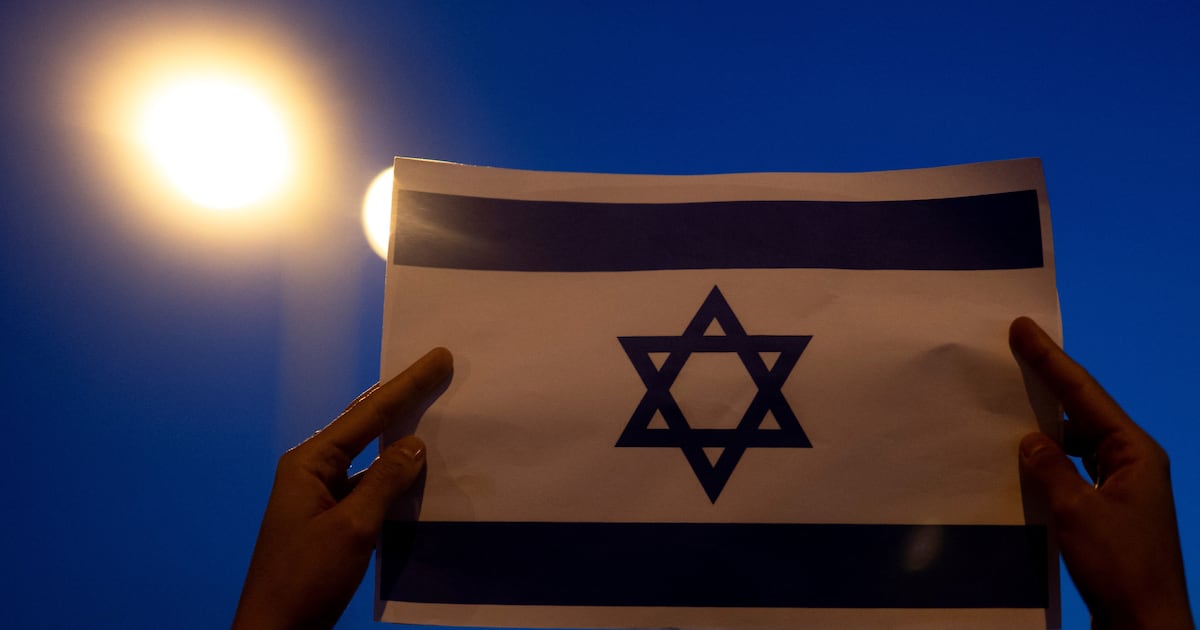
The Jewish Representative Council of Ireland (JRCI) reported a concerning total of 143 anti-Semitic incidents over a six-month period from July 17, 2025 to January 9, 2026. This data, published on Monday, reflects the experiences of the approximately 2,200 members of Ireland’s Jewish community. Notably, none of the incidents documented had been independently investigated or adjudicated, with less than a quarter of those involved having reported them to the authorities.
The report highlights that the incidents occurred both before and during the specified timeframe and have not been previously recorded. The JRCI has voiced “deep concern” regarding the findings and has called for the “rapid development of a dedicated national plan to counter growing antisemitism.” The report suggests that these incidents only represent a partial view of the reality faced by Jewish individuals in Ireland.
Incidents and Reporting Challenges
The JRCI’s findings indicate that 24 percent of the incidents were reported to authorities, suggesting a significant underreporting issue. The report states that international research consistently shows that antisemitism is often underreported due to normalisation, reporting fatigue, uncertainty about what constitutes antisemitism, and limited confidence in institutional responses. Community members confirmed that these factors also influence reporting behavior in Ireland.
Specific examples of the reported incidents include cases where individuals experienced verbal abuse and intimidation. One patient expressed fear of speaking out after encountering remarks perceived as antisemitic from healthcare staff. Another person reported ceasing to wear their Star of David at work due to ongoing harassment. Other instances involved graffiti depicting swastikas and derogatory phrases, as well as discriminatory behavior in various settings, including schools and workplaces.
In total, the report categorized incidents as follows: 52 involved verbal abuse or slurs, 47 were cases of vandalism or graffiti, 35 involved threats or intimidation, and 29 were instances of exclusion or discrimination. Additionally, 24 incidents comprised direct digital targeting, such as hate emails and unsolicited messages.
Institutional Response and Community Impact
The report noted that many incidents took place in public spaces, with significant occurrences in educational settings, hospitality, and retail environments. The JRCI detailed that 25 reports included elements of Holocaust denial, trivialisation, or antisemitic conspiracy theories, reinforcing the pervasive nature of the issue.
Maurice Cohen, chair of the JRCI, emphasized the need to recognize that hostility against Jewish individuals in Ireland cannot be justified as a response to international events. He stated that framing such behaviour as a consequence of foreign policy is a form of victim blaming. “The real question is whether people in Ireland can live free from hostility because of who they are, regardless of developments abroad,” Cohen remarked.
Cohen clarified that the JRCI’s survey documents real experiences of Jewish citizens in Ireland, indicating that the hostility they face is not a reaction to political circumstances elsewhere, but rather an expression of antisemitism that needs to be addressed.
A spokesperson for An Garda Síochána confirmed the seriousness with which they treat all hate crimes, including antisemitism. They encouraged victims to report any incidents, assuring that every reported hate crime is professionally investigated. This commitment has been particularly emphasized in light of recent events affecting Jewish communities globally. The spokesperson also noted the implementation of the Criminal Justice (Hate Offences) Act 2024, which began on December 31, 2024.
Chief Rabbi of Ireland, Yoni Wieder, highlighted that while not all Jewish people in Ireland face daily antisemitism, the frequency and nature of reported incidents cannot be dismissed as rare or isolated. “This means that for many, Jewish belonging in Ireland feels more fragile than it should,” he stated.
The findings of the JRCI report underscore the urgent need for a comprehensive approach to tackle antisemitism in Ireland, as the community grapples with the implications of these incidents on their safety and sense of belonging.

Mother Reveals Daughter’s Meningitis Seizure After Night Out

Major Oil Spill Disrupts Traffic in Donegal on March 16, 2026

Discovering Literature: The Joys of Rejoining a Public Library

Ted Season 2 Announced: Release Date & Trailer Updates Revealed

Research Ireland and UKRI Forge New Collaboration Agreement

David McGoldrick’s Impressive Scoring Streak Sparks World Cup Talk

Plane Crash Claims Lives of Publishing Heir, Pregnant Wife, and Pilot

Oscars Snub Brigitte Bardot Sparks Controversy Over In Memoriam

Meta Plans Major Layoffs to Offset Rising AI Investment Costs

Tributes Surge for 9-Year-Old Leon Briody After Cancer Battle

Aimee Osbourne Joins Family for Emotional Tribute to Ozzy

Danny Healy-Rae Considers Complaint After Altercation with Garda

Hawaii Commemorates 80 Years Since Hiroshima Bombing with Ceremony

Ireland Enjoys Summer Heat as Hurricane Erin Approaches Atlantic

Couple Convicted of Murdering Two-Year-Old Grandson in Wales

Gaza Aid Distribution Tragedy: 20 Killed Amid Ongoing Violence

Newcastle West Woman Patricia Foley Found Safe After Urgent Search

Fianna Fáil TDs Urgently Consider Maire Geoghegan-Quinn for Presidency
-
 Top Stories10 months ago
Tributes Surge for 9-Year-Old Leon Briody After Cancer Battle
-
 Entertainment11 months ago
Aimee Osbourne Joins Family for Emotional Tribute to Ozzy
-
 Politics12 months ago
Danny Healy-Rae Considers Complaint After Altercation with Garda
-
 World12 months ago
Hawaii Commemorates 80 Years Since Hiroshima Bombing with Ceremony
-
 Top Stories11 months ago
Ireland Enjoys Summer Heat as Hurricane Erin Approaches Atlantic
-
 World12 months ago
Couple Convicted of Murdering Two-Year-Old Grandson in Wales
-
 World12 months ago
Gaza Aid Distribution Tragedy: 20 Killed Amid Ongoing Violence
-
 Top Stories10 months ago
Newcastle West Woman Patricia Foley Found Safe After Urgent Search
-
 Top Stories12 months ago
Fianna Fáil TDs Urgently Consider Maire Geoghegan-Quinn for Presidency
-

 World12 months ago
Aristocrat Constance Marten and Partner Convicted of Infant Murder
-

 Top Stories11 months ago
Climbing Errigal: A Must-Do Summer Adventure in Donegal
-

 Top Stories11 months ago
Hike Donegal’s Errigal Mountain NOW for Unforgettable Summer Views