
Lifestyle
Modi Welcomes EU Trade Agreement, Celebrates Milestone in Relations

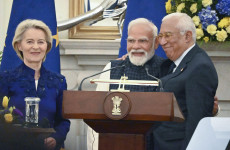
Indian Prime Minister Narendra Modi expressed enthusiasm on January 27, 2026, for the newly concluded trade agreement between India and the European Union. The Prime Minister took to social media to share his excitement, posting messages in Irish, marking a significant milestone in diplomatic relations between India and Europe.
Modi described the trade deal as a “significant milestone” in the relationship between India and the EU. In his message, he extended his gratitude to all European leaders for their collaborative spirit and commitment that made this agreement possible. He emphasized that this deal would strengthen economic ties, create new opportunities for citizens, and enhance cooperation between India and Europe for a prosperous future.
The trade agreement is expected to bolster economic connections and promote growth across both regions. Modi’s social media posts, which welcomed the agreement in several official languages of the EU, highlighted his commitment to fostering international relations.
While Modi’s gestures were well-received by many, some critics have raised concerns regarding his approach to social welfare and economic inequality in India. Supporters argue that the Prime Minister is steering India towards a balanced economic model while addressing social issues.
Despite the celebratory tone from the Indian side, there was no acknowledgment of the agreement from Ursula Von Der Leyen, the President of the European Commission, in Irish or any other language, which some observers noted as a missed opportunity for inclusiveness.
The trade agreement stands as a testament to the evolving relationship between India and the EU. Critics like Criostóir Ó Faoláin welcomed the deal, stating, “There is strength in unity.” Others, like Gearóid Ó Mórdha, praised Modi for recognizing and respecting local languages, particularly Irish, in his communications.
This agreement not only paves the way for increased trade but also symbolizes a deeper cultural connection between India and Europe. Scholars have pointed out that cultural exchanges, such as musical collaborations between Indian artists and Irish musicians, have historically strengthened ties.
In recent discussions, it has been noted that the Irish language will be utilized alongside English and French as official languages during Ireland’s presidency of the EU in the latter half of this year. This development reflects a broader commitment to linguistic diversity within the union.
Support for the Gaelic language initiative illustrates a significant cultural moment for Ireland, demonstrating the country’s dedication to preserving its linguistic heritage while promoting its usage on international platforms.
As the agreement unfolds, both India and the EU face the challenge of ensuring that the benefits of increased trade reach all layers of society, particularly the most vulnerable populations. The success of this partnership will depend on how effectively both parties address these social considerations in the years to come.
Readers are encouraged to remain engaged with further developments surrounding this critical international agreement, as its implications will likely resonate across global markets.

Mother Reveals Daughter’s Meningitis Seizure After Night Out

Major Oil Spill Disrupts Traffic in Donegal on March 16, 2026

Discovering Literature: The Joys of Rejoining a Public Library

Ted Season 2 Announced: Release Date & Trailer Updates Revealed

Research Ireland and UKRI Forge New Collaboration Agreement

David McGoldrick’s Impressive Scoring Streak Sparks World Cup Talk

Plane Crash Claims Lives of Publishing Heir, Pregnant Wife, and Pilot

Oscars Snub Brigitte Bardot Sparks Controversy Over In Memoriam

Meta Plans Major Layoffs to Offset Rising AI Investment Costs

Tributes Surge for 9-Year-Old Leon Briody After Cancer Battle

Aimee Osbourne Joins Family for Emotional Tribute to Ozzy

Danny Healy-Rae Considers Complaint After Altercation with Garda

Hawaii Commemorates 80 Years Since Hiroshima Bombing with Ceremony

Ireland Enjoys Summer Heat as Hurricane Erin Approaches Atlantic

Couple Convicted of Murdering Two-Year-Old Grandson in Wales

Newcastle West Woman Patricia Foley Found Safe After Urgent Search

Fianna Fáil TDs Urgently Consider Maire Geoghegan-Quinn for Presidency

Gaza Aid Distribution Tragedy: 20 Killed Amid Ongoing Violence
-
 Top Stories7 months ago
Tributes Surge for 9-Year-Old Leon Briody After Cancer Battle
-
 Entertainment9 months ago
Aimee Osbourne Joins Family for Emotional Tribute to Ozzy
-
 Politics9 months ago
Danny Healy-Rae Considers Complaint After Altercation with Garda
-
 World9 months ago
Hawaii Commemorates 80 Years Since Hiroshima Bombing with Ceremony
-
 Top Stories8 months ago
Ireland Enjoys Summer Heat as Hurricane Erin Approaches Atlantic
-
 World9 months ago
Couple Convicted of Murdering Two-Year-Old Grandson in Wales
-
 Top Stories7 months ago
Newcastle West Woman Patricia Foley Found Safe After Urgent Search
-
 Top Stories9 months ago
Fianna Fáil TDs Urgently Consider Maire Geoghegan-Quinn for Presidency
-
 World9 months ago
Gaza Aid Distribution Tragedy: 20 Killed Amid Ongoing Violence
-

 World9 months ago
Aristocrat Constance Marten and Partner Convicted of Infant Murder
-

 Top Stories8 months ago
Hike Donegal’s Errigal Mountain NOW for Unforgettable Summer Views
-

 Top Stories8 months ago
Climbing Errigal: A Must-Do Summer Adventure in Donegal