
Politics
Broadcasters Face Dilemma: Treating Politicians with Skepticism

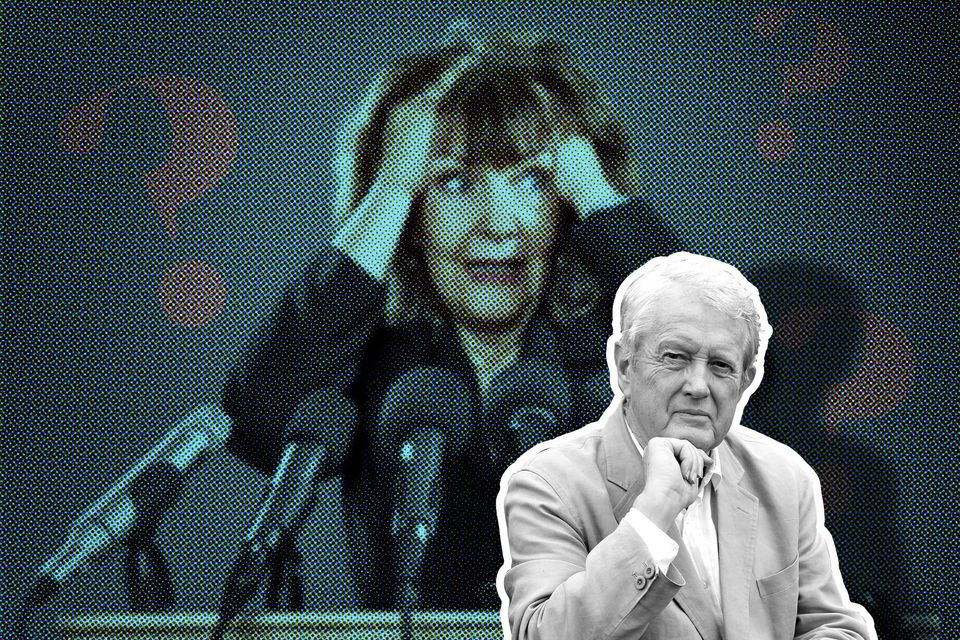
In a recent examination of media practices, Sarah Carey raised a thought-provoking question: should broadcasters regard every politician as someone who aims to deceive voters? This inquiry reflects a broader concern about media integrity and political communication, particularly in the context of electoral transparency.
Insights from Terry Prone’s Experience
One of the highlights of Carey’s holiday reading was Terry Prone’s book, I’m Glad You Asked Me That, which she describes as an engaging two-sitting read. The book delves into Prone’s extensive experience working alongside various taoisigh and senior ministers in Ireland, providing insights into the complex relationship between politicians and the media.
Carey, who has known Prone for many years, shared that her initial connection to the author began when TV3 facilitated interview training for her. It was through this training that Carey realized the depth of Prone’s involvement with influential political figures, shaping her understanding of media dynamics.
The Role of Media in Political Discourse
Carey’s reflection on Prone’s book touches on a critical issue: the responsibility of broadcasters to inform the public while ensuring fair representation of political figures. The challenge lies in balancing skepticism and trust. Broadcasters often grapple with the question of whether to approach politicians with cautious scrutiny or to provide them with a platform to communicate their messages directly.
As elections approach, this dilemma intensifies. Voters expect media outlets to act as watchdogs, scrutinizing politicians’ statements and actions to prevent misinformation. Yet, this vigilance can lead to an overarching narrative where all politicians are viewed with suspicion, potentially undermining the democratic process.
The implications of this approach are significant. If the media presents politicians as inherently deceitful, it risks alienating the electorate and fostering cynicism. Conversely, a more balanced approach could encourage informed discourse, allowing voters to make decisions based on comprehensive information rather than distrust.
In the current political landscape, where social media amplifies both voices and misinformation, the role of traditional broadcasters becomes even more critical. The public relies on these platforms to provide accurate reporting and analysis, making the stakes higher than ever.
Ultimately, the relationship between broadcasters and politicians must evolve. As Carey suggests, it is essential for media professionals to engage in self-reflection about their practices and the messages they convey. By doing so, they can better serve the public interest and contribute to a healthier political environment.

Mother Reveals Daughter’s Meningitis Seizure After Night Out

Major Oil Spill Disrupts Traffic in Donegal on March 16, 2026

Discovering Literature: The Joys of Rejoining a Public Library

Ted Season 2 Announced: Release Date & Trailer Updates Revealed

Research Ireland and UKRI Forge New Collaboration Agreement

David McGoldrick’s Impressive Scoring Streak Sparks World Cup Talk

Plane Crash Claims Lives of Publishing Heir, Pregnant Wife, and Pilot

Oscars Snub Brigitte Bardot Sparks Controversy Over In Memoriam

Meta Plans Major Layoffs to Offset Rising AI Investment Costs

Tributes Surge for 9-Year-Old Leon Briody After Cancer Battle

Aimee Osbourne Joins Family for Emotional Tribute to Ozzy

Danny Healy-Rae Considers Complaint After Altercation with Garda

Hawaii Commemorates 80 Years Since Hiroshima Bombing with Ceremony

Ireland Enjoys Summer Heat as Hurricane Erin Approaches Atlantic

Couple Convicted of Murdering Two-Year-Old Grandson in Wales

Newcastle West Woman Patricia Foley Found Safe After Urgent Search

Fianna Fáil TDs Urgently Consider Maire Geoghegan-Quinn for Presidency

Gaza Aid Distribution Tragedy: 20 Killed Amid Ongoing Violence
-
 Top Stories7 months ago
Tributes Surge for 9-Year-Old Leon Briody After Cancer Battle
-
 Entertainment9 months ago
Aimee Osbourne Joins Family for Emotional Tribute to Ozzy
-
 Politics9 months ago
Danny Healy-Rae Considers Complaint After Altercation with Garda
-
 World9 months ago
Hawaii Commemorates 80 Years Since Hiroshima Bombing with Ceremony
-
 Top Stories8 months ago
Ireland Enjoys Summer Heat as Hurricane Erin Approaches Atlantic
-
 World9 months ago
Couple Convicted of Murdering Two-Year-Old Grandson in Wales
-
 Top Stories7 months ago
Newcastle West Woman Patricia Foley Found Safe After Urgent Search
-
 Top Stories9 months ago
Fianna Fáil TDs Urgently Consider Maire Geoghegan-Quinn for Presidency
-
 World9 months ago
Gaza Aid Distribution Tragedy: 20 Killed Amid Ongoing Violence
-

 World9 months ago
Aristocrat Constance Marten and Partner Convicted of Infant Murder
-

 Top Stories8 months ago
Hike Donegal’s Errigal Mountain NOW for Unforgettable Summer Views
-

 Top Stories8 months ago
Climbing Errigal: A Must-Do Summer Adventure in Donegal