
Politics
Can Artificial Intelligence Compose Irish Poetry? A New Inquiry

The question of whether artificial intelligence can be used to create poetry in the Irish language is at the forefront of a cultural inquiry initiated by the Dáimh Scoil Mhúscraí. This annual poetry event, scheduled for December 28 at Áras Éamon Mac Suibhne in Cúil Aodha, Cork Gaeltacht, aims to explore the intersection of technology and traditional Irish literature.
Concubhar Ó Liatháin, the clerk of the Dáimh Scoil, introduced this year’s theme, prompted by the growing presence of artificial intelligence in creative fields. The inquiry asks whether modern AI tools can generate poetry that captures the essence of the Irish language. The event marks a significant return, reviving a tradition that nearly vanished for almost a century before its recent resurgence.
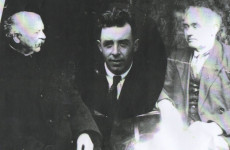
The Dáimh Scoil has historical roots dating back to December 26, 1925, when three friends—Pádraig Ó Cruadhlaoich, Dómhnall Ó Ceocháin, and Pádraig Mac Suibhne—came together to establish the original poetry school. This gathering has evolved into a cherished community event, attracting participants from various corners of the Muskerry region.
In the spirit of this inquiry, participants will engage in a unique exchange. The president of the Dáimh Scoil will present a written invitation in verse form, prompting poets to respond in kind. This year, Sean Óg Ó Duinnín, a local school principal and accomplished composer, will serve as the president for the first time. His involvement underscores a personal legacy; his father, Sean, was a frequent participant at the Dáimh Scoil until his passing in 2009.
The event’s format remains true to its roots. There will be no competition or judging, allowing poets to share their work freely. Instead, the focus is on community enjoyment, with participants exchanging verses and appreciating each other’s creativity. The atmosphere is informal, fostering camaraderie among poets and attendees alike.
Historically, the Dáimh Scoil has been a significant cultural gathering. In the mid-20th century, the event attracted hundreds, serving as a platform for poets to showcase their talents. Notably, the song “An Poc Ar Buile” gained prominence through performances at the Dáimh Scoil in the 1940s, further establishing its cultural significance.
As the inquiry into AI-generated poetry unfolds, the question arises: Can artificial intelligence truly grasp the nuances of the Irish language and its poetic forms? Participants will explore the potential of AI tools to assist in the creative process while reflecting on the essence of human expression in poetry.
The tradition of poetry remains vibrant in Muskerry, blending the old with the new. Upcoming events from the Dáimh Scoil will be broadcast on RTÉ Raidió na Gaeltachta early in the new year, ensuring wide access to this cultural exploration.
As the Dáimh Scoil continues to adapt and evolve, it stands at a crossroads, balancing tradition with innovation. The discussions generated by this year’s theme will likely resonate throughout the community, prompting further dialogue on the role of technology in the arts.

Mother Reveals Daughter’s Meningitis Seizure After Night Out

Major Oil Spill Disrupts Traffic in Donegal on March 16, 2026

Discovering Literature: The Joys of Rejoining a Public Library

Ted Season 2 Announced: Release Date & Trailer Updates Revealed

Research Ireland and UKRI Forge New Collaboration Agreement

David McGoldrick’s Impressive Scoring Streak Sparks World Cup Talk

Plane Crash Claims Lives of Publishing Heir, Pregnant Wife, and Pilot

Oscars Snub Brigitte Bardot Sparks Controversy Over In Memoriam

Meta Plans Major Layoffs to Offset Rising AI Investment Costs

Tributes Surge for 9-Year-Old Leon Briody After Cancer Battle

Aimee Osbourne Joins Family for Emotional Tribute to Ozzy

Danny Healy-Rae Considers Complaint After Altercation with Garda

Hawaii Commemorates 80 Years Since Hiroshima Bombing with Ceremony

Ireland Enjoys Summer Heat as Hurricane Erin Approaches Atlantic

Couple Convicted of Murdering Two-Year-Old Grandson in Wales

Gaza Aid Distribution Tragedy: 20 Killed Amid Ongoing Violence

Newcastle West Woman Patricia Foley Found Safe After Urgent Search

Fianna Fáil TDs Urgently Consider Maire Geoghegan-Quinn for Presidency
-
 Top Stories10 months ago
Tributes Surge for 9-Year-Old Leon Briody After Cancer Battle
-
 Entertainment12 months ago
Aimee Osbourne Joins Family for Emotional Tribute to Ozzy
-
 Politics12 months ago
Danny Healy-Rae Considers Complaint After Altercation with Garda
-
 World12 months ago
Hawaii Commemorates 80 Years Since Hiroshima Bombing with Ceremony
-
 Top Stories11 months ago
Ireland Enjoys Summer Heat as Hurricane Erin Approaches Atlantic
-
 World12 months ago
Couple Convicted of Murdering Two-Year-Old Grandson in Wales
-
 World12 months ago
Gaza Aid Distribution Tragedy: 20 Killed Amid Ongoing Violence
-
 Top Stories10 months ago
Newcastle West Woman Patricia Foley Found Safe After Urgent Search
-
 Top Stories12 months ago
Fianna Fáil TDs Urgently Consider Maire Geoghegan-Quinn for Presidency
-

 World12 months ago
Aristocrat Constance Marten and Partner Convicted of Infant Murder
-

 Top Stories11 months ago
Climbing Errigal: A Must-Do Summer Adventure in Donegal
-

 Top Stories11 months ago
Hike Donegal’s Errigal Mountain NOW for Unforgettable Summer Views