
Politics
Cork’s Architectural Legacy Celebrated in New Publication

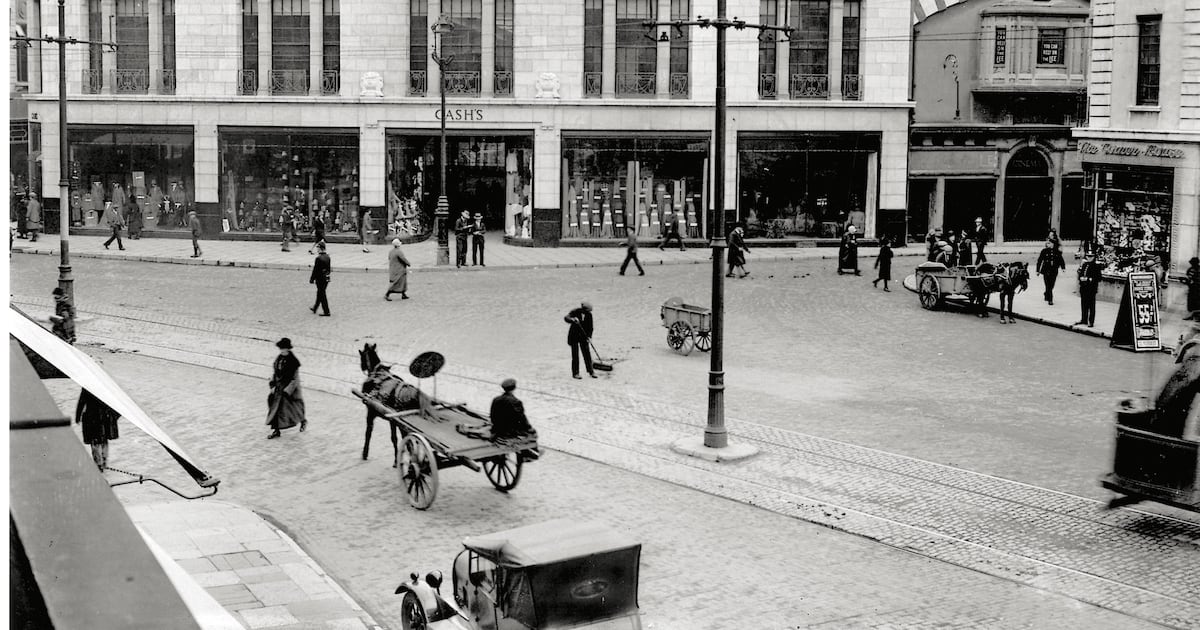
A new publication titled The Hill Architects: A Cork Architectural Dynasty, 1827-1951 has shed light on a significant yet often overlooked aspect of Cork’s architectural heritage. Authored by historian Dagmar Ó Riain-Raedel and retired farmer and art collector Richard Wood, the book chronicles the contributions of three generations of the Hill family to the city’s built environment.
The narrative begins in the latter part of the 19th century, specifically around 1873-74, when the Improved Dwellings Company constructed 55 houses in the Barrack Street area. This neighbourhood, now popular among students and older working-class residents, was initially resistant to certain societal elements. The company’s minutes from 1882 reveal a commitment to improving living conditions, stating, “A more beneficial work than the housing effort has never been undertaken.” The residents were determined to avoid individuals with drinking problems, indicating a strong community ethos focused on respectability and improvement.
The launch of the book took place at Ballymaloe House, a fitting venue since its former head chef and co-owner, Myrtle Allen, is the daughter of Henry Houghton Hill, one of the architects in the dynasty. The architectural drawings, which had been preserved in various locations, were finally showcased during Cork’s tenure as European Capital of Culture in 2005. Allen, who regretted not pursuing architecture, played a pivotal role in bringing attention to her family’s architectural legacy.
Architectural Contributions and Community Impact
The Hill family’s work included a variety of buildings, from residential homes to institutional structures, churches, and banks. Despite their numerous contributions, they often faced challenges in securing major commissions against competing architectural firms. Had they been awarded the commission for Queen’s College (now University College Cork), their legacy might have been more prominent alongside notable architects like James and George R. Pain and the Deane family.
Nonetheless, the Hills made notable contributions to Cork’s architecture. For instance, Arthur Hill designed the extension to the Crawford Art Gallery and played a significant role in the city’s cultural and commercial affairs. He was among the key figures behind the Cork International Exhibition in 1902 and was involved in establishing the city’s first library, the Carnegie Library, which has since been dismantled.
One of Cork’s most iconic buildings, Our Lady’s Hospital, originally known as the Cork District Lunatic Asylum, was designed by William Atkins. Following a dispute between Atkins and the board of works, William Henry Hill I was appointed as the new supervising architect in 1876. Hill introduced red brick elements to the structure, creating a striking visual contrast to Atkins’s grey Gothic design. This decision likely reflected Hill’s desire to assert a distinct architectural identity.
A Legacy Rescued from Anonymity
The book aims to rescue the legacy of the Hill architects from the “possibility of anonymity.” Despite their substantial contributions, many residents of Cork are unfamiliar with the names of the city’s modern architects. The narrative highlights the importance of the Hill family in shaping Cork’s architectural landscape, emphasizing their commitment to quality and community-focused design.
As Richard Wood notes, Dagmar Ó Riain-Raedel dedicated two decades to researching the Hill family’s history, driven by a fascination with the architectural drawings entrusted to her by Allen. This effort has culminated in a publication that not only celebrates the family’s achievements but also brings to light the importance of local architects in the broader context of Cork’s development.
In a city where architectural history is often overshadowed, The Hill Architects serves as both a tribute and a call to recognize the impact of local talent on the urban fabric. This publication not only preserves the legacy of the Hill family but also inspires future generations to appreciate and engage with Cork’s rich architectural heritage.

Mother Reveals Daughter’s Meningitis Seizure After Night Out

Major Oil Spill Disrupts Traffic in Donegal on March 16, 2026

Discovering Literature: The Joys of Rejoining a Public Library

Ted Season 2 Announced: Release Date & Trailer Updates Revealed

Research Ireland and UKRI Forge New Collaboration Agreement

David McGoldrick’s Impressive Scoring Streak Sparks World Cup Talk

Plane Crash Claims Lives of Publishing Heir, Pregnant Wife, and Pilot

Oscars Snub Brigitte Bardot Sparks Controversy Over In Memoriam

Meta Plans Major Layoffs to Offset Rising AI Investment Costs

Tributes Surge for 9-Year-Old Leon Briody After Cancer Battle

Aimee Osbourne Joins Family for Emotional Tribute to Ozzy

Danny Healy-Rae Considers Complaint After Altercation with Garda

Hawaii Commemorates 80 Years Since Hiroshima Bombing with Ceremony

Ireland Enjoys Summer Heat as Hurricane Erin Approaches Atlantic

Couple Convicted of Murdering Two-Year-Old Grandson in Wales

Gaza Aid Distribution Tragedy: 20 Killed Amid Ongoing Violence

Newcastle West Woman Patricia Foley Found Safe After Urgent Search

Fianna Fáil TDs Urgently Consider Maire Geoghegan-Quinn for Presidency
-
 Top Stories10 months ago
Tributes Surge for 9-Year-Old Leon Briody After Cancer Battle
-
 Entertainment12 months ago
Aimee Osbourne Joins Family for Emotional Tribute to Ozzy
-
 Politics12 months ago
Danny Healy-Rae Considers Complaint After Altercation with Garda
-
 World12 months ago
Hawaii Commemorates 80 Years Since Hiroshima Bombing with Ceremony
-
 Top Stories11 months ago
Ireland Enjoys Summer Heat as Hurricane Erin Approaches Atlantic
-
 World12 months ago
Couple Convicted of Murdering Two-Year-Old Grandson in Wales
-
 World12 months ago
Gaza Aid Distribution Tragedy: 20 Killed Amid Ongoing Violence
-
 Top Stories10 months ago
Newcastle West Woman Patricia Foley Found Safe After Urgent Search
-
 Top Stories12 months ago
Fianna Fáil TDs Urgently Consider Maire Geoghegan-Quinn for Presidency
-

 World12 months ago
Aristocrat Constance Marten and Partner Convicted of Infant Murder
-

 Top Stories11 months ago
Climbing Errigal: A Must-Do Summer Adventure in Donegal
-

 Top Stories11 months ago
Hike Donegal’s Errigal Mountain NOW for Unforgettable Summer Views