
Politics
Cuba Engages in Talks with US Amid Energy Crisis and Prisoner Release

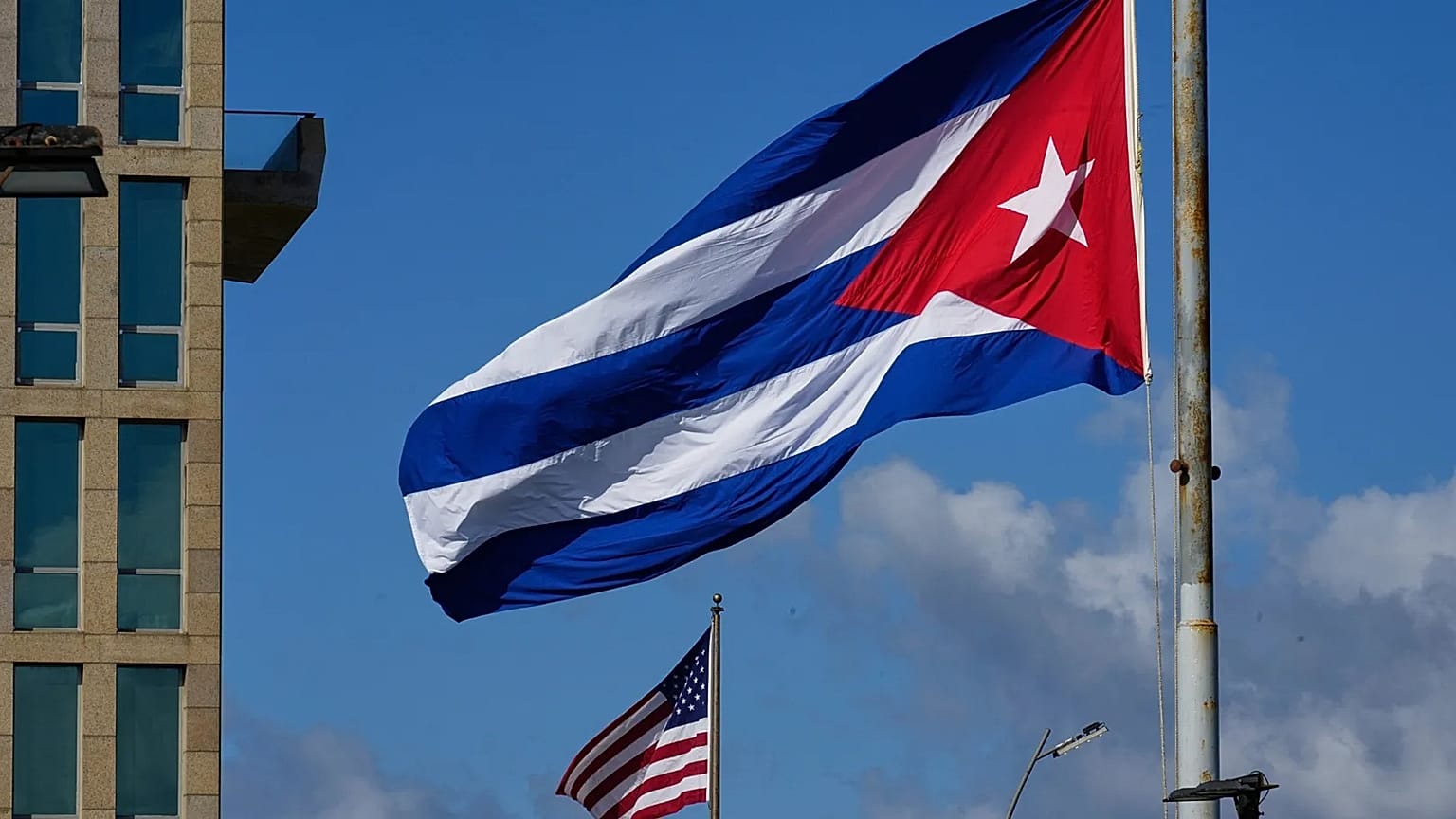
Cuba has confirmed recent discussions with the United States as it grapples with a severe energy crisis that has led to widespread blackouts. President Miguel Díaz-Canel disclosed on Friday that these talks aim to address bilateral differences between the two nations, marking the first official acknowledgment of communications from the Cuban government. This announcement follows a significant decision to release 51 prisoners, which Cuba described as a gesture of goodwill.
The context for these diplomatic engagements is Cuba’s ongoing energy crisis, characterized by critical fuel shortages and extensive power outages affecting millions across the island. In his remarks, Díaz-Canel highlighted the dire situation, attributing the energy shortages to what he termed a U.S. “energy blockade.” He stated that no oil shipments have reached Cuba in over three months, exacerbating the challenges faced by the population.
The impact of these energy shortages is profound, leading to disruptions in essential services such as transportation, communications, and healthcare. Díaz-Canel acknowledged that thousands of surgeries have been postponed due to the crisis, saying, “The impact is tremendous.” He underscored the necessity of dialogue to explore solutions and to gauge the willingness of both nations to undertake concrete actions that could benefit their citizens.
Prisoner Release as a Gesture of Goodwill
On the same day, the Cuban government announced its intention to release 51 prisoners, a decision attributed to improved relations with the Vatican. The foreign ministry indicated that this measure reflects a spirit of goodwill, though it did not specify the identities of those to be released. The statement emphasized that all individuals have served a significant portion of their sentences and exhibited good behavior while incarcerated.
While the government did not clarify whether political prisoners would be among those released, advocacy groups have raised concerns about the status of political detainees in Cuba. According to estimates from Prisoners Defenders, there were over 1,200 political prisoners in Cuba at the start of 2026, illustrating the ongoing human rights challenges within the country.
As the Cuban government navigates these complex issues, the discussions with the United States may pave the way for potential cooperation, albeit framed by a commitment to respect Cuban sovereignty. Díaz-Canel’s comments reflect a cautious optimism about the future of U.S.-Cuba relations, focusing on dialogue as a means to resolve longstanding disputes.
In summary, the recent engagements between Cuba and the United States come at a critical time for the island, facing a humanitarian crisis and ongoing political challenges. The ability of both nations to find common ground may significantly impact the lives of millions in Cuba and the nature of their bilateral relationship moving forward.

Mother Reveals Daughter’s Meningitis Seizure After Night Out

Major Oil Spill Disrupts Traffic in Donegal on March 16, 2026

Discovering Literature: The Joys of Rejoining a Public Library

Ted Season 2 Announced: Release Date & Trailer Updates Revealed

Research Ireland and UKRI Forge New Collaboration Agreement

David McGoldrick’s Impressive Scoring Streak Sparks World Cup Talk

Plane Crash Claims Lives of Publishing Heir, Pregnant Wife, and Pilot

Oscars Snub Brigitte Bardot Sparks Controversy Over In Memoriam

Meta Plans Major Layoffs to Offset Rising AI Investment Costs

Tributes Surge for 9-Year-Old Leon Briody After Cancer Battle

Aimee Osbourne Joins Family for Emotional Tribute to Ozzy

Danny Healy-Rae Considers Complaint After Altercation with Garda

Hawaii Commemorates 80 Years Since Hiroshima Bombing with Ceremony

Ireland Enjoys Summer Heat as Hurricane Erin Approaches Atlantic

Couple Convicted of Murdering Two-Year-Old Grandson in Wales

Gaza Aid Distribution Tragedy: 20 Killed Amid Ongoing Violence

Newcastle West Woman Patricia Foley Found Safe After Urgent Search

Fianna Fáil TDs Urgently Consider Maire Geoghegan-Quinn for Presidency
-
 Top Stories11 months ago
Tributes Surge for 9-Year-Old Leon Briody After Cancer Battle
-
 Entertainment1 year ago
Aimee Osbourne Joins Family for Emotional Tribute to Ozzy
-
 Politics1 year ago
Danny Healy-Rae Considers Complaint After Altercation with Garda
-
 World1 year ago
Hawaii Commemorates 80 Years Since Hiroshima Bombing with Ceremony
-
 Top Stories12 months ago
Ireland Enjoys Summer Heat as Hurricane Erin Approaches Atlantic
-
 World1 year ago
Couple Convicted of Murdering Two-Year-Old Grandson in Wales
-
 World1 year ago
Gaza Aid Distribution Tragedy: 20 Killed Amid Ongoing Violence
-
 Top Stories11 months ago
Newcastle West Woman Patricia Foley Found Safe After Urgent Search
-
 Top Stories1 year ago
Fianna Fáil TDs Urgently Consider Maire Geoghegan-Quinn for Presidency
-

 World1 year ago
Aristocrat Constance Marten and Partner Convicted of Infant Murder
-

 Top Stories12 months ago
Climbing Errigal: A Must-Do Summer Adventure in Donegal
-

 Top Stories12 months ago
Hike Donegal’s Errigal Mountain NOW for Unforgettable Summer Views