
Politics
EU Indefinitely Freezes €210 Billion of Russian Central Bank Assets

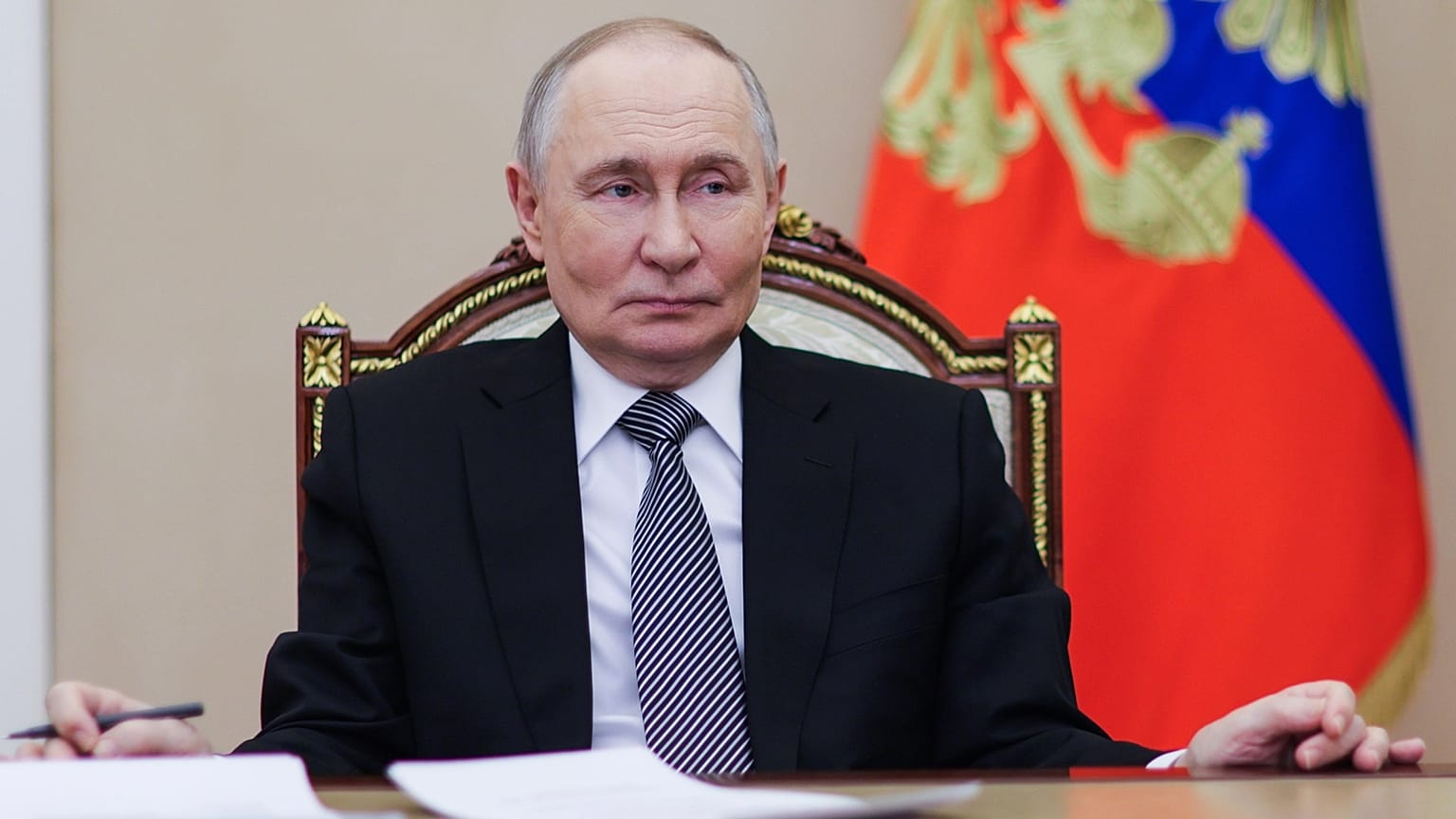
The European Union has decided to indefinitely immobilise assets belonging to the Russian Central Bank, a move that secures approximately €210 billion in funds until specific conditions are met regarding reparations to Ukraine. This decision, reached on December 14, 2023, aims to counteract external pressures to release the assets before Russia is held accountable for the ongoing war, particularly in light of an upcoming critical summit on December 18.
The immobilisation of these assets was formalised under Article 122 of the EU treaties, which allows for action without the need for unanimous consent from all member states. This article has previously been invoked during significant economic crises, including the COVID-19 pandemic. The move reflects the EU’s intention to prevent any potential transfer of funds back to Russia, especially amid concerns that the United States may seek control of these frozen assets for future negotiations with Moscow.
The vast majority of the immobilised funds, approximately €185 billion, are held at Euroclear, a central securities depositary located in Brussels, while the remaining €25 billion is deposited in various private banks across Europe. These funds had previously been frozen under a standard sanctions regime, which required unanimous agreement among the EU’s 27 member states. The shift to Article 122 allows for a more robust and sustained immobilisation, removing vulnerabilities to individual vetoes.
This decision comes as the European Commission has argued that the economic repercussions of Russia’s invasion of Ukraine have significantly impacted the EU, resulting in “serious supply disruptions, higher uncertainty, and increased risk premia.” In its proposal, the Commission stated, “Preventing the transfer of funds to Russia is urgently required to limit the damage to the Union’s economy.” The funds will remain immobilised until Russia’s actions no longer pose a substantial risk to the European economy and reparations to Ukraine are paid without financial repercussions for the EU.
Negotiations and Political Challenges Ahead
As discussions continue in the lead-up to the pivotal summit, the EU faces internal challenges, particularly from Belgium. Belgian Prime Minister Bart De Wever has expressed reservations regarding the legal justification for immobilising Russian assets, questioning whether the situation constitutes an economic emergency. He asserted, “This is money from a country with which we are not at war,” likening the act to “breaking into an embassy, taking out all the furniture, and selling it.”
Belgium’s concerns are compounded by the need for a comprehensive solution to address the risks associated with the proposed reparations loan to Ukraine, which Belgium has staunchly opposed unless specific conditions are met. These include full mutualisation of risks among member states, liquidity safeguards for Euroclear, and complete burden-sharing regarding the immobilised assets.
Despite these reservations, the European Commission maintains that the legal grounds for invoking Article 122 are sound, arguing that the war has indeed disrupted the European economy significantly. A spokesperson stated, “If you look at how the situation would be without the war, you would certainly see a more prosperous economic situation in Europe.”
Implications for Future EU Actions
The implications of this decision extend beyond immediate financial concerns. By maintaining control over the Russian assets, the EU is positioning itself to resist external pressures, particularly from negotiations involving the United States, which has hinted at using frozen assets in a potential settlement with Russia. Last month, reports surfaced suggesting that the Trump administration and the Kremlin had discussed leveraging these assets for mutual benefit, an idea that has been met with strong opposition from Western allies.
With Belgium’s reservations still unresolved, the EU may face significant challenges in moving forward with the reparations loan. Should Belgium decide to legally challenge any decision perceived as inconsistent with legality, it could complicate efforts to raise the necessary funds for Ukraine’s budgetary and military support, estimated at €90 billion for 2026 and 2027. Diplomats acknowledge that overriding Belgium’s position to approve the loan with a qualified majority could prove politically untenable.
As the EU continues to navigate these complex negotiations, the outcome of the December 18 summit will be critical in determining both the future of the immobilised Russian assets and the financial support provided to Ukraine. The coming days will require careful deliberation among member states to ensure a cohesive and effective response to the ongoing crisis.

Mother Reveals Daughter’s Meningitis Seizure After Night Out

Major Oil Spill Disrupts Traffic in Donegal on March 16, 2026

Discovering Literature: The Joys of Rejoining a Public Library

Ted Season 2 Announced: Release Date & Trailer Updates Revealed

Research Ireland and UKRI Forge New Collaboration Agreement

David McGoldrick’s Impressive Scoring Streak Sparks World Cup Talk

Plane Crash Claims Lives of Publishing Heir, Pregnant Wife, and Pilot

Oscars Snub Brigitte Bardot Sparks Controversy Over In Memoriam

Meta Plans Major Layoffs to Offset Rising AI Investment Costs

Tributes Surge for 9-Year-Old Leon Briody After Cancer Battle

Aimee Osbourne Joins Family for Emotional Tribute to Ozzy

Danny Healy-Rae Considers Complaint After Altercation with Garda

Hawaii Commemorates 80 Years Since Hiroshima Bombing with Ceremony

Ireland Enjoys Summer Heat as Hurricane Erin Approaches Atlantic

Couple Convicted of Murdering Two-Year-Old Grandson in Wales

Gaza Aid Distribution Tragedy: 20 Killed Amid Ongoing Violence

Newcastle West Woman Patricia Foley Found Safe After Urgent Search

Fianna Fáil TDs Urgently Consider Maire Geoghegan-Quinn for Presidency
-
 Top Stories10 months ago
Tributes Surge for 9-Year-Old Leon Briody After Cancer Battle
-
 Entertainment12 months ago
Aimee Osbourne Joins Family for Emotional Tribute to Ozzy
-
 Politics12 months ago
Danny Healy-Rae Considers Complaint After Altercation with Garda
-
 World12 months ago
Hawaii Commemorates 80 Years Since Hiroshima Bombing with Ceremony
-
 Top Stories11 months ago
Ireland Enjoys Summer Heat as Hurricane Erin Approaches Atlantic
-
 World12 months ago
Couple Convicted of Murdering Two-Year-Old Grandson in Wales
-
 World12 months ago
Gaza Aid Distribution Tragedy: 20 Killed Amid Ongoing Violence
-
 Top Stories10 months ago
Newcastle West Woman Patricia Foley Found Safe After Urgent Search
-
 Top Stories12 months ago
Fianna Fáil TDs Urgently Consider Maire Geoghegan-Quinn for Presidency
-

 World12 months ago
Aristocrat Constance Marten and Partner Convicted of Infant Murder
-

 Top Stories11 months ago
Climbing Errigal: A Must-Do Summer Adventure in Donegal
-

 Top Stories11 months ago
Hike Donegal’s Errigal Mountain NOW for Unforgettable Summer Views