
Politics
EU Sets Fishing Quotas for 2026 After Lengthy Negotiations

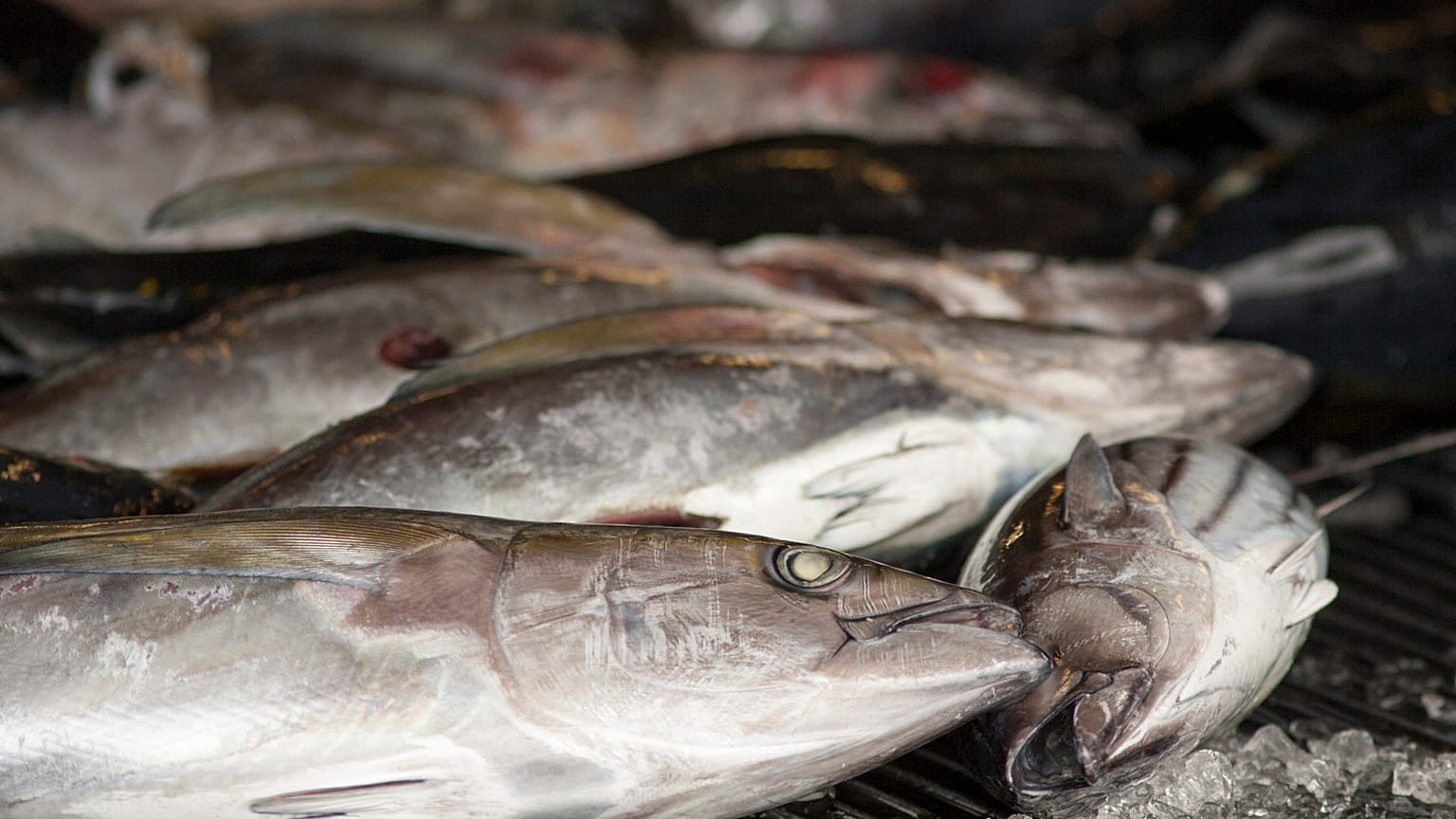
The European Union has finalized its fishing quotas for 2026 following two days of intense negotiations among fisheries ministers. The agreement, reached during a meeting of the EU Council of Agriculture and Fisheries Ministers, establishes catch limits and fishing efforts that govern critical commercial stocks across the Atlantic, North Sea, Mediterranean, and Black Sea.
The quotas reflect a balance between scientific recommendations and the economic viability of the fishing sector. Danish Fisheries Minister Jacob Jensen emphasized the importance of the agreement, stating it “gives fishermen certainty about their fishing possibilities for 2026” and aims to create “the best possible conditions for a sustainable fisheries sector in the future.”
Key Changes in Quotas
The EU manages a total of 24 total allowable catches (TACs) in the Atlantic and North Sea. Notable increases in quotas include a 12% rise for megrim in waters south of the Bay of Biscay and a significant 54% increase for Norway lobster in the same region. Conversely, permitted catches for several species have seen reductions.
The quotas for standard sole have decreased by 45% in the Kattegat and the Baltic Sea, while horse mackerel in Portuguese waters will experience a 5% reduction. Other reductions include pollack, down 13%, and monkfish, which is reduced by 1%.
Mackerel presents a unique situation; provisional quotas for the first half of the year have been set with a drastic 70% reduction. This adjustment is contingent on the conclusion of ongoing consultations among North-East Atlantic coastal countries.
In the Western Mediterranean, the fishing effort level for trawlers will remain unchanged for 2025, along with established limits for blue and red shrimp. Meanwhile, turbot populations in the Black Sea have slightly decreased compared to last year.
This agreement represents a significant step towards ensuring the sustainability of European fisheries while also maintaining economic stability for those in the industry. The outcomes of these negotiations will affect fishing communities and ecosystems across the continent.

Mother Reveals Daughter’s Meningitis Seizure After Night Out

Major Oil Spill Disrupts Traffic in Donegal on March 16, 2026

Discovering Literature: The Joys of Rejoining a Public Library

Ted Season 2 Announced: Release Date & Trailer Updates Revealed

Research Ireland and UKRI Forge New Collaboration Agreement

David McGoldrick’s Impressive Scoring Streak Sparks World Cup Talk

Plane Crash Claims Lives of Publishing Heir, Pregnant Wife, and Pilot

Oscars Snub Brigitte Bardot Sparks Controversy Over In Memoriam

Meta Plans Major Layoffs to Offset Rising AI Investment Costs

Tributes Surge for 9-Year-Old Leon Briody After Cancer Battle

Aimee Osbourne Joins Family for Emotional Tribute to Ozzy

Danny Healy-Rae Considers Complaint After Altercation with Garda

Hawaii Commemorates 80 Years Since Hiroshima Bombing with Ceremony

Ireland Enjoys Summer Heat as Hurricane Erin Approaches Atlantic

Couple Convicted of Murdering Two-Year-Old Grandson in Wales

Gaza Aid Distribution Tragedy: 20 Killed Amid Ongoing Violence

Newcastle West Woman Patricia Foley Found Safe After Urgent Search

Fianna Fáil TDs Urgently Consider Maire Geoghegan-Quinn for Presidency
-
 Top Stories10 months ago
Tributes Surge for 9-Year-Old Leon Briody After Cancer Battle
-
 Entertainment12 months ago
Aimee Osbourne Joins Family for Emotional Tribute to Ozzy
-
 Politics12 months ago
Danny Healy-Rae Considers Complaint After Altercation with Garda
-
 World12 months ago
Hawaii Commemorates 80 Years Since Hiroshima Bombing with Ceremony
-
 Top Stories11 months ago
Ireland Enjoys Summer Heat as Hurricane Erin Approaches Atlantic
-
 World12 months ago
Couple Convicted of Murdering Two-Year-Old Grandson in Wales
-
 World12 months ago
Gaza Aid Distribution Tragedy: 20 Killed Amid Ongoing Violence
-
 Top Stories10 months ago
Newcastle West Woman Patricia Foley Found Safe After Urgent Search
-
 Top Stories12 months ago
Fianna Fáil TDs Urgently Consider Maire Geoghegan-Quinn for Presidency
-

 World12 months ago
Aristocrat Constance Marten and Partner Convicted of Infant Murder
-

 Top Stories11 months ago
Climbing Errigal: A Must-Do Summer Adventure in Donegal
-

 Top Stories11 months ago
Hike Donegal’s Errigal Mountain NOW for Unforgettable Summer Views