
Politics
EU Summit Results: Leaders Shift to Joint Debt for Ukraine Funding

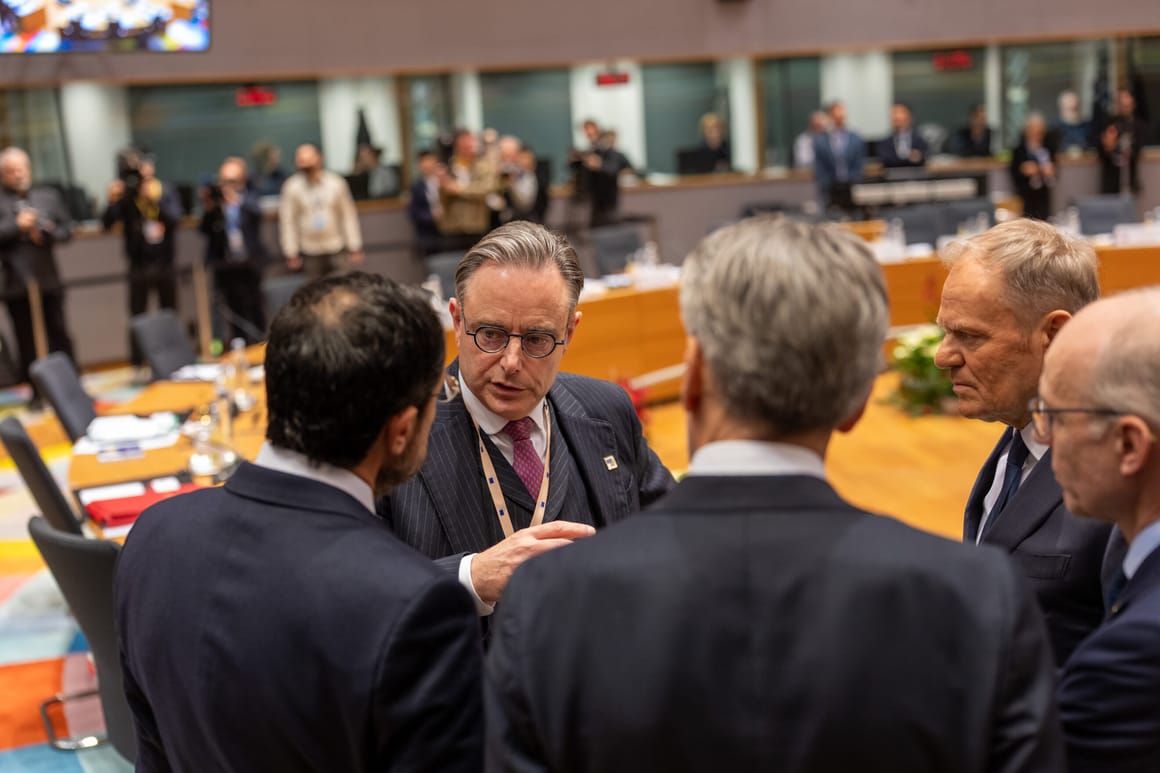
In a significant turn of events, European leaders reached a pivotal agreement during a summit in Brussels, deciding to fund Ukraine’s war efforts through EU joint debt. This decision came despite resistance from three member states, marking a departure from the initial plan to utilize frozen Russian assets for financial support. The summit’s outcome highlights a complex landscape of political maneuvering, revealing both winners and losers in this crucial moment for Europe.
Key Players and Their Strategies
Belgian Prime Minister Bart De Wever emerged as a notable figure at the summit, staunchly opposing the use of frozen Russian assets. Throughout the day, he stood alone in his resistance until other leaders, including those from Italy, began to express reservations about the proposal. De Wever’s strategy involved demanding “uncapped” support from fellow EU countries, a request that ultimately proved too ambitious, leading to the acceptance of joint borrowing as the only feasible alternative.
Italian Prime Minister Giorgia Meloni played a crucial role during the negotiations, timing her intervention strategically. After observing the discussions from the sidelines, she stepped in at a critical juncture, effectively influencing the outcome without initially taking the floor. Her actions demonstrated a keen ability to navigate the complexities of EU politics, ultimately securing a deal that aligned with her interests.
Meanwhile, António Costa, the Prime Minister of Portugal, succeeded in wrapping up the summit in a single day, defying expectations that discussions would extend into the weekend. Costa maintained a neutral position throughout the negotiations, facilitating a swift agreement without committing to any specific plan. His approach exemplified effective leadership amid challenging circumstances.
Outcomes and Implications
The summit’s results were mixed, with notable ramifications for various leaders involved. Ukrainian President Volodymyr Zelenskyy secured much-needed funding, aligning with Europe’s promise to support Ukraine in its ongoing conflict. In contrast, Russian President Vladimir Putin benefited indirectly, as the decision to forgo using frozen assets means they remain intact for potential future negotiations.
On the other hand, the summit was less favorable for German Chancellor Friedrich Merz, who faced significant setbacks. Merz’s push for utilizing frozen Russian assets collapsed, and the postponement of the EU-Mercosur trade deal added to his woes. His efforts to rally support for a plan that required unanimous agreement highlighted the challenges of securing a cohesive stance among member states.
Commission President Ursula von der Leyen also experienced a setback, as her earlier opposition to joint borrowing ultimately did not prevent its acceptance. Despite her team’s preparations for alternative options, the shift in momentum left her unable to claim credit for the final agreement.
The outcomes of the summit also highlighted divisions within the European Union. The reluctance of Hungary, Slovakia, and Czechia to commit financially to Ukraine’s efforts may yield short-term benefits but could also isolate them within the bloc. The long-term implications of this decision remain uncertain, as tensions may rise between these countries and their EU counterparts.
As European leaders navigate the complexities of support for Ukraine, the results from this summit underscore the ongoing balancing act of diplomacy, national interests, and collective action. The shift towards joint debt financing may offer a temporary solution, but it also reveals the fractures within the EU that could impact future collaborations.

Mother Reveals Daughter’s Meningitis Seizure After Night Out

Major Oil Spill Disrupts Traffic in Donegal on March 16, 2026

Discovering Literature: The Joys of Rejoining a Public Library

Ted Season 2 Announced: Release Date & Trailer Updates Revealed

Research Ireland and UKRI Forge New Collaboration Agreement

David McGoldrick’s Impressive Scoring Streak Sparks World Cup Talk

Plane Crash Claims Lives of Publishing Heir, Pregnant Wife, and Pilot

Oscars Snub Brigitte Bardot Sparks Controversy Over In Memoriam

Meta Plans Major Layoffs to Offset Rising AI Investment Costs

Tributes Surge for 9-Year-Old Leon Briody After Cancer Battle

Aimee Osbourne Joins Family for Emotional Tribute to Ozzy

Danny Healy-Rae Considers Complaint After Altercation with Garda

Hawaii Commemorates 80 Years Since Hiroshima Bombing with Ceremony

Ireland Enjoys Summer Heat as Hurricane Erin Approaches Atlantic

Couple Convicted of Murdering Two-Year-Old Grandson in Wales

Gaza Aid Distribution Tragedy: 20 Killed Amid Ongoing Violence

Newcastle West Woman Patricia Foley Found Safe After Urgent Search

Fianna Fáil TDs Urgently Consider Maire Geoghegan-Quinn for Presidency
-
 Top Stories10 months ago
Tributes Surge for 9-Year-Old Leon Briody After Cancer Battle
-
 Entertainment12 months ago
Aimee Osbourne Joins Family for Emotional Tribute to Ozzy
-
 Politics12 months ago
Danny Healy-Rae Considers Complaint After Altercation with Garda
-
 World12 months ago
Hawaii Commemorates 80 Years Since Hiroshima Bombing with Ceremony
-
 Top Stories11 months ago
Ireland Enjoys Summer Heat as Hurricane Erin Approaches Atlantic
-
 World12 months ago
Couple Convicted of Murdering Two-Year-Old Grandson in Wales
-
 World12 months ago
Gaza Aid Distribution Tragedy: 20 Killed Amid Ongoing Violence
-
 Top Stories10 months ago
Newcastle West Woman Patricia Foley Found Safe After Urgent Search
-
 Top Stories12 months ago
Fianna Fáil TDs Urgently Consider Maire Geoghegan-Quinn for Presidency
-

 World12 months ago
Aristocrat Constance Marten and Partner Convicted of Infant Murder
-

 Top Stories11 months ago
Climbing Errigal: A Must-Do Summer Adventure in Donegal
-

 Top Stories11 months ago
Hike Donegal’s Errigal Mountain NOW for Unforgettable Summer Views