
Politics
High Court to Decide on Legality of Super Junior Ministers at Cabinet

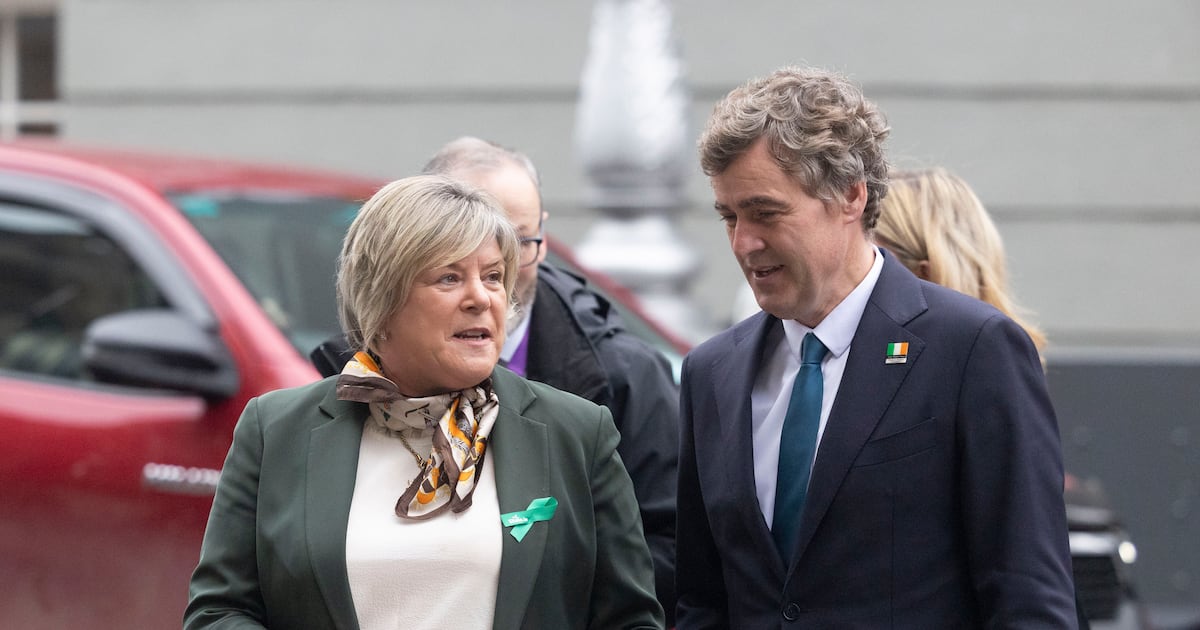
The High Court is set to deliver a ruling today on legal challenges raised by two Opposition members of the Irish Parliament regarding the attendance of “super junior” ministers at Cabinet meetings. The outcome of this case could have significant implications for the structure of the Government and the functioning of its Cabinet.
Attorney General Rossa Fanning is representing the State in the first legal action filed by Pa Daly, a member of the Sinn Féin party. This is followed by a second action initiated by Paul Murphy of the People Before Profit Solidarity party. Fanning characterized Daly’s efforts as a “political challenge to the integrity of Government,” emphasizing that the issue of who attends Cabinet meetings is a matter for the Government rather than the courts, given the absence of constitutional guidelines on the topic.
The core argument from the lawyers representing both Daly and Murphy references Article 28 of Bunreacht na hÉireann, which stipulates that the number of Government members, including the Taoiseach, must not exceed 15. This article also asserts that the Government must function collectively. In contrast, super junior ministers—who are appointed by the Government on the nomination of the Taoiseach—are not included in this count and do not have voting rights during Cabinet meetings.
Currently, there are four super junior ministers attending the Cabinet: Mary Butler from Fianna Fáil, who also serves as Chief Whip, Hildegarde Naughton of Fine Gael, along with Noel Grealish and Seán Canney from the Regional Independent Group. Notably, these ministers are not parties to the ongoing legal actions.
In his submission, Murphy has sought an injunction to prevent the super junior ministers from attending Cabinet meetings. Daly’s challenge also questions the legitimacy of legislation that allows for the payment of allowances to these ministers for their participation.
During the hearing, former super junior minister Finian McGrath, who held the position of Minister of State for Disability from 2016 to 2020, provided evidence that he was treated as a “full minister” in Cabinet settings. He noted instances where he was able to influence decisions, either by blocking or amending proposals presented to the Cabinet.
The ruling from the High Court is expected to clarify the legal standing of super junior ministers and could reshape the composition and authority within the Irish Government. As such, all eyes are on today’s decision, which could redefine the parameters of government operations in Ireland.

Mother Reveals Daughter’s Meningitis Seizure After Night Out

Major Oil Spill Disrupts Traffic in Donegal on March 16, 2026

Discovering Literature: The Joys of Rejoining a Public Library

Ted Season 2 Announced: Release Date & Trailer Updates Revealed

Research Ireland and UKRI Forge New Collaboration Agreement

David McGoldrick’s Impressive Scoring Streak Sparks World Cup Talk

Plane Crash Claims Lives of Publishing Heir, Pregnant Wife, and Pilot

Oscars Snub Brigitte Bardot Sparks Controversy Over In Memoriam

Meta Plans Major Layoffs to Offset Rising AI Investment Costs

Tributes Surge for 9-Year-Old Leon Briody After Cancer Battle

Aimee Osbourne Joins Family for Emotional Tribute to Ozzy

Danny Healy-Rae Considers Complaint After Altercation with Garda

Hawaii Commemorates 80 Years Since Hiroshima Bombing with Ceremony

Ireland Enjoys Summer Heat as Hurricane Erin Approaches Atlantic

Couple Convicted of Murdering Two-Year-Old Grandson in Wales

Gaza Aid Distribution Tragedy: 20 Killed Amid Ongoing Violence

Newcastle West Woman Patricia Foley Found Safe After Urgent Search

Fianna Fáil TDs Urgently Consider Maire Geoghegan-Quinn for Presidency
-
 Top Stories10 months ago
Tributes Surge for 9-Year-Old Leon Briody After Cancer Battle
-
 Entertainment12 months ago
Aimee Osbourne Joins Family for Emotional Tribute to Ozzy
-
 Politics12 months ago
Danny Healy-Rae Considers Complaint After Altercation with Garda
-
 World12 months ago
Hawaii Commemorates 80 Years Since Hiroshima Bombing with Ceremony
-
 Top Stories11 months ago
Ireland Enjoys Summer Heat as Hurricane Erin Approaches Atlantic
-
 World12 months ago
Couple Convicted of Murdering Two-Year-Old Grandson in Wales
-
 World12 months ago
Gaza Aid Distribution Tragedy: 20 Killed Amid Ongoing Violence
-
 Top Stories10 months ago
Newcastle West Woman Patricia Foley Found Safe After Urgent Search
-
 Top Stories12 months ago
Fianna Fáil TDs Urgently Consider Maire Geoghegan-Quinn for Presidency
-

 World12 months ago
Aristocrat Constance Marten and Partner Convicted of Infant Murder
-

 Top Stories11 months ago
Climbing Errigal: A Must-Do Summer Adventure in Donegal
-

 Top Stories11 months ago
Hike Donegal’s Errigal Mountain NOW for Unforgettable Summer Views