
Politics
Iran’s Supreme Leader Urges Crackdown on Protesters as Death Toll Rises

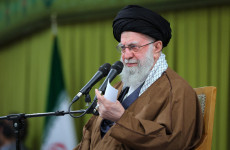
Iran’s Supreme Leader, Ayatollah Ali Khamenei, has called for a decisive response against what he terms “seditionists” following a series of widespread protests against the country’s clerical leadership. These demonstrations, which erupted over economic grievances, have become the most significant challenge to the Islamic Republic in over three years. In response to the unrest, authorities initiated a severe crackdown, resulting in a substantial rise in the reported death toll and thousands of arrests.
The protests, which began in early June 2026, were largely driven by public frustration over economic hardships. In an address marking a religious holiday that commemorates the Prophet Muhammad’s ascension to heaven, Khamenei stated, “By God’s grace, the Iranian nation must break the back of the seditionists just as it broke the back of the sedition.” His remarks were broadcast on state television, emphasizing the government’s determination to quell dissent.
Following the protests, reports indicate that the Iranian government has imposed strict control over the situation, describing the demonstrations as “riots.” State-aligned media have reported thousands of arrests, and officials have pledged swift punitive measures against those detained during the demonstrations. Khamenei added, “We do not intend to lead the country to war, but we will not spare domestic criminals,” further asserting that “international criminals” would also face consequences.
Among those Khamenei targeted was Donald Trump, the former U.S. President, who he accused of being responsible for the unrest. Khamenei claimed, “This was an American conspiracy,” alleging that the United States aims to re-establish military and political dominance over Iran. While the U.S. government has not directly intervened in the protests, Trump has indicated that he is monitoring the situation closely, particularly regarding the potential execution of protesters.
The death toll from the crackdown has raised alarm, with various rights organizations struggling to verify figures due to an ongoing internet blackout that lasted more than a week. According to the Norway-based rights group Iran Human Rights (IHR), at least 3,428 protesters have been confirmed dead at the hands of security forces, though the actual number could be significantly higher. Some estimates suggest the death toll may exceed 5,000, with reports indicating figures as high as 20,000. The opposition channel, Iran International, claims that at least 12,000 individuals have lost their lives during the protests, citing senior government and security sources.
The internet connectivity in Iran has seen slight improvements recently, according to monitoring organization Netblocks. However, rights groups have expressed concerns that the blackout was designed to obscure the scale of violence during the crackdown. The situation continues to evolve, with Iranian authorities maintaining a tight grip on information dissemination while the international community watches closely.
As the Iranian government reiterates its stance against what it perceives as foreign interference, the response to these protests marks a critical juncture for the nation. The combination of economic distress and political repression suggests that the underlying issues fueling public discontent will not be easily resolved.

Mother Reveals Daughter’s Meningitis Seizure After Night Out

Major Oil Spill Disrupts Traffic in Donegal on March 16, 2026

Discovering Literature: The Joys of Rejoining a Public Library

Ted Season 2 Announced: Release Date & Trailer Updates Revealed

Research Ireland and UKRI Forge New Collaboration Agreement

David McGoldrick’s Impressive Scoring Streak Sparks World Cup Talk

Plane Crash Claims Lives of Publishing Heir, Pregnant Wife, and Pilot

Oscars Snub Brigitte Bardot Sparks Controversy Over In Memoriam

Meta Plans Major Layoffs to Offset Rising AI Investment Costs

Tributes Surge for 9-Year-Old Leon Briody After Cancer Battle

Aimee Osbourne Joins Family for Emotional Tribute to Ozzy

Danny Healy-Rae Considers Complaint After Altercation with Garda

Hawaii Commemorates 80 Years Since Hiroshima Bombing with Ceremony

Ireland Enjoys Summer Heat as Hurricane Erin Approaches Atlantic

Couple Convicted of Murdering Two-Year-Old Grandson in Wales

Newcastle West Woman Patricia Foley Found Safe After Urgent Search

Fianna Fáil TDs Urgently Consider Maire Geoghegan-Quinn for Presidency

Gaza Aid Distribution Tragedy: 20 Killed Amid Ongoing Violence
-
 Top Stories7 months ago
Tributes Surge for 9-Year-Old Leon Briody After Cancer Battle
-
 Entertainment9 months ago
Aimee Osbourne Joins Family for Emotional Tribute to Ozzy
-
 Politics9 months ago
Danny Healy-Rae Considers Complaint After Altercation with Garda
-
 World9 months ago
Hawaii Commemorates 80 Years Since Hiroshima Bombing with Ceremony
-
 Top Stories8 months ago
Ireland Enjoys Summer Heat as Hurricane Erin Approaches Atlantic
-
 World9 months ago
Couple Convicted of Murdering Two-Year-Old Grandson in Wales
-
 Top Stories7 months ago
Newcastle West Woman Patricia Foley Found Safe After Urgent Search
-
 Top Stories9 months ago
Fianna Fáil TDs Urgently Consider Maire Geoghegan-Quinn for Presidency
-
 World9 months ago
Gaza Aid Distribution Tragedy: 20 Killed Amid Ongoing Violence
-

 World9 months ago
Aristocrat Constance Marten and Partner Convicted of Infant Murder
-
 Top Stories8 months ago
Hike Donegal’s Errigal Mountain NOW for Unforgettable Summer Views
-
 Top Stories8 months ago
Climbing Errigal: A Must-Do Summer Adventure in Donegal