
Politics
Ireland Faces Declining Birth and Marriage Rates, Shifts Ahead

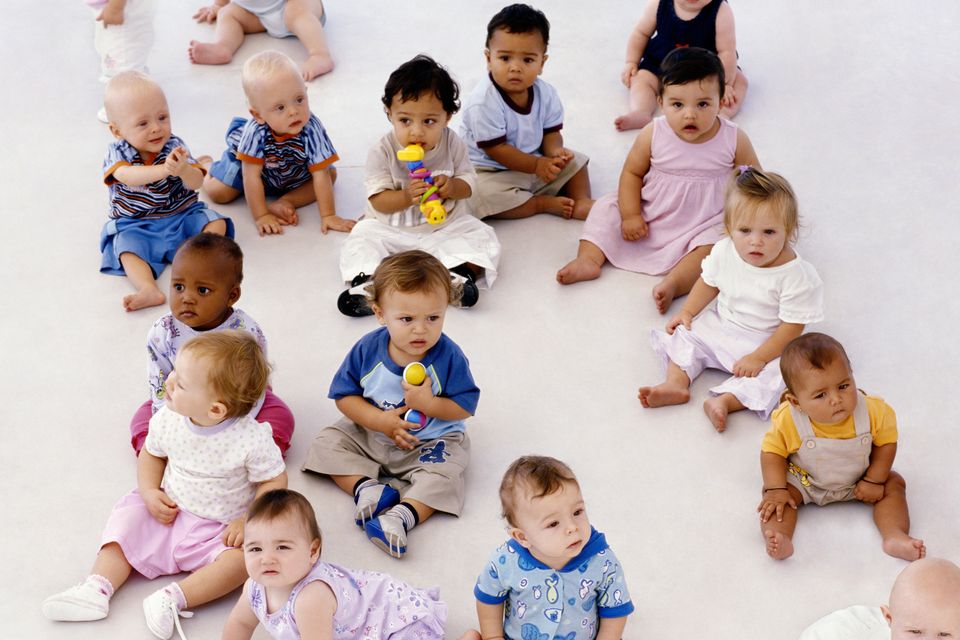
The latest statistics indicate that Ireland is experiencing a significant decline in both birth and marriage rates, a trend that could have lasting implications for the country’s demographic landscape. According to data, fertility rates and marriage rates in Ireland have reached their lowest recorded levels, excluding anomalies caused by the pandemic years. Demographers suggest that these rates are likely to decrease even further, pointing to a potential shift in societal attitudes and family structures.
Shifting Norms and Future Implications
Historically, Irish parents could raise their children with the expectation that they would eventually marry and start families of their own. This traditional view is now evolving, as fewer young people are choosing to marry or have children. The fall in these rates reflects broader societal changes, including economic factors, shifting values, and changing gender roles.
According to David Quinn, a noted demographic analyst, the implications of these trends may lead to a more conservative society in the future. He emphasizes that declining birth rates can influence everything from economic growth to social dynamics. As families become smaller, the structure of communities may also change, potentially leading to a re-evaluation of policies concerning family support and child care.
In 2023, Ireland’s fertility rate stood at approximately 1.6 children per woman, significantly below the replacement level of 2.1. This decline mirrors a global trend observed in many developed nations, where economic pressures and lifestyle choices are reshaping family planning. The marriage rate, which has also plummeted, suggests that traditional pathways to family formation are increasingly viewed as less appealing.
Public Response and Future Considerations
The public response to these trends has been mixed. Some advocate for policies that encourage family growth, such as increased parental leave and child benefits, while others argue that individual choices should dictate family size and structure. As the discourse continues, the challenge lies in addressing the needs of a changing population while maintaining support for those who choose to marry and have children.
As Ireland navigates these demographic shifts, the future remains uncertain. The decline in marriage and birth rates could lead to a re-evaluation of social norms and expectations, urging policymakers to consider the implications for both individuals and society as a whole.
Ultimately, the trends observed in Ireland serve as a reflection of broader changes occurring worldwide. As countries grapple with similar issues, the response will shape the future landscape of families, communities, and economies across the globe.

Mother Reveals Daughter’s Meningitis Seizure After Night Out

Major Oil Spill Disrupts Traffic in Donegal on March 16, 2026

Discovering Literature: The Joys of Rejoining a Public Library

Ted Season 2 Announced: Release Date & Trailer Updates Revealed

Research Ireland and UKRI Forge New Collaboration Agreement

David McGoldrick’s Impressive Scoring Streak Sparks World Cup Talk

Plane Crash Claims Lives of Publishing Heir, Pregnant Wife, and Pilot

Oscars Snub Brigitte Bardot Sparks Controversy Over In Memoriam

Meta Plans Major Layoffs to Offset Rising AI Investment Costs

Tributes Surge for 9-Year-Old Leon Briody After Cancer Battle

Aimee Osbourne Joins Family for Emotional Tribute to Ozzy

Danny Healy-Rae Considers Complaint After Altercation with Garda

Hawaii Commemorates 80 Years Since Hiroshima Bombing with Ceremony

Ireland Enjoys Summer Heat as Hurricane Erin Approaches Atlantic

Couple Convicted of Murdering Two-Year-Old Grandson in Wales

Gaza Aid Distribution Tragedy: 20 Killed Amid Ongoing Violence

Newcastle West Woman Patricia Foley Found Safe After Urgent Search

Fianna Fáil TDs Urgently Consider Maire Geoghegan-Quinn for Presidency
-
 Top Stories11 months ago
Tributes Surge for 9-Year-Old Leon Briody After Cancer Battle
-
 Entertainment12 months ago
Aimee Osbourne Joins Family for Emotional Tribute to Ozzy
-
 Politics1 year ago
Danny Healy-Rae Considers Complaint After Altercation with Garda
-
 World1 year ago
Hawaii Commemorates 80 Years Since Hiroshima Bombing with Ceremony
-
 Top Stories12 months ago
Ireland Enjoys Summer Heat as Hurricane Erin Approaches Atlantic
-
 World1 year ago
Couple Convicted of Murdering Two-Year-Old Grandson in Wales
-
 World1 year ago
Gaza Aid Distribution Tragedy: 20 Killed Amid Ongoing Violence
-
 Top Stories11 months ago
Newcastle West Woman Patricia Foley Found Safe After Urgent Search
-
 Top Stories1 year ago
Fianna Fáil TDs Urgently Consider Maire Geoghegan-Quinn for Presidency
-

 World1 year ago
Aristocrat Constance Marten and Partner Convicted of Infant Murder
-

 Top Stories12 months ago
Climbing Errigal: A Must-Do Summer Adventure in Donegal
-

 Top Stories12 months ago
Hike Donegal’s Errigal Mountain NOW for Unforgettable Summer Views