
Politics
Irish Folklore Gains Popularity, Sparking Debate on Heritage

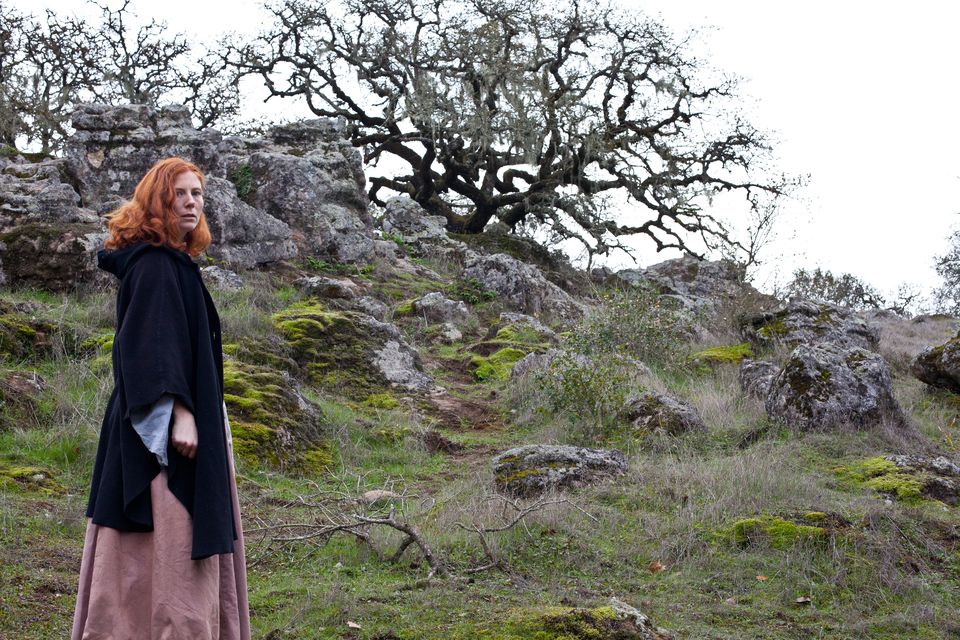
Irish folklore is experiencing a significant resurgence, drawing attention from both cultural enthusiasts and critics. The rise in popularity is evident in various forms, such as the increasing presence of Claddagh jewellery, the establishment of a new bank holiday dedicated to St Brigid, and the Morrígan appearing in prominent literary works, including a bestselling romantasy series. This revival raises important questions about how elements of the past are curated and presented to the public.
As traditional symbols of Irish culture gain traction, conversations surrounding their interpretation also emerge. Critics, including cultural commentator Catherine Prasifka, caution against individuals like Eoin Lenihan, who advocate for a selective approach to heritage. Prasifka argues that such an attitude can distort the richness of Irish history, leading to an incomplete or skewed representation.
The Complexity of Cultural Narratives
The recent celebration of Irish folklore highlights a broader trend where various aspects of cultural identity are either embraced or overlooked. While the revival of traditions can foster a sense of belonging and pride, it also invites scrutiny regarding which narratives are highlighted and which are marginalized.
Prasifka emphasizes the importance of acknowledging the multifaceted nature of history, stating, “When we talk about the past, we are picking and choosing which parts to emphasize and which parts to quietly leave behind.” This perspective underscores the need for a comprehensive understanding of cultural heritage, one that reflects both triumphs and challenges.
The celebration of St Brigid and the growing interest in Celtic mythology, particularly the Morrígan, serve as examples of how folklore can be both a source of inspiration and a point of contention. As these stories gain popularity, they also prompt discussions about authenticity and representation in contemporary culture.
Balancing Tradition and Modernity
The recent surge in interest in Irish folklore is not without its complexities. As symbols such as Claddagh jewellery become fashionable, there is a risk that their meanings may become diluted or commercialized. This phenomenon raises concerns about the potential loss of cultural significance in favor of aesthetic appeal.
Prasifka’s warnings resonate with many cultural critics who advocate for a more nuanced portrayal of history. They argue that preserving the integrity of Irish folklore requires a commitment to exploring its diverse narratives and ensuring that all voices are heard. The challenge lies in balancing the celebration of cultural heritage with a responsibility to represent it authentically.
In conclusion, while Irish folklore is enjoying a renaissance, it is essential to navigate this revival with care. Acknowledging the complexity of cultural narratives is vital for fostering a deeper understanding of Ireland’s rich history. As conversations around identity and heritage continue, the role of individuals like Prasifka and Lenihan will remain pivotal in shaping how these stories are told and understood in modern society.

Mother Reveals Daughter’s Meningitis Seizure After Night Out

Major Oil Spill Disrupts Traffic in Donegal on March 16, 2026

Discovering Literature: The Joys of Rejoining a Public Library

Ted Season 2 Announced: Release Date & Trailer Updates Revealed

Research Ireland and UKRI Forge New Collaboration Agreement

David McGoldrick’s Impressive Scoring Streak Sparks World Cup Talk

Plane Crash Claims Lives of Publishing Heir, Pregnant Wife, and Pilot

Oscars Snub Brigitte Bardot Sparks Controversy Over In Memoriam

Meta Plans Major Layoffs to Offset Rising AI Investment Costs

Tributes Surge for 9-Year-Old Leon Briody After Cancer Battle

Aimee Osbourne Joins Family for Emotional Tribute to Ozzy

Danny Healy-Rae Considers Complaint After Altercation with Garda

Hawaii Commemorates 80 Years Since Hiroshima Bombing with Ceremony

Ireland Enjoys Summer Heat as Hurricane Erin Approaches Atlantic

Couple Convicted of Murdering Two-Year-Old Grandson in Wales

Gaza Aid Distribution Tragedy: 20 Killed Amid Ongoing Violence

Newcastle West Woman Patricia Foley Found Safe After Urgent Search

Fianna Fáil TDs Urgently Consider Maire Geoghegan-Quinn for Presidency
-
 Top Stories10 months ago
Tributes Surge for 9-Year-Old Leon Briody After Cancer Battle
-
 Entertainment12 months ago
Aimee Osbourne Joins Family for Emotional Tribute to Ozzy
-
 Politics12 months ago
Danny Healy-Rae Considers Complaint After Altercation with Garda
-
 World12 months ago
Hawaii Commemorates 80 Years Since Hiroshima Bombing with Ceremony
-
 Top Stories11 months ago
Ireland Enjoys Summer Heat as Hurricane Erin Approaches Atlantic
-
 World12 months ago
Couple Convicted of Murdering Two-Year-Old Grandson in Wales
-
 World12 months ago
Gaza Aid Distribution Tragedy: 20 Killed Amid Ongoing Violence
-
 Top Stories10 months ago
Newcastle West Woman Patricia Foley Found Safe After Urgent Search
-
 Top Stories12 months ago
Fianna Fáil TDs Urgently Consider Maire Geoghegan-Quinn for Presidency
-

 World12 months ago
Aristocrat Constance Marten and Partner Convicted of Infant Murder
-

 Top Stories11 months ago
Climbing Errigal: A Must-Do Summer Adventure in Donegal
-

 Top Stories11 months ago
Hike Donegal’s Errigal Mountain NOW for Unforgettable Summer Views