
Politics
Israel to Halt Operations of Over 25 Aid Organizations in Gaza

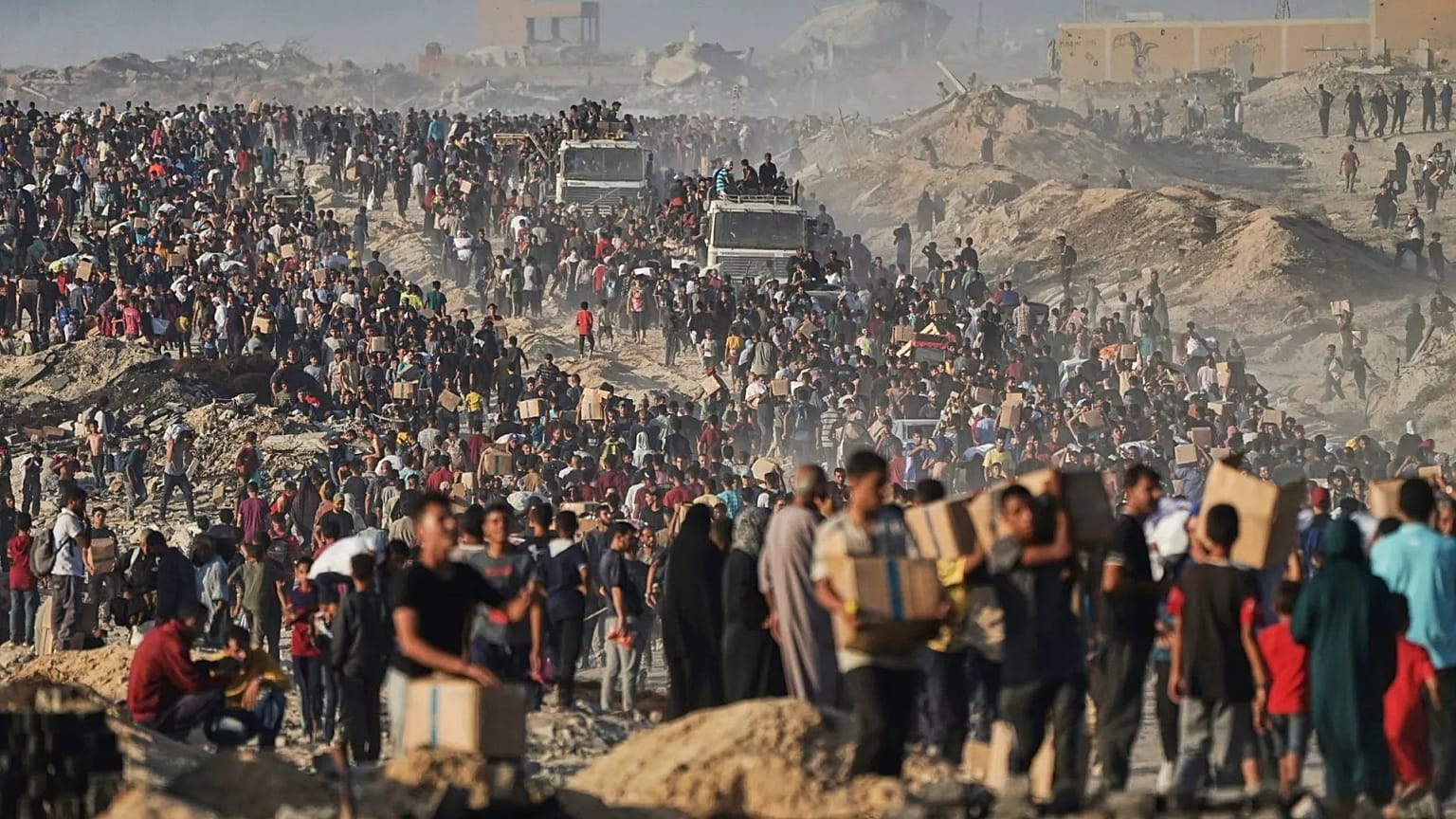
Israel announced on Tuesday that it will suspend the operations of more than two dozen humanitarian organizations in Gaza starting on January 1, 2026. This decision follows a change in the registration process for aid groups, which now requires them to provide detailed information about their staff, including Palestinian employees in Gaza.
The Ministry of Diaspora Affairs stated that approximately 25 organizations, accounting for about 15% of non-governmental organizations operating in Gaza, failed to meet the new requirements. The ministry emphasized that these groups did not adequately share information about their personnel, funding, and operations. Among those facing a ban is Doctors Without Borders (MSF), which has been accused of not clarifying the roles of certain staff members who Israel claims have connections to Hamas and other militant groups.
Other notable organizations affected include the Norwegian Refugee Council, CARE International, the International Rescue Committee, and divisions of major charities such as Oxfam and Caritas. These organizations provide critical social services like food distribution, healthcare, disability services, education, and mental health support in a region where over two million people are in urgent need.
Concerns Over Aid Access and Humanitarian Needs
The Israeli government has maintained that it is fulfilling its commitments regarding aid to Gaza as outlined in the ceasefire agreement that took effect on October 10, 2023. However, humanitarian agencies have contested these claims, asserting that the levels of aid entering Gaza are insufficient to meet the escalating needs of the population.
Some aid organizations have expressed concerns about the regulations mandating the submission of staff lists. Many fear that revealing the identities of Palestinian staff could lead to targeting by Israeli authorities. Shaina Low, communications adviser for the Norwegian Refugee Council, noted, “In Gaza, we saw hundreds of aid workers get killed,” emphasizing the legal and safety implications of the new requirements.
The cessation of licenses for these aid groups will lead to the closure of their offices in Israel and East Jerusalem. Organizations will also be unable to send international staff or aid into Gaza. Low remarked, “Despite the ceasefire, the needs in Gaza are enormous, yet we and dozens of other organizations are and will continue to be blocked from bringing in essential life-saving assistance.” She highlighted that the burden of aid work will fall on local staff, who are already exhausted.
Israeli Government’s Position on Humanitarian Aid
The Israeli government has stated that the decision to revoke licenses for these organizations is a clear message that while humanitarian assistance is welcome, the exploitation of these frameworks for terrorism is not. Amichai Chikli, the minister of diaspora affairs and combating antisemitism, articulated this stance, emphasizing the need for accountability in humanitarian efforts.
The Israeli defense body responsible for overseeing humanitarian aid to Gaza, known as COGAT, indicated that the organizations on the list contribute less than 1% of the total aid entering the Gaza Strip. COGAT asserted that aid will continue to flow from over 20 organizations that have received permits to operate.
This crackdown on international humanitarian groups is not unprecedented. Throughout the conflict, Israel has accused the UN Relief and Works Agency (UNRWA) of being infiltrated by Hamas, leading to a ban on its operations within Israeli territory in January 2024. The United States, previously the largest donor to UNRWA, ceased funding the agency earlier this year.
Furthermore, the executive director of AIDA, an umbrella organization representing over 100 groups operating in the Palestinian territories, expressed concerns about the potential military or intelligence use of data collected from the new regulations. Athena Rayburn stated, “Agreeing for a party to the conflict to vet our staff, especially under the conditions of occupation, is a violation of humanitarian principles, specifically neutrality and independence.”
Rayburn highlighted the ongoing security risks, noting that more than 500 aid workers have been killed in Gaza during the conflict. She mentioned that organizations had proposed alternatives to the staff list requirement, such as third-party vetting, but Israel has declined to engage in further dialogue.
The implications of these developments will be closely monitored, as they pose significant challenges for humanitarian efforts in a region already facing immense hardship.

Mother Reveals Daughter’s Meningitis Seizure After Night Out

Major Oil Spill Disrupts Traffic in Donegal on March 16, 2026

Discovering Literature: The Joys of Rejoining a Public Library

Ted Season 2 Announced: Release Date & Trailer Updates Revealed

Research Ireland and UKRI Forge New Collaboration Agreement

David McGoldrick’s Impressive Scoring Streak Sparks World Cup Talk

Plane Crash Claims Lives of Publishing Heir, Pregnant Wife, and Pilot

Oscars Snub Brigitte Bardot Sparks Controversy Over In Memoriam

Meta Plans Major Layoffs to Offset Rising AI Investment Costs

Tributes Surge for 9-Year-Old Leon Briody After Cancer Battle

Aimee Osbourne Joins Family for Emotional Tribute to Ozzy

Danny Healy-Rae Considers Complaint After Altercation with Garda

Hawaii Commemorates 80 Years Since Hiroshima Bombing with Ceremony

Ireland Enjoys Summer Heat as Hurricane Erin Approaches Atlantic

Couple Convicted of Murdering Two-Year-Old Grandson in Wales

Gaza Aid Distribution Tragedy: 20 Killed Amid Ongoing Violence

Newcastle West Woman Patricia Foley Found Safe After Urgent Search

Fianna Fáil TDs Urgently Consider Maire Geoghegan-Quinn for Presidency
-
 Top Stories10 months ago
Tributes Surge for 9-Year-Old Leon Briody After Cancer Battle
-
 Entertainment12 months ago
Aimee Osbourne Joins Family for Emotional Tribute to Ozzy
-
 Politics12 months ago
Danny Healy-Rae Considers Complaint After Altercation with Garda
-
 World12 months ago
Hawaii Commemorates 80 Years Since Hiroshima Bombing with Ceremony
-
 Top Stories11 months ago
Ireland Enjoys Summer Heat as Hurricane Erin Approaches Atlantic
-
 World12 months ago
Couple Convicted of Murdering Two-Year-Old Grandson in Wales
-
 World12 months ago
Gaza Aid Distribution Tragedy: 20 Killed Amid Ongoing Violence
-
 Top Stories10 months ago
Newcastle West Woman Patricia Foley Found Safe After Urgent Search
-
 Top Stories12 months ago
Fianna Fáil TDs Urgently Consider Maire Geoghegan-Quinn for Presidency
-

 World12 months ago
Aristocrat Constance Marten and Partner Convicted of Infant Murder
-

 Top Stories11 months ago
Climbing Errigal: A Must-Do Summer Adventure in Donegal
-

 Top Stories11 months ago
Hike Donegal’s Errigal Mountain NOW for Unforgettable Summer Views