
Politics
Micheál Martin Strengthens Ties on Historic Visit to China

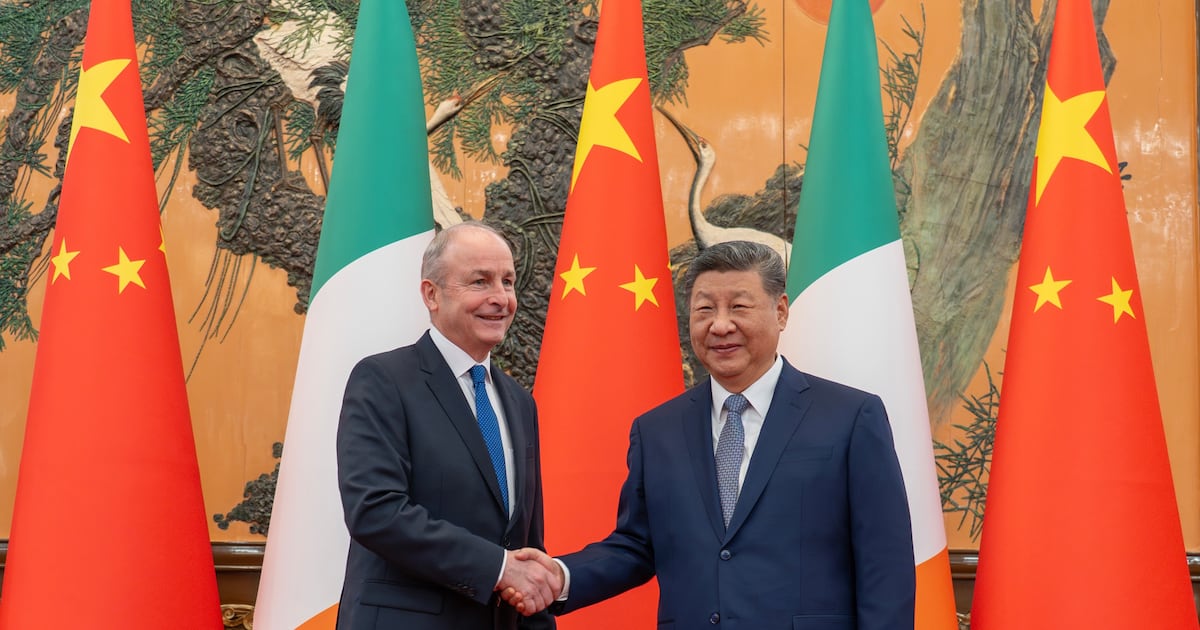
Micheál Martin, the Taoiseach of Ireland, made a significant visit to China this week, marking the first official trip by a sitting Taoiseach since 2012. The visit involved a series of high-profile meetings with key leaders in the Chinese government, including President Xi Jinping, Premier Li Qiang, and Zhao Leji, the chairman of the National People’s Congress. Over four days in Beijing and Shanghai, Martin focused on enhancing the bilateral economic relationship, which has become increasingly vital for both nations.
During this trip, Martin emphasized the importance of trade between Ireland and China. Currently, Ireland enjoys a trade surplus with China, with the latter being Ireland’s largest trading partner in Asia and its fifth largest in the world. This unique position highlights the potential for growth in both markets and foreign direct investment opportunities. Martin met with representatives from 13 Irish higher education institutions, which operate over 100 joint programs with Chinese colleges, showcasing the depth of cooperation in education.
Despite rising concerns about security risks associated with teaching Chinese students in Ireland, Martin defended the educational exchanges. He pointed out that universities in the United States and across Europe also welcome Chinese students, reflecting a broader commitment to academic collaboration.
In his discussions with Chinese leaders, a recurring theme was the need for a new framework to enhance relations between China and the European Union. EU-China relations have been strained in recent years, particularly due to China’s support for Russia during the conflict in Ukraine. The increasing trade surplus, which exceeded $1 trillion last year, has also created challenges for European industries, particularly as Chinese manufacturers excel in producing high-end products like electric vehicles.
Acknowledging these concerns, Martin suggested that rather than lamenting the influx of Chinese imports, European nations should focus on improving their own competitiveness. However, the impact of his remarks may have been diminished by the recent decision of the Irish government to vote against an EU trade deal with Mercosur.
Human Rights Concerns Addressed
In addition to economic discussions, Martin also raised important human rights issues during his meetings in Beijing. One significant case mentioned was that of Jimmy Lai, a former media owner in Hong Kong, who faces a potential life sentence under the city’s National Security Law. Lai’s situation symbolizes the broader human rights challenges present in China, and while discussions on such topics often yield limited immediate results, they serve to remind those affected by abuses that their plight is not overlooked.
Martin’s visit was a crucial step in fostering dialogue between Ireland and China, highlighting both the opportunities and challenges that lie ahead. As Ireland continues to navigate its position within the global landscape, the Taoiseach’s efforts to strengthen ties with one of the world’s largest economies reflect a commitment to forging a path toward mutual benefit and understanding.

Mother Reveals Daughter’s Meningitis Seizure After Night Out

Major Oil Spill Disrupts Traffic in Donegal on March 16, 2026

Discovering Literature: The Joys of Rejoining a Public Library

Ted Season 2 Announced: Release Date & Trailer Updates Revealed

Research Ireland and UKRI Forge New Collaboration Agreement

David McGoldrick’s Impressive Scoring Streak Sparks World Cup Talk

Plane Crash Claims Lives of Publishing Heir, Pregnant Wife, and Pilot

Oscars Snub Brigitte Bardot Sparks Controversy Over In Memoriam

Meta Plans Major Layoffs to Offset Rising AI Investment Costs

Tributes Surge for 9-Year-Old Leon Briody After Cancer Battle

Aimee Osbourne Joins Family for Emotional Tribute to Ozzy

Danny Healy-Rae Considers Complaint After Altercation with Garda

Hawaii Commemorates 80 Years Since Hiroshima Bombing with Ceremony

Ireland Enjoys Summer Heat as Hurricane Erin Approaches Atlantic

Couple Convicted of Murdering Two-Year-Old Grandson in Wales

Newcastle West Woman Patricia Foley Found Safe After Urgent Search

Fianna Fáil TDs Urgently Consider Maire Geoghegan-Quinn for Presidency

Gaza Aid Distribution Tragedy: 20 Killed Amid Ongoing Violence
-
 Top Stories7 months ago
Tributes Surge for 9-Year-Old Leon Briody After Cancer Battle
-
 Entertainment9 months ago
Aimee Osbourne Joins Family for Emotional Tribute to Ozzy
-
 Politics9 months ago
Danny Healy-Rae Considers Complaint After Altercation with Garda
-
 World9 months ago
Hawaii Commemorates 80 Years Since Hiroshima Bombing with Ceremony
-
 Top Stories8 months ago
Ireland Enjoys Summer Heat as Hurricane Erin Approaches Atlantic
-
 World9 months ago
Couple Convicted of Murdering Two-Year-Old Grandson in Wales
-
 Top Stories7 months ago
Newcastle West Woman Patricia Foley Found Safe After Urgent Search
-
 Top Stories9 months ago
Fianna Fáil TDs Urgently Consider Maire Geoghegan-Quinn for Presidency
-
 World9 months ago
Gaza Aid Distribution Tragedy: 20 Killed Amid Ongoing Violence
-

 World9 months ago
Aristocrat Constance Marten and Partner Convicted of Infant Murder
-

 Top Stories8 months ago
Hike Donegal’s Errigal Mountain NOW for Unforgettable Summer Views
-

 Top Stories8 months ago
Climbing Errigal: A Must-Do Summer Adventure in Donegal