
Politics
NATO Leaders Respond to Trump’s Comments on Afghan Contributions

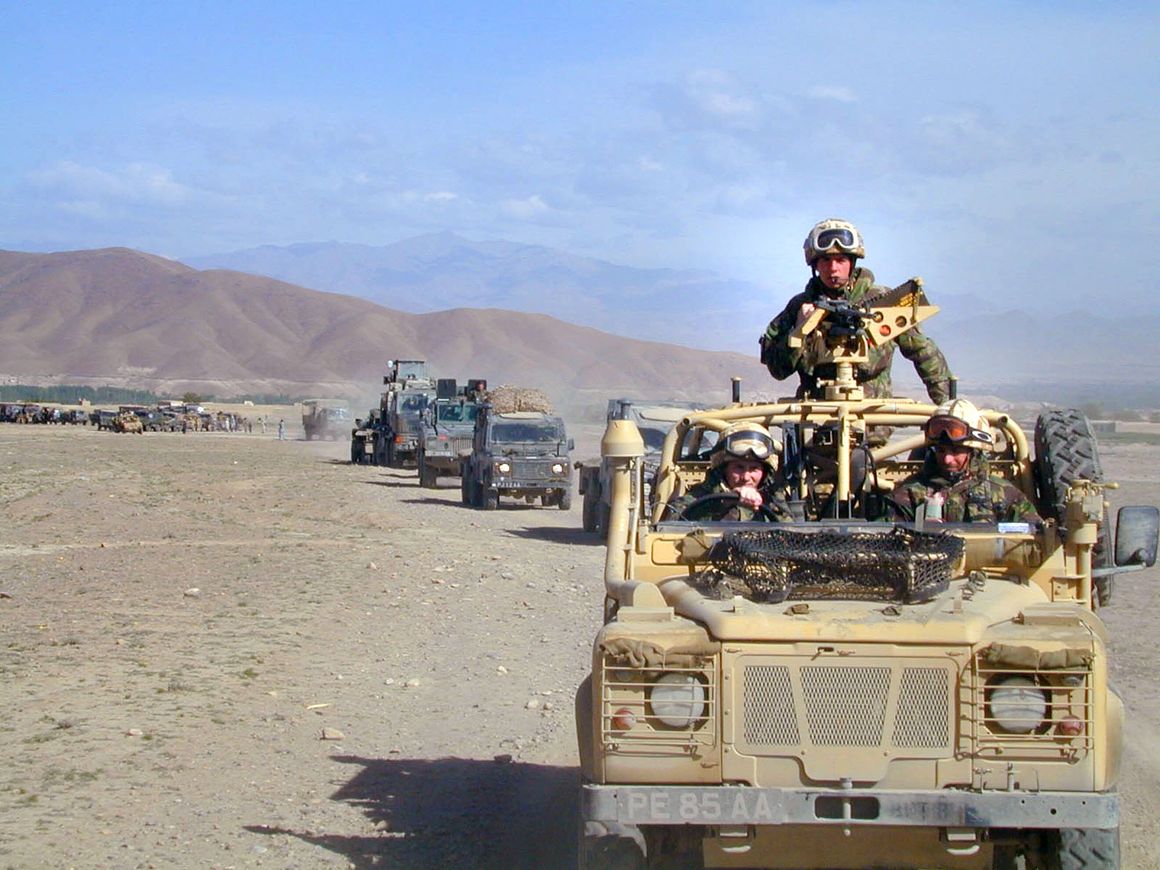
U.S. President Donald Trump has faced significant backlash from NATO allies following remarks made during an interview on February 1, 2024, in Davos. Trump suggested that allied forces remained “a little off the front lines” during the Afghanistan war, a statement that has drawn sharp criticism from leaders and veterans across Europe.
Trump’s comments came as he referred to NATO contributions, stating, “We’ve never needed them … they’ll say they sent some troops to Afghanistan. And they did — they stayed a little back, a little off the front lines.” This assertion was quickly challenged by European officials, many of whom highlighted their countries’ substantial sacrifices in the conflict.
European Leaders Reject Trump’s Claims
Norway’s Defense Minister Tore O. Sandvik vehemently rejected Trump’s characterization, calling it “wrong and without respect.” He emphasized the importance of honoring fallen soldiers and their families, noting that over 10,000 Norwegian troops served in Afghanistan, with 10 soldiers losing their lives. Sandvik expressed understanding of the anger felt by veterans and families in response to Trump’s remarks.
Similarly, Denmark’s ambassador to the United States, Jesper Møller Sørensen, affirmed that Danish forces fought “on the front line” in Helmand province, highlighting one of the highest per-capita casualty rates among NATO allies. In a post on X, he stated, “That was solidarity. We stood with America then — and we still do.”
Polish Prime Minister Donald Tusk recalled a poignant farewell ceremony in Ghazni in 2011 for five fallen Polish soldiers. He criticized Trump’s comments and urged American officials to remember the sacrifices made by Polish troops.
U.K. Prime Minister Keir Starmer described Trump’s remarks as “insulting and frankly appalling.” He reiterated the bravery and sacrifices of U.K. soldiers, stating, “I will never forget [U.K. soldiers’] courage.”
Veterans and Soldiers Speak Out
Former British Army captain Prince Harry, who served two tours in Afghanistan, expressed deep concern regarding Trump’s comments. He noted that NATO allies “answered that call” when the U.S. invoked Article 5 of the NATO treaty following the September 11, 2001 attacks. Prince Harry highlighted the personal toll of the conflict, stating, “I served there. I made lifelong friends there. And I lost friends there.” He pointed out that the U.K. alone lost 457 service personnel, and emphasized that “thousands of lives were changed forever.”
In a statement, U.K. Defense Minister John Healey praised British troops who died in Afghanistan as “heroes who gave their lives in service of our nation.” He emphasized the need for respect in discussions about military sacrifices.
French Armed Forces Minister Catherine Vautrin also weighed in, reminding the public that France has been engaged in Afghanistan since 2001, having lost 90 soldiers in operations. “We remember their sacrifice, which commands respect,” she stated.
The responses from NATO allies reflect a collective commitment to honor those who served in Afghanistan, countering Trump’s assertion with a narrative that emphasizes solidarity and sacrifice among allied forces. As tensions mount over the interpretation of contributions during the conflict, the voices of those who served remain crucial in shaping the discourse around military engagement and international cooperation.

Mother Reveals Daughter’s Meningitis Seizure After Night Out

Major Oil Spill Disrupts Traffic in Donegal on March 16, 2026

Discovering Literature: The Joys of Rejoining a Public Library

Ted Season 2 Announced: Release Date & Trailer Updates Revealed

Research Ireland and UKRI Forge New Collaboration Agreement

David McGoldrick’s Impressive Scoring Streak Sparks World Cup Talk

Plane Crash Claims Lives of Publishing Heir, Pregnant Wife, and Pilot

Oscars Snub Brigitte Bardot Sparks Controversy Over In Memoriam

Meta Plans Major Layoffs to Offset Rising AI Investment Costs

Tributes Surge for 9-Year-Old Leon Briody After Cancer Battle

Aimee Osbourne Joins Family for Emotional Tribute to Ozzy

Danny Healy-Rae Considers Complaint After Altercation with Garda

Hawaii Commemorates 80 Years Since Hiroshima Bombing with Ceremony

Ireland Enjoys Summer Heat as Hurricane Erin Approaches Atlantic

Couple Convicted of Murdering Two-Year-Old Grandson in Wales

Newcastle West Woman Patricia Foley Found Safe After Urgent Search

Fianna Fáil TDs Urgently Consider Maire Geoghegan-Quinn for Presidency

Gaza Aid Distribution Tragedy: 20 Killed Amid Ongoing Violence
-
 Top Stories7 months ago
Tributes Surge for 9-Year-Old Leon Briody After Cancer Battle
-
 Entertainment9 months ago
Aimee Osbourne Joins Family for Emotional Tribute to Ozzy
-
 Politics9 months ago
Danny Healy-Rae Considers Complaint After Altercation with Garda
-
 World9 months ago
Hawaii Commemorates 80 Years Since Hiroshima Bombing with Ceremony
-
 Top Stories8 months ago
Ireland Enjoys Summer Heat as Hurricane Erin Approaches Atlantic
-
 World9 months ago
Couple Convicted of Murdering Two-Year-Old Grandson in Wales
-
 Top Stories7 months ago
Newcastle West Woman Patricia Foley Found Safe After Urgent Search
-
 Top Stories9 months ago
Fianna Fáil TDs Urgently Consider Maire Geoghegan-Quinn for Presidency
-
 World9 months ago
Gaza Aid Distribution Tragedy: 20 Killed Amid Ongoing Violence
-

 World9 months ago
Aristocrat Constance Marten and Partner Convicted of Infant Murder
-

 Top Stories8 months ago
Hike Donegal’s Errigal Mountain NOW for Unforgettable Summer Views
-

 Top Stories8 months ago
Climbing Errigal: A Must-Do Summer Adventure in Donegal