
Politics
Portugal’s Presidential Election: A Decisive Win for Democracy

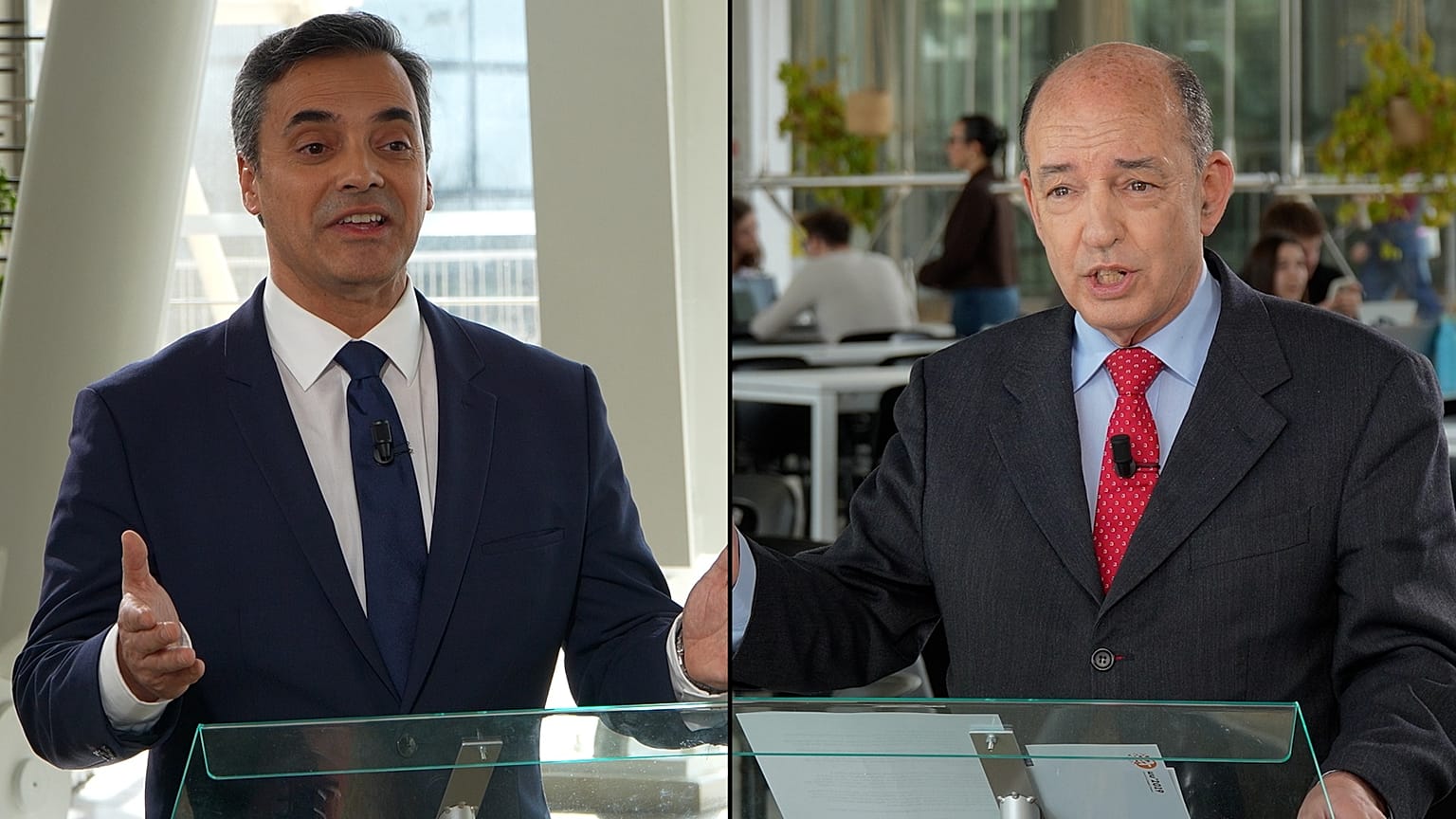
Portugal’s recent presidential election on February 8, 2024, resulted in a significant victory for António José Seguro, who secured approximately two-thirds of the vote against André Ventura. This outcome effectively quashed the far-right’s aspirations to reach the presidency, marking one of the largest margins in the nation’s democratic history. The election has prompted a thorough analysis of its implications for both Portugal and the broader European landscape.
In a discussion hosted by Mariana Corrêa at the Nova School of Business and Economics in Lisbon, guests included Carlos Coelho, a former Member of the European Parliament from the European People’s Party, and current MEP André Franqueira Rodrigues from the Socialists & Democrats Group. Their insights shed light on the complexities surrounding Seguro’s victory and the evolving political dynamics in Portugal.
The election’s results illustrate a broad mobilization across the political spectrum, uniting voters from the centre-left to parts of the centre-right. This coalition aimed to prevent a populist advance, with many supporters viewing their choice as a defense of democratic values amid increasing polarization. While Seguro’s victory was clear, it left a more intricate political landscape in its wake.
The strong backing for Ventura reflects ongoing societal tensions in Portugal, notably concerning immigration, economic pressures, and growing distrust in state institutions. Though the far right faced a setback, it continues to establish itself as a notable force in the political arena, indicating a potential shift in the traditional party system.
António José Seguro now assumes a moderating role, possessing substantial influence over the stability of the government. Questions arise regarding his potential as a reformist President. Can he effectively negotiate on critical issues such as healthcare, housing, and labor reform? Will he navigate the complexities of a tripartite political system to ensure stability?
The effects of this election extend beyond Portugal’s borders. In a time when socialist parties encounter various electoral hurdles throughout Europe, Seguro’s victory might signal a resurgence for the social-democratic movement. With socialist leadership in countries like Spain, Denmark, and Estonia, this election could foster a stronger progressive axis within Europe or merely reflect a unique national response to the far right.
European leaders have generally welcomed the outcome, with António Costa, President of the European Council, praising the “Portuguese people’s appreciation for democracy.” Yet, this raises questions about the underlying threats to democratic principles. What role should Portugal assume in a European context challenged by war, increased defense spending demands, and rising budgetary pressures?
This pivotal election not only shapes Portugal’s immediate political future but also contributes to the broader narrative of democracy within Europe. As the nation reflects on the implications of its electoral choices, the potential for reform and stability remains at the forefront of public discourse.
For further insights, tune into “The Ring” on Euronews TV, a platform where critical discussions on these topics continue to unfold.

Mother Reveals Daughter’s Meningitis Seizure After Night Out

Major Oil Spill Disrupts Traffic in Donegal on March 16, 2026

Discovering Literature: The Joys of Rejoining a Public Library

Ted Season 2 Announced: Release Date & Trailer Updates Revealed

Research Ireland and UKRI Forge New Collaboration Agreement

David McGoldrick’s Impressive Scoring Streak Sparks World Cup Talk

Plane Crash Claims Lives of Publishing Heir, Pregnant Wife, and Pilot

Oscars Snub Brigitte Bardot Sparks Controversy Over In Memoriam

Meta Plans Major Layoffs to Offset Rising AI Investment Costs

Tributes Surge for 9-Year-Old Leon Briody After Cancer Battle

Aimee Osbourne Joins Family for Emotional Tribute to Ozzy

Danny Healy-Rae Considers Complaint After Altercation with Garda

Hawaii Commemorates 80 Years Since Hiroshima Bombing with Ceremony

Ireland Enjoys Summer Heat as Hurricane Erin Approaches Atlantic

Couple Convicted of Murdering Two-Year-Old Grandson in Wales

Gaza Aid Distribution Tragedy: 20 Killed Amid Ongoing Violence

Newcastle West Woman Patricia Foley Found Safe After Urgent Search

Fianna Fáil TDs Urgently Consider Maire Geoghegan-Quinn for Presidency
-
 Top Stories10 months ago
Tributes Surge for 9-Year-Old Leon Briody After Cancer Battle
-
 Entertainment12 months ago
Aimee Osbourne Joins Family for Emotional Tribute to Ozzy
-
 Politics12 months ago
Danny Healy-Rae Considers Complaint After Altercation with Garda
-
 World1 year ago
Hawaii Commemorates 80 Years Since Hiroshima Bombing with Ceremony
-
 Top Stories11 months ago
Ireland Enjoys Summer Heat as Hurricane Erin Approaches Atlantic
-
 World1 year ago
Couple Convicted of Murdering Two-Year-Old Grandson in Wales
-
 World1 year ago
Gaza Aid Distribution Tragedy: 20 Killed Amid Ongoing Violence
-
 Top Stories10 months ago
Newcastle West Woman Patricia Foley Found Safe After Urgent Search
-
 Top Stories1 year ago
Fianna Fáil TDs Urgently Consider Maire Geoghegan-Quinn for Presidency
-

 World1 year ago
Aristocrat Constance Marten and Partner Convicted of Infant Murder
-

 Top Stories12 months ago
Climbing Errigal: A Must-Do Summer Adventure in Donegal
-

 Top Stories12 months ago
Hike Donegal’s Errigal Mountain NOW for Unforgettable Summer Views