
Politics
Ukraine and US Forge Peace Plan, Key Issues Remain Unresolved

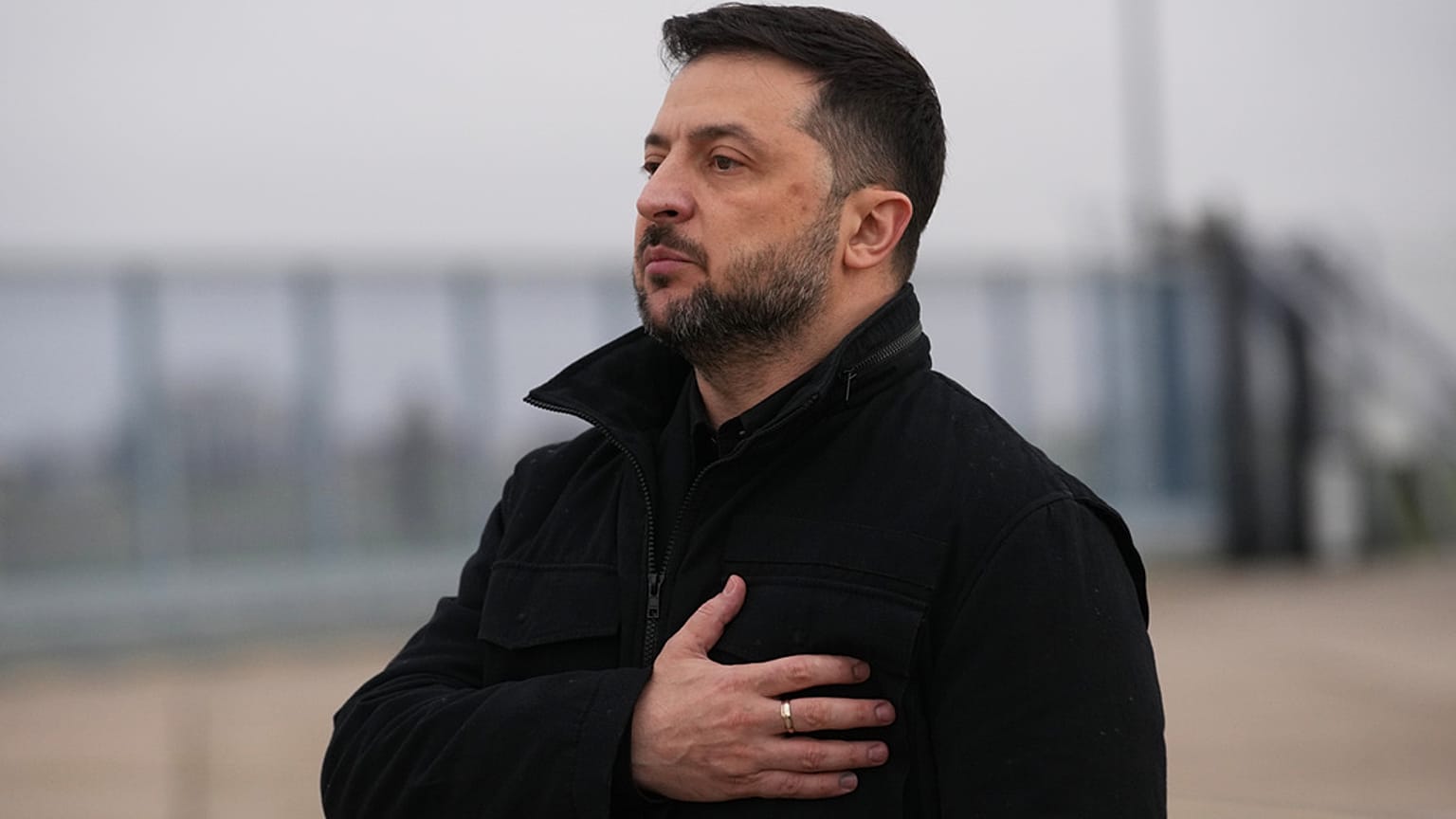
Ukraine and the United States have reached a near consensus on a 20-point peace plan aimed at resolving the ongoing conflict with Russia, according to Ukrainian President Volodymyr Zelenskyy. However, contentious issues surrounding control of the Donbas region and the management of the Zaporizhzhia Nuclear Power Plant continue to pose significant challenges.
Zelenskyy made these remarks during a briefing, noting that while most points of the plan had been agreed upon, the future of eastern Ukraine’s Donetsk and Luhansk regions, collectively known as the Donbas, remains a complex topic. He described this aspect as “the most difficult point” in the negotiations. Russia is expected to respond to the proposed plan on Wednesday.
The conflict, which has persisted for nearly four years, has seen Russia maintain maximalist demands, including a call for Ukraine to relinquish all remaining territory in the Donbas. Ukraine has firmly rejected these conditions. In an effort to facilitate compromise, the US has suggested transforming the contested areas into free economic zones. Zelenskyy emphasized Ukraine’s need for demilitarisation and the deployment of an international force to ensure regional stability.
Negotiations concerning the management of the Zaporizhzhia plant, currently under Russian occupation, are also fraught with tension. The US has proposed a consortium involving Ukraine and Russia, allowing equal stakes for both parties. In contrast, Zelenskyy advocates for a joint venture with the US, where Washington would have the authority to manage its share, potentially limiting Russian influence.
“We did not reach a consensus with the American side on the territory of the Donetsk region and on the ZNPP,” Zelenskyy stated. “But we have significantly brought most of the positions closer together.” He added that discussions regarding the plant required extensive negotiation, lasting up to 15 hours.
The ongoing discussions highlight the delicate balance between Ukrainian sovereignty and international diplomacy. Zelenskyy pointed out that billions of dollars in investment are essential for restarting the Zaporizhzhia plant, including the restoration of the adjacent dam.
Challenges in the Peace Process
The issues surrounding Donbas and the nuclear plant are expected to remain significant hurdles in the peace talks. Zelenskyy remarked on the pressure Ukraine faces, stating, “We are in a situation where the Russians want us to leave the Donetsk region, and the Americans are trying to find a way so that it is ‘not a way out’ — because we are against leaving.”
The proposed draft outlines that the contact line, which crosses five Ukrainian regions, should be frozen upon the signing of an agreement. Zelenskyy emphasized that any establishment of a free economic zone must undergo a referendum, asserting that the Ukrainian populace holds ultimate decision-making power. This process is anticipated to take approximately 60 days, during which hostilities would need to cease.
Further complications arise in discussions about troop deployment and the positioning of international forces. Zelenskyy noted, “people can choose: this ending suits us or not.” The draft also suggests the withdrawal of Russian forces from several regions, including Dnipropetrovsk, Mykolaiv, Sumy, and Kharkiv, with international forces tasked to monitor the agreement’s implementation.
Zelenskyy expressed skepticism about Russia’s commitment to the agreements, citing a historical pattern of broken promises. He reiterated the need for international oversight to prevent unauthorized military presence in the region.
This current initiative follows previous attempts to resolve the conflict, including the 2014 and 2015 Minsk agreements, which sought to establish ceasefires and restore Ukrainian control over its borders. Those agreements ultimately faltered, leading to the escalation of hostilities culminating in Russia’s full-scale invasion in February 2022.
As the situation evolves, the international community will be closely observing the developments from both Ukraine and Russia. The upcoming response from Moscow on the peace plan will be pivotal in determining the next steps in this ongoing conflict.

Mother Reveals Daughter’s Meningitis Seizure After Night Out

Major Oil Spill Disrupts Traffic in Donegal on March 16, 2026

Discovering Literature: The Joys of Rejoining a Public Library

Ted Season 2 Announced: Release Date & Trailer Updates Revealed

Research Ireland and UKRI Forge New Collaboration Agreement

David McGoldrick’s Impressive Scoring Streak Sparks World Cup Talk

Plane Crash Claims Lives of Publishing Heir, Pregnant Wife, and Pilot

Oscars Snub Brigitte Bardot Sparks Controversy Over In Memoriam

Meta Plans Major Layoffs to Offset Rising AI Investment Costs

Tributes Surge for 9-Year-Old Leon Briody After Cancer Battle

Aimee Osbourne Joins Family for Emotional Tribute to Ozzy

Danny Healy-Rae Considers Complaint After Altercation with Garda

Hawaii Commemorates 80 Years Since Hiroshima Bombing with Ceremony

Ireland Enjoys Summer Heat as Hurricane Erin Approaches Atlantic

Couple Convicted of Murdering Two-Year-Old Grandson in Wales

Gaza Aid Distribution Tragedy: 20 Killed Amid Ongoing Violence

Newcastle West Woman Patricia Foley Found Safe After Urgent Search

Fianna Fáil TDs Urgently Consider Maire Geoghegan-Quinn for Presidency
-
 Top Stories10 months ago
Tributes Surge for 9-Year-Old Leon Briody After Cancer Battle
-
 Entertainment12 months ago
Aimee Osbourne Joins Family for Emotional Tribute to Ozzy
-
 Politics12 months ago
Danny Healy-Rae Considers Complaint After Altercation with Garda
-
 World12 months ago
Hawaii Commemorates 80 Years Since Hiroshima Bombing with Ceremony
-
 Top Stories11 months ago
Ireland Enjoys Summer Heat as Hurricane Erin Approaches Atlantic
-
 World12 months ago
Couple Convicted of Murdering Two-Year-Old Grandson in Wales
-
 World12 months ago
Gaza Aid Distribution Tragedy: 20 Killed Amid Ongoing Violence
-
 Top Stories10 months ago
Newcastle West Woman Patricia Foley Found Safe After Urgent Search
-
 Top Stories12 months ago
Fianna Fáil TDs Urgently Consider Maire Geoghegan-Quinn for Presidency
-

 World12 months ago
Aristocrat Constance Marten and Partner Convicted of Infant Murder
-

 Top Stories11 months ago
Climbing Errigal: A Must-Do Summer Adventure in Donegal
-

 Top Stories11 months ago
Hike Donegal’s Errigal Mountain NOW for Unforgettable Summer Views