
Science
Americans’ 1998 Predictions for 2025 Prove Strikingly Accurate

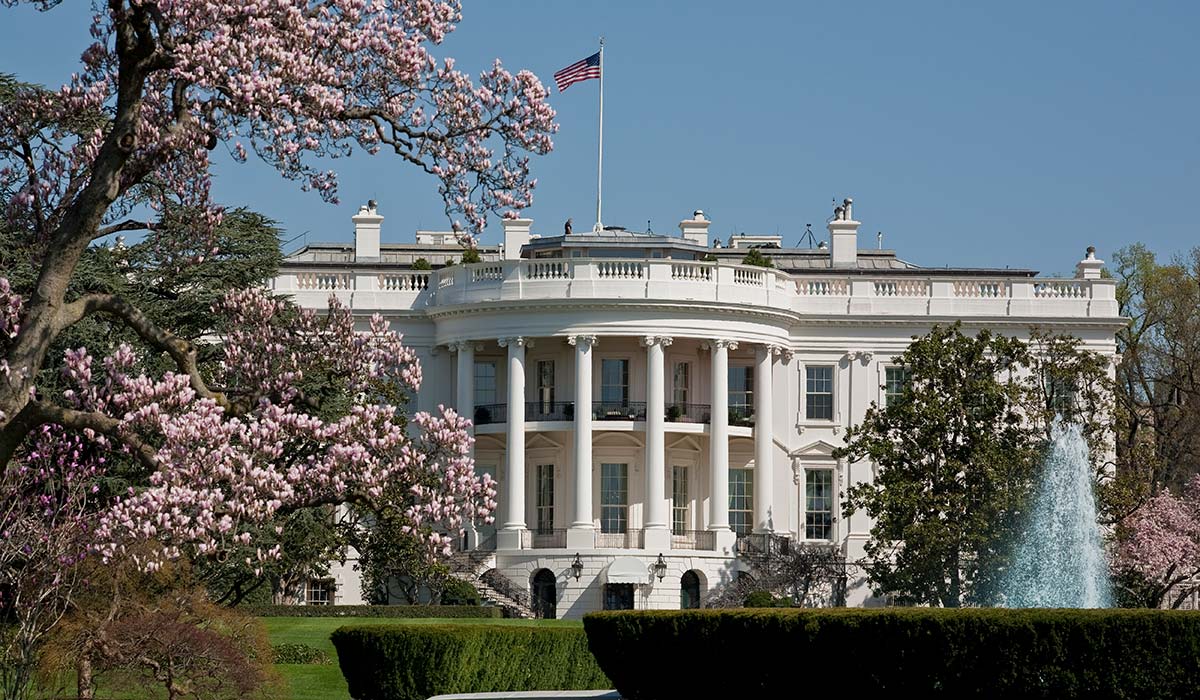
A 1998 poll conducted by Gallup and USA Today has resurfaced, revealing that Americans made remarkably accurate predictions about life in 2025. The survey involved over 1,000 participants who were asked to forecast developments in health, politics, and technology for the future. Given the socio-political landscape of 1998, when Bill Clinton faced impeachment and the world was captivated by blockbuster films like Titanic, these predictions provide an intriguing glimpse into the minds of Americans at the time.
Among the most striking forecasts was the belief that a new deadly disease would emerge, a prediction that eerily aligned with the global outbreak of Covid-19. A significant 75% of respondents anticipated such a health crisis would occur by 2025. This statistic reflects a growing concern about public health that resonates even more profoundly today.
In terms of social change, nearly three-quarters of Americans believed that same-sex marriage would become widely accepted by 2025. This prediction came to fruition when same-sex marriage was legalized across the United States in 2015. Additionally, 69% of those surveyed expected the nation to elect its first black president by 2025, a milestone achieved with the election of Barack Obama in 2008.
Shifts in Daily Life and Societal Norms
The poll also indicated a shift in consumer behavior, with many respondents speculating that physical shopping would diminish in favor of online retail. While not entirely accurate, the rise of e-commerce giants like Amazon—now one of the five largest companies in the United States—reflects a significant transformation in shopping habits. As of now, about 13.8% of US workers engage in remote work, indicating a partial alignment with those early predictions.
Moreover, the survey suggested that explicit drug use would become more prevalent. Data from the National Library of Medicine supports this claim, noting that marijuana usage has nearly quadrupled since 1998. Participants also anticipated that the United States would engage in a full-scale war, a prediction that materialized shortly thereafter with the invasion of Afghanistan in 2001.
Interestingly, many respondents felt that human cloning would remain largely theoretical, a notion that still holds today. They also speculated that space travel would be accessible only to the wealthy, a belief echoed by recent high-profile spaceflights involving billionaires such as Jeff Bezos.
Mixed Outcomes and Public Sentiment
Despite the accuracy of several predictions, there were notable misjudgments. A majority of respondents believed the United States would elect a female president by 2025, a milestone that has yet to be achieved. Additionally, many thought that significant illnesses, including cancer and AIDS, would be eradicated by now—an expectation that remains unfulfilled.
A striking indicator of societal change is the drop in national satisfaction over the past two decades. In 1998, 60% of Americans expressed contentment with the country’s direction, a figure that has plummeted to 25% today. This decline underscores a growing sense of disillusionment that contrasts sharply with the optimism of the past.
The 1998 Gallup poll serves as a fascinating reflection of societal expectations and anxieties that have played out over the past 25 years. As the world moves toward 2025, it invites us to consider not only where we have been but also how far we have yet to go.

Mother Reveals Daughter’s Meningitis Seizure After Night Out

Major Oil Spill Disrupts Traffic in Donegal on March 16, 2026

Discovering Literature: The Joys of Rejoining a Public Library

Ted Season 2 Announced: Release Date & Trailer Updates Revealed

Research Ireland and UKRI Forge New Collaboration Agreement

David McGoldrick’s Impressive Scoring Streak Sparks World Cup Talk

Plane Crash Claims Lives of Publishing Heir, Pregnant Wife, and Pilot

Oscars Snub Brigitte Bardot Sparks Controversy Over In Memoriam

Meta Plans Major Layoffs to Offset Rising AI Investment Costs

Tributes Surge for 9-Year-Old Leon Briody After Cancer Battle

Aimee Osbourne Joins Family for Emotional Tribute to Ozzy

Danny Healy-Rae Considers Complaint After Altercation with Garda

Hawaii Commemorates 80 Years Since Hiroshima Bombing with Ceremony

Ireland Enjoys Summer Heat as Hurricane Erin Approaches Atlantic

Couple Convicted of Murdering Two-Year-Old Grandson in Wales

Gaza Aid Distribution Tragedy: 20 Killed Amid Ongoing Violence

Newcastle West Woman Patricia Foley Found Safe After Urgent Search

Fianna Fáil TDs Urgently Consider Maire Geoghegan-Quinn for Presidency
-
 Top Stories11 months ago
Tributes Surge for 9-Year-Old Leon Briody After Cancer Battle
-
 Entertainment1 year ago
Aimee Osbourne Joins Family for Emotional Tribute to Ozzy
-
 Politics1 year ago
Danny Healy-Rae Considers Complaint After Altercation with Garda
-
 World1 year ago
Hawaii Commemorates 80 Years Since Hiroshima Bombing with Ceremony
-
 Top Stories12 months ago
Ireland Enjoys Summer Heat as Hurricane Erin Approaches Atlantic
-
 World1 year ago
Couple Convicted of Murdering Two-Year-Old Grandson in Wales
-
 World1 year ago
Gaza Aid Distribution Tragedy: 20 Killed Amid Ongoing Violence
-
 Top Stories11 months ago
Newcastle West Woman Patricia Foley Found Safe After Urgent Search
-
 Top Stories1 year ago
Fianna Fáil TDs Urgently Consider Maire Geoghegan-Quinn for Presidency
-

 World1 year ago
Aristocrat Constance Marten and Partner Convicted of Infant Murder
-

 Top Stories12 months ago
Climbing Errigal: A Must-Do Summer Adventure in Donegal
-

 Top Stories12 months ago
Hike Donegal’s Errigal Mountain NOW for Unforgettable Summer Views