
Science
Archaeologists Uncover Largest Cluster of Prehistoric Houses in Ireland

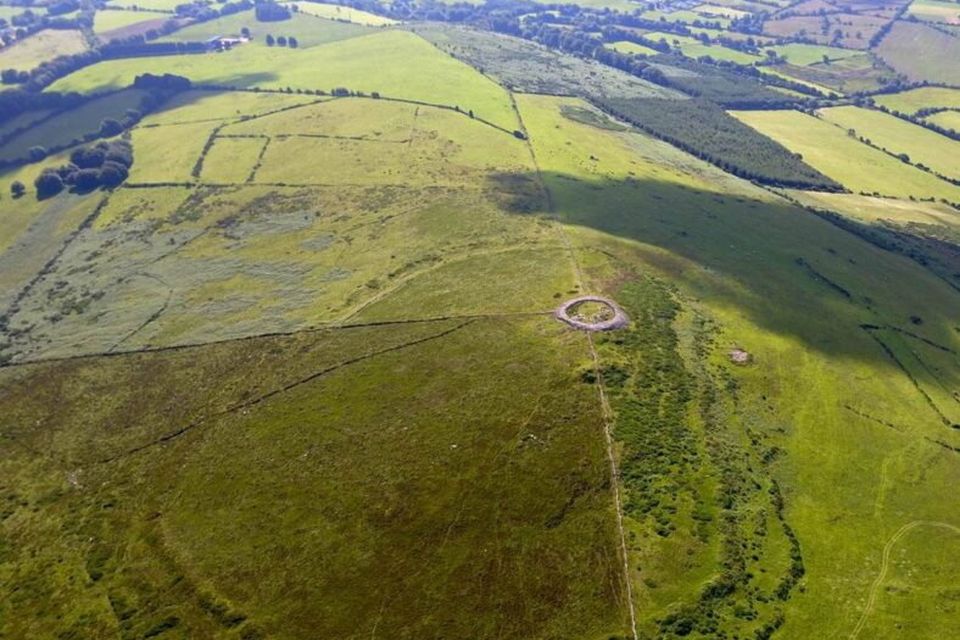
Archaeologists have discovered what may be the largest cluster of prehistoric houses ever found in Britain and Ireland. This significant find, located in Co Wicklow, reveals evidence of over 600 houses that existed during the late Bronze Age and early Iron Age periods, specifically between 3700-800 BC. This surpasses the previous record held by the Mullaghfarna site in Co Sligo, which contained more than 150 houses from the middle Stone Age and Bronze Age.
The excavation site is part of the Baltinglass hillfort cluster, which features up to 13 large hilltop enclosures spread across a series of hills at the south-western edge of the Wicklow Mountains. Researchers from Cambridge University have noted that the area shows signs of continuous use and monumental construction spanning from the Early Neolithic through to the Bronze Age.
Significance of the Findings
Among the discoveries is a notable structure known as the Brusselstown Ring. Airborne surveys indicate that this enclosure may include over 600 suspected house platforms, with 98 located within the inner enclosure and the remaining 509 situated between the inner and outer elements. This finding establishes it as the largest clustered hillfort settlement recorded in both prehistoric Ireland and Britain.
According to Cherie Edwards, a lead researcher on the study published in the journal Antiquity, this site, along with a few other nucleated settlements on hilltops, appears to have developed around 1200 BC. The implications of this discovery suggest that the evolution of early city life in northern Europe could have begun nearly 500 years earlier than previously recognized.
Research Methodology and Discoveries
The excavation involved positioning trenches deliberately over house platforms of varying sizes, ranging from six to 12 metres in diameter, to explore potential links between house size and social stratification. Dr. Edwards emphasized that the settlement, dated to the Late Bronze Age and Early Iron Age (approximately 1193-410 BC), represents a high-density living environment characterized by a significant number of dwellings.
Additionally, archaeologists uncovered a unique structure near one of the trenches, featuring a flat interior bordered by large stones. Previous surveys suggested that a stream may have flowed into this structure from an uphill source. Researchers suspect this could represent a Bronze and Iron Age water cistern, potentially the first of its kind discovered in an Irish hillfort.
The findings from Co Wicklow not only enrich our understanding of prehistoric habitation but also raise intriguing questions about the social and architectural dynamics of early communities in this region. As excavations continue, further insights into this remarkable site are anticipated, shedding light on the lives of those who inhabited these ancient structures.

Mother Reveals Daughter’s Meningitis Seizure After Night Out

Major Oil Spill Disrupts Traffic in Donegal on March 16, 2026

Discovering Literature: The Joys of Rejoining a Public Library

Ted Season 2 Announced: Release Date & Trailer Updates Revealed

Research Ireland and UKRI Forge New Collaboration Agreement

David McGoldrick’s Impressive Scoring Streak Sparks World Cup Talk

Plane Crash Claims Lives of Publishing Heir, Pregnant Wife, and Pilot

Oscars Snub Brigitte Bardot Sparks Controversy Over In Memoriam

Meta Plans Major Layoffs to Offset Rising AI Investment Costs

Tributes Surge for 9-Year-Old Leon Briody After Cancer Battle

Aimee Osbourne Joins Family for Emotional Tribute to Ozzy

Danny Healy-Rae Considers Complaint After Altercation with Garda

Hawaii Commemorates 80 Years Since Hiroshima Bombing with Ceremony

Ireland Enjoys Summer Heat as Hurricane Erin Approaches Atlantic

Couple Convicted of Murdering Two-Year-Old Grandson in Wales

Gaza Aid Distribution Tragedy: 20 Killed Amid Ongoing Violence

Newcastle West Woman Patricia Foley Found Safe After Urgent Search

Fianna Fáil TDs Urgently Consider Maire Geoghegan-Quinn for Presidency
-
 Top Stories11 months ago
Tributes Surge for 9-Year-Old Leon Briody After Cancer Battle
-
 Entertainment12 months ago
Aimee Osbourne Joins Family for Emotional Tribute to Ozzy
-
 Politics12 months ago
Danny Healy-Rae Considers Complaint After Altercation with Garda
-
 World1 year ago
Hawaii Commemorates 80 Years Since Hiroshima Bombing with Ceremony
-
 Top Stories11 months ago
Ireland Enjoys Summer Heat as Hurricane Erin Approaches Atlantic
-
 World1 year ago
Couple Convicted of Murdering Two-Year-Old Grandson in Wales
-
 World1 year ago
Gaza Aid Distribution Tragedy: 20 Killed Amid Ongoing Violence
-
 Top Stories11 months ago
Newcastle West Woman Patricia Foley Found Safe After Urgent Search
-
 Top Stories1 year ago
Fianna Fáil TDs Urgently Consider Maire Geoghegan-Quinn for Presidency
-

 World1 year ago
Aristocrat Constance Marten and Partner Convicted of Infant Murder
-

 Top Stories12 months ago
Climbing Errigal: A Must-Do Summer Adventure in Donegal
-

 Top Stories12 months ago
Hike Donegal’s Errigal Mountain NOW for Unforgettable Summer Views