
Science
DNA Research Disproves Myths About Irish Celtic Ancestry

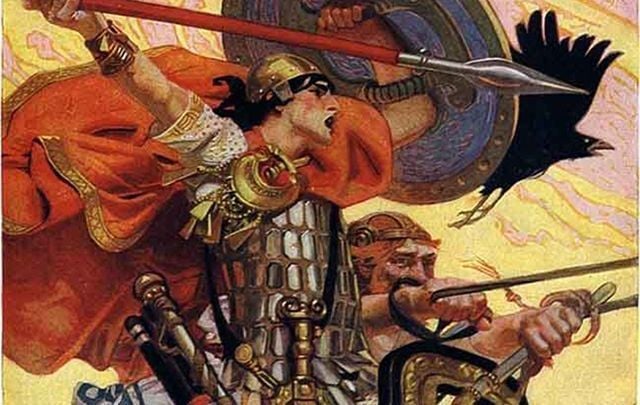
Recent advancements in DNA research have challenged long-standing beliefs about the origins of the Irish people, particularly regarding their connection to the Celts. New findings suggest that the story of the Celts, including the legendary figure of Milesius, may not be as straightforward as traditionally believed.
Revisiting Irish Ancestry
For generations, it has been widely accepted that the Irish are descendants of the Celts, with the mythological Milesius often portrayed as their founding figure. However, scientific studies are revealing that Ireland was settled far earlier than the arrival of the Celts, with evidence indicating that the first inhabitants were survivors from the last Ice Age approximately 10,000 years ago. These early settlers likely originated from northwest Spain, rather than from the Celtic migrations that are commonly referenced in historical narratives.
Genetic data show that the closest DNA matches for the Irish population can be found among the Basques, a group from the northern region of Spain. This connection has led researchers to propose that the Irish and Basque people share a deep ancestral bond, complicating the narrative of Celtic origins.
The contemporary understanding of how these early inhabitants reached Ireland posits that they arrived by boat, as the island was settled later than Britain, which had a land connection to the continent. Contrary to previous beliefs, these early settlers did not come from Scotland but rather from the Basque Country, aligning with some of the ancient legends that mention Spanish roots.
Implications for Genealogy
These revelations invite a reconsideration of Irish genealogy. As research continues to unfold, it appears that the Basque people may represent the earliest ancestors of modern Irish citizens. This insight provides a new starting point for individuals interested in tracing their family histories.
For those intrigued by the myths and legends of the Celts, several texts offer valuable perspectives. One notable work is the “Book of Invasions,” an ancient text that discusses the settlement of Ireland and claims descent from Spain. This historical document highlights the longstanding belief in a Spanish origin, which is now supported by genetic evidence.
In light of these findings, the pursuit of family history for those of Irish descent may become a more straightforward endeavor. As the narrative of Irish ancestry evolves, it underscores the importance of scientific research in rediscovering cultural identities.
As the field of genetics continues to grow, the stories of our ancestors may become clearer, revealing the intricate tapestry of human history that connects us all. For more insights into Irish heritage, resources such as IrishRoots.com provide extensive information on family history research.
The implications of these discoveries are significant, as they not only reshape our understanding of Irish identity but also illustrate the evolving nature of historical narratives in light of modern science.

Mother Reveals Daughter’s Meningitis Seizure After Night Out

Major Oil Spill Disrupts Traffic in Donegal on March 16, 2026

Discovering Literature: The Joys of Rejoining a Public Library

Ted Season 2 Announced: Release Date & Trailer Updates Revealed

Research Ireland and UKRI Forge New Collaboration Agreement

David McGoldrick’s Impressive Scoring Streak Sparks World Cup Talk

Plane Crash Claims Lives of Publishing Heir, Pregnant Wife, and Pilot

Oscars Snub Brigitte Bardot Sparks Controversy Over In Memoriam

Meta Plans Major Layoffs to Offset Rising AI Investment Costs

Tributes Surge for 9-Year-Old Leon Briody After Cancer Battle

Aimee Osbourne Joins Family for Emotional Tribute to Ozzy

Danny Healy-Rae Considers Complaint After Altercation with Garda

Hawaii Commemorates 80 Years Since Hiroshima Bombing with Ceremony

Ireland Enjoys Summer Heat as Hurricane Erin Approaches Atlantic

Couple Convicted of Murdering Two-Year-Old Grandson in Wales

Gaza Aid Distribution Tragedy: 20 Killed Amid Ongoing Violence

Newcastle West Woman Patricia Foley Found Safe After Urgent Search

Fianna Fáil TDs Urgently Consider Maire Geoghegan-Quinn for Presidency
-
 Top Stories11 months ago
Tributes Surge for 9-Year-Old Leon Briody After Cancer Battle
-
 Entertainment1 year ago
Aimee Osbourne Joins Family for Emotional Tribute to Ozzy
-
 Politics1 year ago
Danny Healy-Rae Considers Complaint After Altercation with Garda
-
 World1 year ago
Hawaii Commemorates 80 Years Since Hiroshima Bombing with Ceremony
-
 Top Stories12 months ago
Ireland Enjoys Summer Heat as Hurricane Erin Approaches Atlantic
-
 World1 year ago
Couple Convicted of Murdering Two-Year-Old Grandson in Wales
-
 World1 year ago
Gaza Aid Distribution Tragedy: 20 Killed Amid Ongoing Violence
-
 Top Stories11 months ago
Newcastle West Woman Patricia Foley Found Safe After Urgent Search
-
 Top Stories1 year ago
Fianna Fáil TDs Urgently Consider Maire Geoghegan-Quinn for Presidency
-

 World1 year ago
Aristocrat Constance Marten and Partner Convicted of Infant Murder
-

 Top Stories12 months ago
Climbing Errigal: A Must-Do Summer Adventure in Donegal
-

 Top Stories12 months ago
Hike Donegal’s Errigal Mountain NOW for Unforgettable Summer Views