
Science
Genetic Study Links Irish Giants to Ancient Ancestry

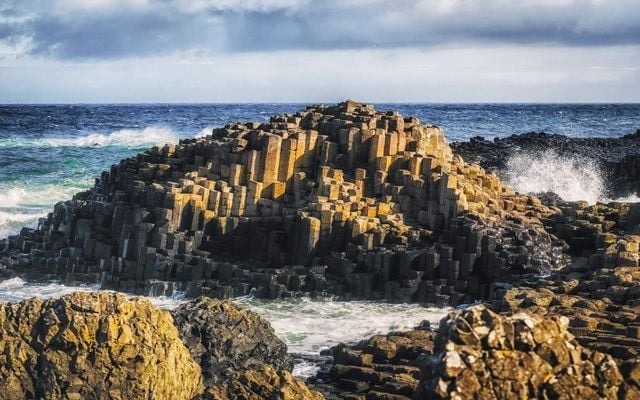
New genetic research has unveiled a potential explanation for the legends of giants in Irish folklore. A collaborative study, led by Barts and the London School of Medicine and Dentistry and Queen Mary University of London, alongside institutions such as the University of Exeter, Belfast, Dublin, and University College London, has identified a genetic mutation linked to gigantism in Irish patients.
The research focused on individuals with acromegaly, a hormonal disorder that can lead to abnormal growth. By examining DNA samples from the general public, the team uncovered a significant presence of the AIP mutation (R304*) in Northern Ireland, particularly in the Mid-Ulster area. Remarkably, the data suggests that the identified carriers—comprising 18 families and 81 individuals—descend from a common ancestor who lived approximately 2,500 years ago.
Among the 81 carriers studied, 31 individuals developed acromegaly, with over half of these cases resulting in gigantism—specifically, 18 patients, or 58%. The researchers emphasized the clinical implications of their findings. “We can now screen family members, and carriers can be monitored to detect the disease early,” they noted. Their larger study revealed that 24% of seemingly unaffected carriers showed early signs of acromegaly, leading to immediate medical intervention for some.
Irish Folklore and Genetic Links
The implications of this research extend beyond medical science, potentially offering a scientific basis for the numerous Gaelic myths surrounding giants in Ireland. The Giant’s Causeway and other local legends are intricately linked to tales of giants, and the findings of this study may provide a modern context for such stories.
Historical accounts highlight notable figures, including Charles Byrne, whose skeleton is housed in the Hunterian Museum in London. Genetic testing revealed that he, too, carried the R304* mutation. Historical records indicate that many giants lived in the region, with examples including Mary Murphy, known as the ‘Portrush Giantess’, and James Kirkland, one of the ‘Potsdam Giants’.
Professor Sian Ellard from the University of Exeter Medical School, a collaborator in the research, remarked, “Irish folklore contains numerous giants’ stories, and the remains of some of these individuals have been studied previously. Our data provides an explanation for observations made by pioneering anthropologist James C. Prichard in 1826.”
Prichard noted, “In Ireland, men of uncommon stature are often seen, and even a gigantic form and stature occur there much more frequently than in this island [Britain].” The researchers assert that their findings align with Prichard’s conclusions, suggesting a unique genetic predisposition among the Irish population.
Future Implications for Health and Research
Importantly, the researchers predict that there may be as many as 436 undiagnosed carriers and 86 individuals with acromegaly currently living in Ireland or among those with Irish ancestry. This presents an opportunity to prevent the onset of gigantism and mitigate the associated health risks linked to this condition.
The study not only sheds light on the heritage of physical giants in Irish culture but also serves as a vital step forward in understanding and managing acromegaly. By combining folklore with genetic research, this collaboration has opened new avenues for both historical inquiry and medical advancements.

Mother Reveals Daughter’s Meningitis Seizure After Night Out

Major Oil Spill Disrupts Traffic in Donegal on March 16, 2026

Discovering Literature: The Joys of Rejoining a Public Library

Ted Season 2 Announced: Release Date & Trailer Updates Revealed

Research Ireland and UKRI Forge New Collaboration Agreement

David McGoldrick’s Impressive Scoring Streak Sparks World Cup Talk

Plane Crash Claims Lives of Publishing Heir, Pregnant Wife, and Pilot

Oscars Snub Brigitte Bardot Sparks Controversy Over In Memoriam

Meta Plans Major Layoffs to Offset Rising AI Investment Costs

Tributes Surge for 9-Year-Old Leon Briody After Cancer Battle

Aimee Osbourne Joins Family for Emotional Tribute to Ozzy

Danny Healy-Rae Considers Complaint After Altercation with Garda

Hawaii Commemorates 80 Years Since Hiroshima Bombing with Ceremony

Ireland Enjoys Summer Heat as Hurricane Erin Approaches Atlantic

Couple Convicted of Murdering Two-Year-Old Grandson in Wales

Gaza Aid Distribution Tragedy: 20 Killed Amid Ongoing Violence

Newcastle West Woman Patricia Foley Found Safe After Urgent Search

Fianna Fáil TDs Urgently Consider Maire Geoghegan-Quinn for Presidency
-
 Top Stories11 months ago
Tributes Surge for 9-Year-Old Leon Briody After Cancer Battle
-
 Entertainment12 months ago
Aimee Osbourne Joins Family for Emotional Tribute to Ozzy
-
 Politics1 year ago
Danny Healy-Rae Considers Complaint After Altercation with Garda
-
 World1 year ago
Hawaii Commemorates 80 Years Since Hiroshima Bombing with Ceremony
-
 Top Stories12 months ago
Ireland Enjoys Summer Heat as Hurricane Erin Approaches Atlantic
-
 World1 year ago
Couple Convicted of Murdering Two-Year-Old Grandson in Wales
-
 World1 year ago
Gaza Aid Distribution Tragedy: 20 Killed Amid Ongoing Violence
-
 Top Stories11 months ago
Newcastle West Woman Patricia Foley Found Safe After Urgent Search
-
 Top Stories1 year ago
Fianna Fáil TDs Urgently Consider Maire Geoghegan-Quinn for Presidency
-

 World1 year ago
Aristocrat Constance Marten and Partner Convicted of Infant Murder
-

 Top Stories12 months ago
Climbing Errigal: A Must-Do Summer Adventure in Donegal
-

 Top Stories12 months ago
Hike Donegal’s Errigal Mountain NOW for Unforgettable Summer Views