
Science
Ireland Launches Groundbreaking Trials for Chronic Pain Relief

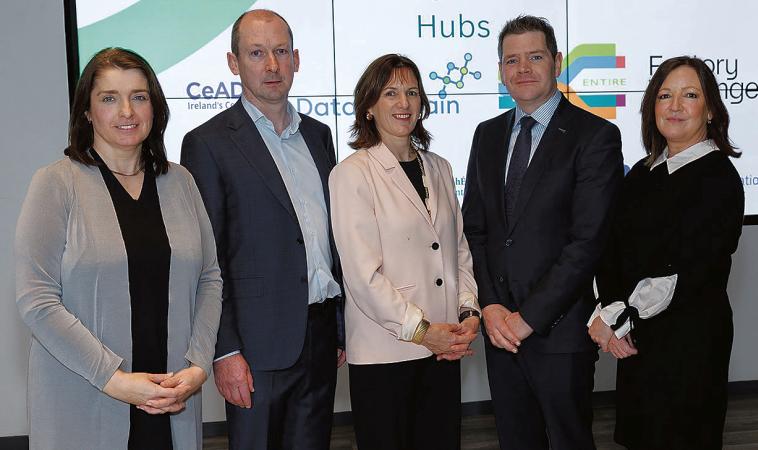
A consortium comprising MedTech and digital healthcare companies, alongside academic researchers, has initiated a series of pioneering clinical trials in Ireland aimed at providing long-term relief for individuals suffering from chronic musculoskeletal pain. This initiative, known as the RECAP project (Resorbable Embolization for Chronic Musculoskeletal Pain), has received a significant boost with a €6.6 million investment from the government, as announced by Peter Burke, Minister for Enterprise, Trade and Employment.
The partnership includes notable entities such as CrannMed, Salaso Health Solutions, the University of Galway’s Institute for Clinical Trials, and the RCSI University of Medicine and Health Sciences. The funding is part of a broader initiative from the Disruptive Technologies Innovation Fund, which aims to support cutting-edge projects within the healthcare sector.
This innovative trial program will explore the efficacy of two complementary technologies designed to enhance patient outcomes. The first trial involves administering an injection that selectively blocks blood flow to the painful site, thereby reducing inflammation and addressing the underlying nerve activity that contributes to chronic pain. Following this, patients will engage in a structured recovery process focused on strengthening and enhancing the resilience of their musculoskeletal tissues.
In the second trial phase, participants will utilize an AI-enabled self-management platform that provides real-time support during their recovery. This dual approach not only aims to alleviate immediate pain but also fosters long-term recovery and resilience, potentially transforming the landscape of chronic pain treatment.
The collaborative effort has been met with enthusiasm from key figures in the consortium. Liam Farrissey, Chief Executive Officer of CrannMed, expressed pride in assembling a high-quality consortium within the Irish ecosystem. He stated, “The consortium covers development, manufacture, clinical validation, and AI-enabled patient engagement, all from world-class teams operating in the country. If we are successful, it can pave the way to change the way we treat chronic pain.”
Moreover, Aoife Ní Mhuirí, CEO of Salaso, highlighted the advantages of local treatment accessibility, which could save time and resources for both patients and the healthcare system. She noted, “The approach is more sustainable, more accessible for patients, and has the potential to set a new global standard for pain management.”
Professor Fidelma Dunne, Director of the Institute for Clinical Trials at the University of Galway, added that the project could revolutionize treatments for chronic joint and muscle pain. “The innovative treatment and clinical trial will enable patients to get effective, long-term pain relief from chronic pain without surgery or addictive drugs,” she stated.
The University of Galway’s Institute for Clinical Trials plays a crucial role in leading the project, focusing on clinical trial design, coordination, and delivery. The consortium anticipates that the combined benefits of the new treatments and technologies will significantly outperform current standards of care, such as steroid injections, which are commonly used for chronic musculoskeletal pain conditions.
As these world-first trials commence, the potential impact on chronic pain management could extend far beyond Ireland, setting a precedent for future healthcare innovations globally.

Mother Reveals Daughter’s Meningitis Seizure After Night Out

Major Oil Spill Disrupts Traffic in Donegal on March 16, 2026

Discovering Literature: The Joys of Rejoining a Public Library

Ted Season 2 Announced: Release Date & Trailer Updates Revealed

Research Ireland and UKRI Forge New Collaboration Agreement

David McGoldrick’s Impressive Scoring Streak Sparks World Cup Talk

Plane Crash Claims Lives of Publishing Heir, Pregnant Wife, and Pilot

Oscars Snub Brigitte Bardot Sparks Controversy Over In Memoriam

Meta Plans Major Layoffs to Offset Rising AI Investment Costs

Tributes Surge for 9-Year-Old Leon Briody After Cancer Battle

Aimee Osbourne Joins Family for Emotional Tribute to Ozzy

Danny Healy-Rae Considers Complaint After Altercation with Garda

Hawaii Commemorates 80 Years Since Hiroshima Bombing with Ceremony

Ireland Enjoys Summer Heat as Hurricane Erin Approaches Atlantic

Couple Convicted of Murdering Two-Year-Old Grandson in Wales

Gaza Aid Distribution Tragedy: 20 Killed Amid Ongoing Violence

Newcastle West Woman Patricia Foley Found Safe After Urgent Search

Fianna Fáil TDs Urgently Consider Maire Geoghegan-Quinn for Presidency
-
 Top Stories11 months ago
Tributes Surge for 9-Year-Old Leon Briody After Cancer Battle
-
 Entertainment1 year ago
Aimee Osbourne Joins Family for Emotional Tribute to Ozzy
-
 Politics1 year ago
Danny Healy-Rae Considers Complaint After Altercation with Garda
-
 World1 year ago
Hawaii Commemorates 80 Years Since Hiroshima Bombing with Ceremony
-
 Top Stories12 months ago
Ireland Enjoys Summer Heat as Hurricane Erin Approaches Atlantic
-
 World1 year ago
Couple Convicted of Murdering Two-Year-Old Grandson in Wales
-
 World1 year ago
Gaza Aid Distribution Tragedy: 20 Killed Amid Ongoing Violence
-
 Top Stories11 months ago
Newcastle West Woman Patricia Foley Found Safe After Urgent Search
-
 Top Stories1 year ago
Fianna Fáil TDs Urgently Consider Maire Geoghegan-Quinn for Presidency
-

 World1 year ago
Aristocrat Constance Marten and Partner Convicted of Infant Murder
-

 Top Stories12 months ago
Climbing Errigal: A Must-Do Summer Adventure in Donegal
-

 Top Stories12 months ago
Hike Donegal’s Errigal Mountain NOW for Unforgettable Summer Views