
Science
Irish Researchers Critique Global Talent Initiative for US Academics

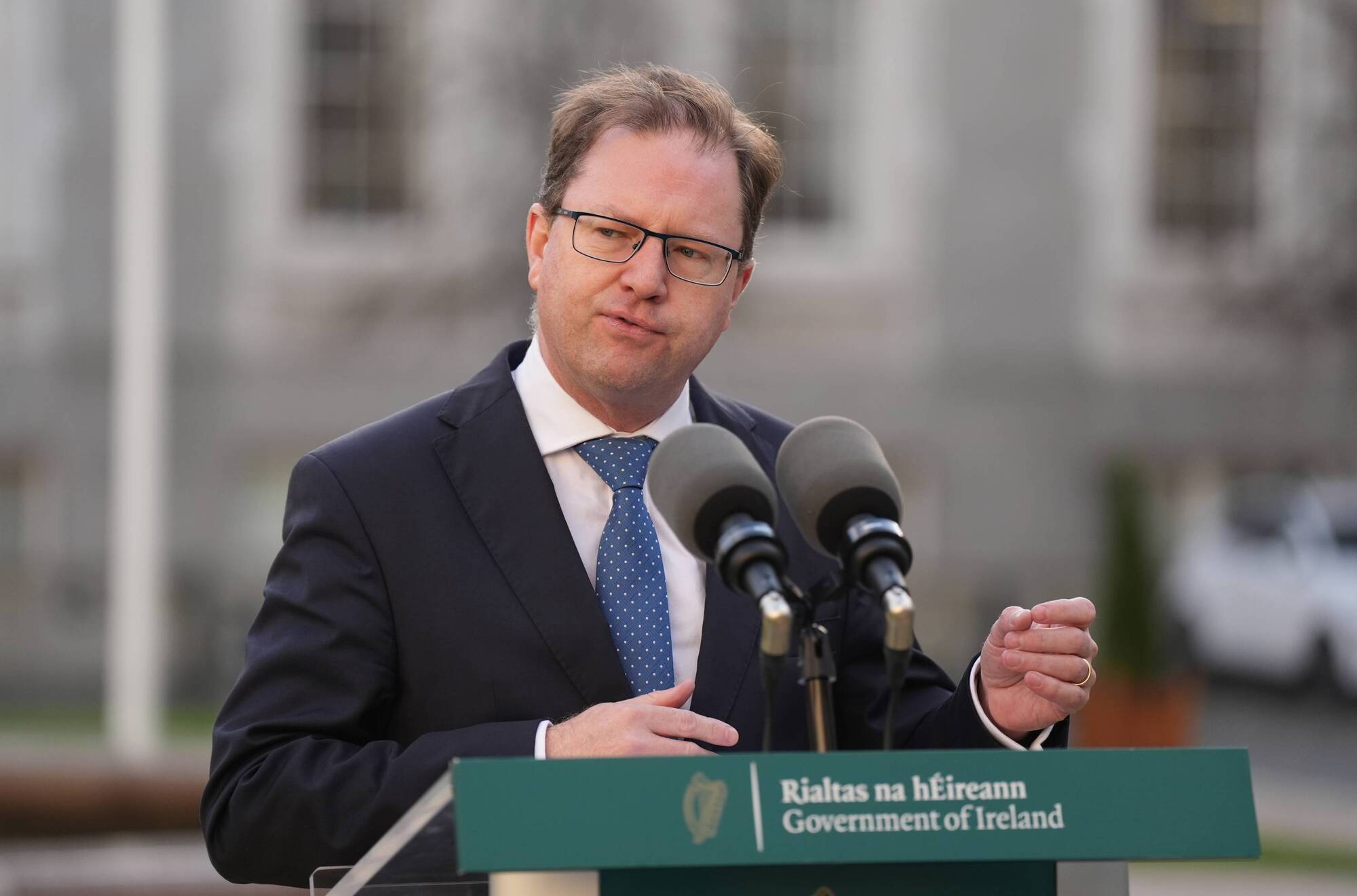
Concerns have emerged among Irish academics regarding the government’s efforts to attract US researchers through the newly launched Global Talent Initiative. Announced by James Lawless, Minister for Further and Higher Education, the initiative aims to draw “disillusioned” researchers from the United States amid the turmoil following Donald Trump‘s administration and its impact on academic institutions. With an initial budget of €8 million annually, the program is expected to support up to 15 researchers each year.
Criticism has surfaced from researchers in Ireland who feel the initiative is inappropriate given the ongoing challenges faced by local academics. In correspondence released under the Freedom of Information Act, some researchers described their disappointment with the initiative, highlighting their struggles with funding in their own projects. One academic expressed feeling “deeply disillusioned” by the announcement. They noted that despite their efforts to pursue research, they were unable to secure funding and had been placed on a reserve list, along with many talented colleagues.
Another researcher articulated their frustration in a letter to Minister Lawless, calling the initiative “one of the most misguided and insulting moves” from the department in recent years. They argued that while the initiative aims to capitalize on the misfortunes of US colleagues, it fails to address the inequalities faced by Irish academics, many of whom are on long-term low-paid contracts. This situation has left several researchers earning below poverty-level wages, even after decades of service.
The academic community in Ireland has been vocal about the need for reforms. One researcher pointed out that the vision of attracting global talent cannot be achieved without addressing systemic issues like precarious employment, inadequate salaries, and a lack of clear career pathways for existing researchers. They stated, “Your vision of attracting global talent here can only be meaningfully realised if accompanied by urgent reforms to address the deep-rooted challenges faced by researchers already working within the Irish research system.”
Concerns have also been raised regarding the operational aspects of the Global Talent Initiative. A UCC academic highlighted issues with the grant application process, stating that the turnaround time is too short and that there is a lack of clarity on how universities should conduct internal selections. This has led to a rushed process that leaves many staff feeling excluded and confused.
In response to these criticisms, the Minister’s office reiterated its commitment to supporting the Irish research base. They emphasized that the Global Talent Initiative is part of a “comprehensive and ambitious” strategy for research and innovation outlined in the government’s Programme for Government. Future progress is expected to be guided by several policies under Impact 2030.
As the Irish academic community grapples with its own set of challenges, the initiative to attract foreign talent raises questions about priorities and the need for a more equitable system for researchers already contributing to the country’s academic landscape.

Mother Reveals Daughter’s Meningitis Seizure After Night Out

Major Oil Spill Disrupts Traffic in Donegal on March 16, 2026

Discovering Literature: The Joys of Rejoining a Public Library

Ted Season 2 Announced: Release Date & Trailer Updates Revealed

Research Ireland and UKRI Forge New Collaboration Agreement

David McGoldrick’s Impressive Scoring Streak Sparks World Cup Talk

Plane Crash Claims Lives of Publishing Heir, Pregnant Wife, and Pilot

Oscars Snub Brigitte Bardot Sparks Controversy Over In Memoriam

Meta Plans Major Layoffs to Offset Rising AI Investment Costs

Tributes Surge for 9-Year-Old Leon Briody After Cancer Battle

Aimee Osbourne Joins Family for Emotional Tribute to Ozzy

Danny Healy-Rae Considers Complaint After Altercation with Garda

Hawaii Commemorates 80 Years Since Hiroshima Bombing with Ceremony

Ireland Enjoys Summer Heat as Hurricane Erin Approaches Atlantic

Couple Convicted of Murdering Two-Year-Old Grandson in Wales

Gaza Aid Distribution Tragedy: 20 Killed Amid Ongoing Violence

Newcastle West Woman Patricia Foley Found Safe After Urgent Search

Fianna Fáil TDs Urgently Consider Maire Geoghegan-Quinn for Presidency
-
 Top Stories11 months ago
Tributes Surge for 9-Year-Old Leon Briody After Cancer Battle
-
 Entertainment1 year ago
Aimee Osbourne Joins Family for Emotional Tribute to Ozzy
-
 Politics1 year ago
Danny Healy-Rae Considers Complaint After Altercation with Garda
-
 World1 year ago
Hawaii Commemorates 80 Years Since Hiroshima Bombing with Ceremony
-
 Top Stories12 months ago
Ireland Enjoys Summer Heat as Hurricane Erin Approaches Atlantic
-
 World1 year ago
Couple Convicted of Murdering Two-Year-Old Grandson in Wales
-
 World1 year ago
Gaza Aid Distribution Tragedy: 20 Killed Amid Ongoing Violence
-
 Top Stories11 months ago
Newcastle West Woman Patricia Foley Found Safe After Urgent Search
-
 Top Stories1 year ago
Fianna Fáil TDs Urgently Consider Maire Geoghegan-Quinn for Presidency
-

 World1 year ago
Aristocrat Constance Marten and Partner Convicted of Infant Murder
-

 Top Stories12 months ago
Climbing Errigal: A Must-Do Summer Adventure in Donegal
-

 Top Stories12 months ago
Hike Donegal’s Errigal Mountain NOW for Unforgettable Summer Views