
Science
New DNA Study Reveals Interbreeding Between Humans and Neanderthals

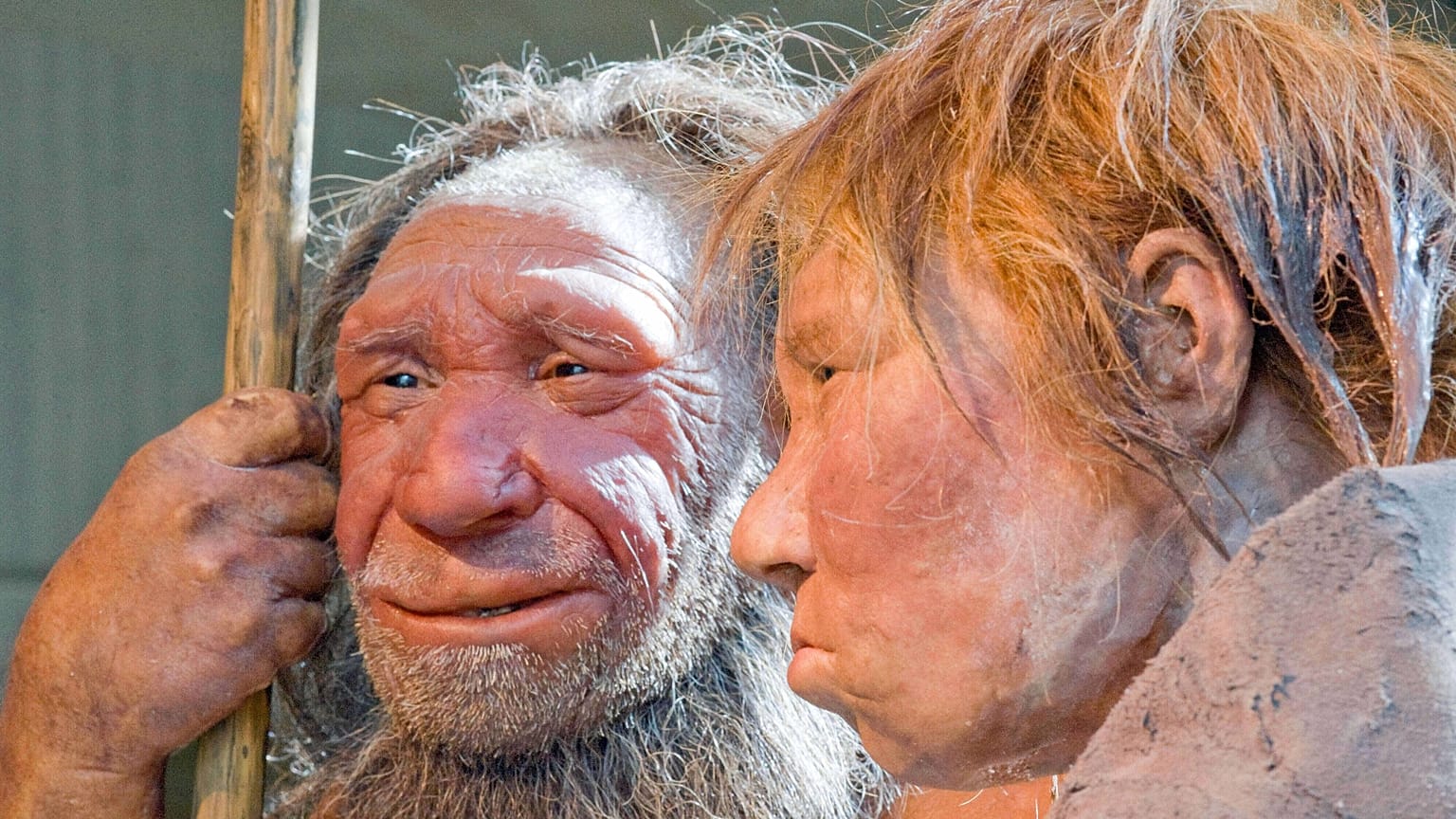
A recent study published in the journal Science has provided new insights into the interbreeding between modern humans and Neanderthals. Researchers, led by geneticist Alexander Platt from the University of Pennsylvania, analyzed ancient DNA to reveal that female humans preferentially mated with Neanderthal males. This research challenges existing notions about the interactions between these two groups, suggesting a more complex picture of their relationships.
The study indicates that whenever Neanderthals and modern humans mated, there was a consistent trend of male Neanderthals pairing with female modern humans. Platt pointed out the significance of this finding: “Whenever Neanderthals and modern humans have mated, there has been a preference for male Neanderthals and female modern humans, as opposed to the other way around.”
Understanding Human-Neanderthal Interactions
Evidence of Neanderthal interbreeding is present in the genomes of many modern humans, particularly those outside of sub-Saharan Africa. Geneticists have identified a small but noteworthy percentage of Neanderthal DNA in contemporary populations, with some genes providing resistance to diseases while others may increase susceptibility. However, the distribution of Neanderthal genes across the human genome has not been uniform, leading scientists to explore various hypotheses about these genetic patterns.
Previous theories suggested that certain Neanderthal genes might have been harmful and filtered out by the evolutionary process. To investigate further, Platt and his team focused on the Neanderthal genome and the human DNA that emerged from interbreeding events that occurred approximately 250,000 years ago. They proposed that mating behaviors played a crucial role in these genetic exchanges.
Genetic Evidence of Mating Preferences
The researchers noted that the way sex chromosomes are inherited provides insight into the mating dynamics of the two species. Genetic females possess two X chromosomes, while genetic males have one X and one Y chromosome. Statistically, this means that two out of every three X chromosomes in a population are inherited from mothers. If more human females engaged in mating with Neanderthal males than vice versa, the expected outcome would be an increased presence of human DNA in Neanderthal X chromosomes and a diminished presence in modern human X chromosomes.
This pattern of inheritance supports the conclusion that female humans actively contributed more to the genetic landscape of Neanderthals over generations. Such findings not only enhance our understanding of the social behaviors of our ancestors but also provide a clearer picture of how human evolution has been shaped by interspecies interactions.
The implications of this study extend beyond mere academic interest. Understanding the dynamics of early human and Neanderthal relationships can shed light on the complexities of human evolution and our shared history. As research continues to evolve, it will undoubtedly lead to further discoveries that reveal the intricate web of connections that define human ancestry.

Mother Reveals Daughter’s Meningitis Seizure After Night Out

Major Oil Spill Disrupts Traffic in Donegal on March 16, 2026

Discovering Literature: The Joys of Rejoining a Public Library

Ted Season 2 Announced: Release Date & Trailer Updates Revealed

Research Ireland and UKRI Forge New Collaboration Agreement

David McGoldrick’s Impressive Scoring Streak Sparks World Cup Talk

Plane Crash Claims Lives of Publishing Heir, Pregnant Wife, and Pilot

Oscars Snub Brigitte Bardot Sparks Controversy Over In Memoriam

Meta Plans Major Layoffs to Offset Rising AI Investment Costs

Tributes Surge for 9-Year-Old Leon Briody After Cancer Battle

Aimee Osbourne Joins Family for Emotional Tribute to Ozzy

Danny Healy-Rae Considers Complaint After Altercation with Garda

Hawaii Commemorates 80 Years Since Hiroshima Bombing with Ceremony

Ireland Enjoys Summer Heat as Hurricane Erin Approaches Atlantic

Couple Convicted of Murdering Two-Year-Old Grandson in Wales

Gaza Aid Distribution Tragedy: 20 Killed Amid Ongoing Violence

Newcastle West Woman Patricia Foley Found Safe After Urgent Search

Fianna Fáil TDs Urgently Consider Maire Geoghegan-Quinn for Presidency
-
 Top Stories10 months ago
Tributes Surge for 9-Year-Old Leon Briody After Cancer Battle
-
 Entertainment12 months ago
Aimee Osbourne Joins Family for Emotional Tribute to Ozzy
-
 Politics12 months ago
Danny Healy-Rae Considers Complaint After Altercation with Garda
-
 World1 year ago
Hawaii Commemorates 80 Years Since Hiroshima Bombing with Ceremony
-
 Top Stories11 months ago
Ireland Enjoys Summer Heat as Hurricane Erin Approaches Atlantic
-
 World1 year ago
Couple Convicted of Murdering Two-Year-Old Grandson in Wales
-
 World1 year ago
Gaza Aid Distribution Tragedy: 20 Killed Amid Ongoing Violence
-
 Top Stories10 months ago
Newcastle West Woman Patricia Foley Found Safe After Urgent Search
-
 Top Stories1 year ago
Fianna Fáil TDs Urgently Consider Maire Geoghegan-Quinn for Presidency
-

 World1 year ago
Aristocrat Constance Marten and Partner Convicted of Infant Murder
-

 Top Stories12 months ago
Climbing Errigal: A Must-Do Summer Adventure in Donegal
-

 Top Stories12 months ago
Hike Donegal’s Errigal Mountain NOW for Unforgettable Summer Views