
Science
Scientists Unveil AI Headset to Predict Epileptic Seizures

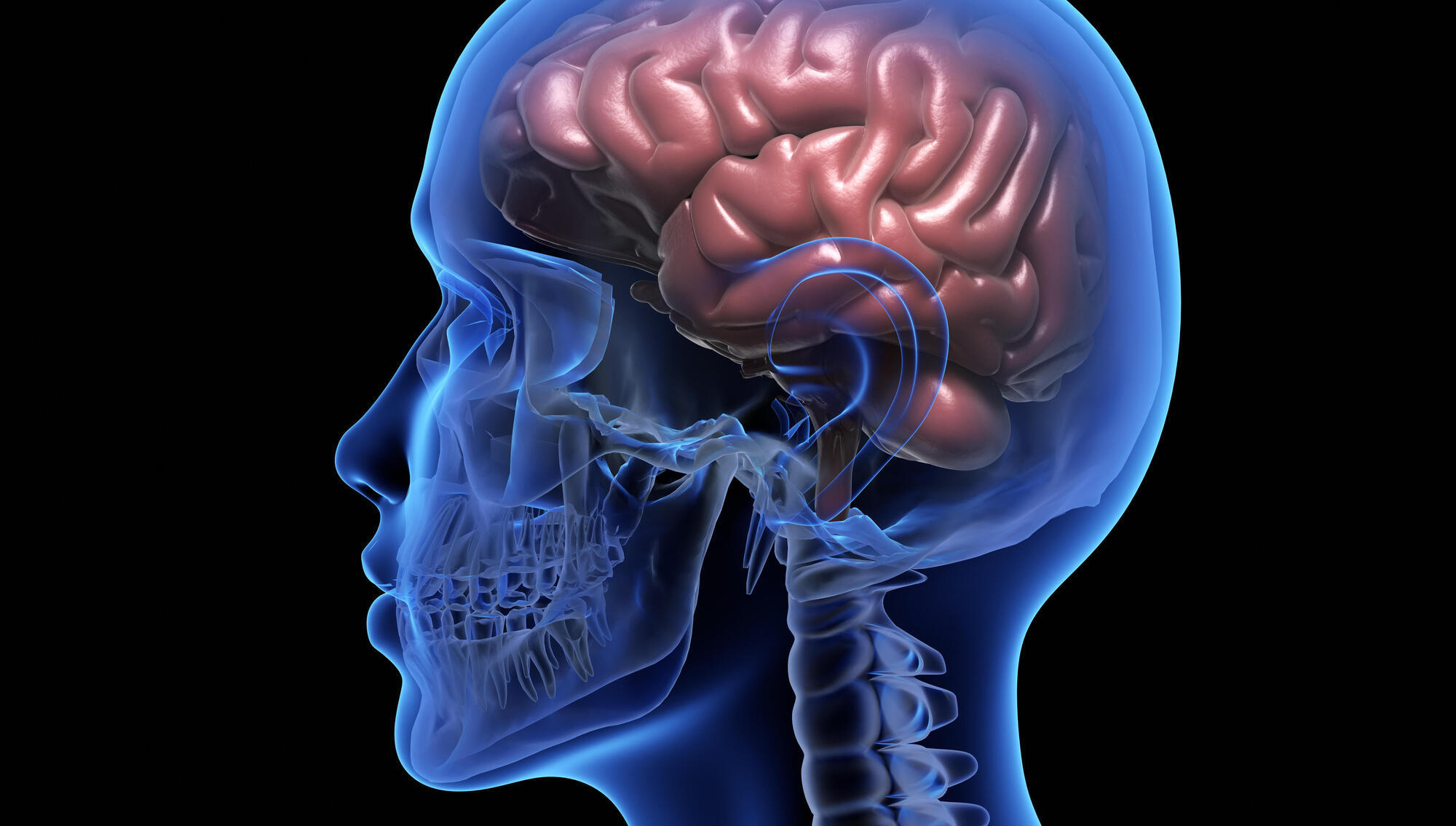
A team of scientists at Glasgow Caledonian University has developed an innovative AI-powered headset capable of predicting epileptic seizures minutes before they occur. This groundbreaking device aims to transform the management of epilepsy, offering individuals a chance to react before a seizure strikes. Currently, no comparable device exists that provides timely warnings to those living with epilepsy.
The headset operates by analyzing brainwaves and heart functions to detect early signs of an impending seizure. This advanced technology allows wearers to take necessary precautions or alert those around them, potentially preventing injuries linked to seizures. Professor Hadi Larijani, who leads the research team, emphasized the headset’s potential to enhance the confidence of individuals with epilepsy, stating that it could help them avoid secondary injuries.
“Providing even a few minutes’ warning could be life-changing,” Professor Larijani noted. He explained that the primary objective is to empower patients and their families, providing them with critical time to ensure safety and foster a more independent lifestyle. The team envisions the headset as a discreet, wireless device, similar in appearance to a cap, setting it apart from existing tools.
To develop this technology, the researchers trained the AI system using thousands of hours of historical data from electroencephalography and electrocardiography recordings. They also utilized a custom-made “phantom head,” to which electrodes were attached, mimicking real users. By learning to recognize subtle electrical and physiological patterns that occur prior to a seizure, the AI can issue timely alerts, providing crucial preparation time for patients and their families. The accuracy of the system reaches up to 95%, and the AI algorithm can indicate its confidence level regarding the likelihood of an imminent seizure.
In discussing the broader implications, Professor Larijani stated, “For families affected by epilepsy, even a brief warning means they can prevent injuries and reduce fear. That is the true measure of success for us.” The research team is currently refining the headset’s design to ensure it is suitable for children as well. While initial prototypes have relied on third-party hardware, the team aims to develop proprietary models in the future.
Due to necessary regulatory approvals, the headset is not expected to be widely available for several years. Nonetheless, the potential impact of this technology could significantly improve the quality of life for individuals with epilepsy, offering a new level of assurance in managing their condition.

Mother Reveals Daughter’s Meningitis Seizure After Night Out

Major Oil Spill Disrupts Traffic in Donegal on March 16, 2026

Discovering Literature: The Joys of Rejoining a Public Library

Ted Season 2 Announced: Release Date & Trailer Updates Revealed

Research Ireland and UKRI Forge New Collaboration Agreement

David McGoldrick’s Impressive Scoring Streak Sparks World Cup Talk

Plane Crash Claims Lives of Publishing Heir, Pregnant Wife, and Pilot

Oscars Snub Brigitte Bardot Sparks Controversy Over In Memoriam

Meta Plans Major Layoffs to Offset Rising AI Investment Costs

Tributes Surge for 9-Year-Old Leon Briody After Cancer Battle

Aimee Osbourne Joins Family for Emotional Tribute to Ozzy

Danny Healy-Rae Considers Complaint After Altercation with Garda

Hawaii Commemorates 80 Years Since Hiroshima Bombing with Ceremony

Ireland Enjoys Summer Heat as Hurricane Erin Approaches Atlantic

Couple Convicted of Murdering Two-Year-Old Grandson in Wales

Gaza Aid Distribution Tragedy: 20 Killed Amid Ongoing Violence

Newcastle West Woman Patricia Foley Found Safe After Urgent Search

Fianna Fáil TDs Urgently Consider Maire Geoghegan-Quinn for Presidency
-
 Top Stories11 months ago
Tributes Surge for 9-Year-Old Leon Briody After Cancer Battle
-
 Entertainment12 months ago
Aimee Osbourne Joins Family for Emotional Tribute to Ozzy
-
 Politics1 year ago
Danny Healy-Rae Considers Complaint After Altercation with Garda
-
 World1 year ago
Hawaii Commemorates 80 Years Since Hiroshima Bombing with Ceremony
-
 Top Stories12 months ago
Ireland Enjoys Summer Heat as Hurricane Erin Approaches Atlantic
-
 World1 year ago
Couple Convicted of Murdering Two-Year-Old Grandson in Wales
-
 World1 year ago
Gaza Aid Distribution Tragedy: 20 Killed Amid Ongoing Violence
-
 Top Stories11 months ago
Newcastle West Woman Patricia Foley Found Safe After Urgent Search
-
 Top Stories1 year ago
Fianna Fáil TDs Urgently Consider Maire Geoghegan-Quinn for Presidency
-

 World1 year ago
Aristocrat Constance Marten and Partner Convicted of Infant Murder
-

 Top Stories12 months ago
Climbing Errigal: A Must-Do Summer Adventure in Donegal
-

 Top Stories12 months ago
Hike Donegal’s Errigal Mountain NOW for Unforgettable Summer Views