
Science
Trump’s Proposed Science Funding Cuts Raise Concerns in Ireland

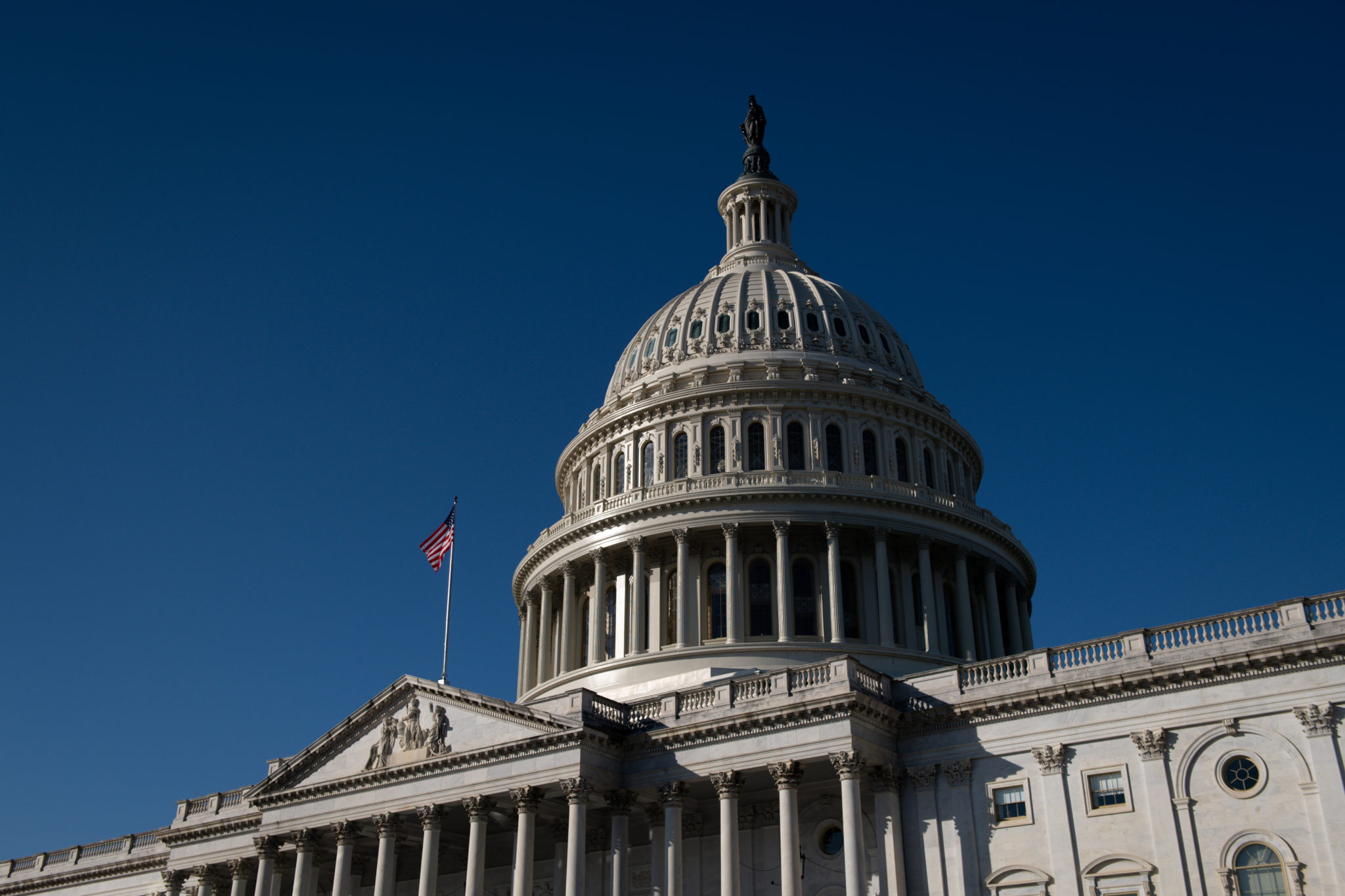
Proposed cuts to the scientific budget by former President Donald Trump have sparked significant concern among Irish researchers and health advocates. The White House suggested reducing federal funding for science from $198 billion (€165 billion) to $154 billion (€129 billion), marking the largest reduction since the Second World War. This drastic proposal has raised alarms about the future of vital medical research, especially as it relates to diseases that affect many individuals, including cancer and Alzheimer’s.
In a recent discussion on The Pat Kenny Show, Luke O’Neill, a professor at Trinity College Dublin, emphasized the implications of these cuts for public health in Ireland. He stated that nearly “everybody gets cancer or Alzheimer’s at some point in their lives,” underscoring the universal relevance of scientific research. O’Neill noted that Congressional Republicans have started to resist the proposed budget cuts, suggesting a shift in their perspective on the importance of scientific funding.
The US Senate Appropriations Committee has since introduced bills that would reduce funding to $188 billion (€157 billion), a much smaller decrease than originally proposed by the Trump Administration. O’Neill attributed this pushback to effective lobbying efforts from various disease advocacy groups. He described a coalition of over one hundred organizations, collectively known as the United for Cures Organization, which mobilized to advocate for continued funding for medical research.
“They began a massive lobbying campaign,” O’Neill explained. “Emails, phone calls, and visits to Republican Congressmen’s offices were part of their strategy, along with a significant digital advertising campaign aimed at highlighting the importance of medical research.” He noted that this grassroots effort played a crucial role in influencing lawmakers, even those who may not fully grasp the complexities of scientific funding.
Despite these efforts, O’Neill cautioned that potential government shutdowns could still threaten ongoing scientific work. “If funding is halted, it could take longer to resume projects,” he warned. “Researchers are hoping for continuous funding to ensure progress in vital areas of study.”
As discussions continue regarding the future of scientific funding in the United States, the implications for Ireland and beyond remain significant. The outcome of these debates will affect not only researchers but also the millions who rely on advancements in medical science for better health outcomes.

Mother Reveals Daughter’s Meningitis Seizure After Night Out

Major Oil Spill Disrupts Traffic in Donegal on March 16, 2026

Discovering Literature: The Joys of Rejoining a Public Library

Ted Season 2 Announced: Release Date & Trailer Updates Revealed

Research Ireland and UKRI Forge New Collaboration Agreement

David McGoldrick’s Impressive Scoring Streak Sparks World Cup Talk

Plane Crash Claims Lives of Publishing Heir, Pregnant Wife, and Pilot

Oscars Snub Brigitte Bardot Sparks Controversy Over In Memoriam

Meta Plans Major Layoffs to Offset Rising AI Investment Costs

Tributes Surge for 9-Year-Old Leon Briody After Cancer Battle

Aimee Osbourne Joins Family for Emotional Tribute to Ozzy

Danny Healy-Rae Considers Complaint After Altercation with Garda

Hawaii Commemorates 80 Years Since Hiroshima Bombing with Ceremony

Ireland Enjoys Summer Heat as Hurricane Erin Approaches Atlantic

Couple Convicted of Murdering Two-Year-Old Grandson in Wales

Gaza Aid Distribution Tragedy: 20 Killed Amid Ongoing Violence

Newcastle West Woman Patricia Foley Found Safe After Urgent Search

Fianna Fáil TDs Urgently Consider Maire Geoghegan-Quinn for Presidency
-
 Top Stories11 months ago
Tributes Surge for 9-Year-Old Leon Briody After Cancer Battle
-
 Entertainment1 year ago
Aimee Osbourne Joins Family for Emotional Tribute to Ozzy
-
 Politics1 year ago
Danny Healy-Rae Considers Complaint After Altercation with Garda
-
 World1 year ago
Hawaii Commemorates 80 Years Since Hiroshima Bombing with Ceremony
-
 Top Stories12 months ago
Ireland Enjoys Summer Heat as Hurricane Erin Approaches Atlantic
-
 World1 year ago
Couple Convicted of Murdering Two-Year-Old Grandson in Wales
-
 World1 year ago
Gaza Aid Distribution Tragedy: 20 Killed Amid Ongoing Violence
-
 Top Stories11 months ago
Newcastle West Woman Patricia Foley Found Safe After Urgent Search
-
 Top Stories1 year ago
Fianna Fáil TDs Urgently Consider Maire Geoghegan-Quinn for Presidency
-

 World1 year ago
Aristocrat Constance Marten and Partner Convicted of Infant Murder
-

 Top Stories12 months ago
Climbing Errigal: A Must-Do Summer Adventure in Donegal
-

 Top Stories12 months ago
Hike Donegal’s Errigal Mountain NOW for Unforgettable Summer Views