
Science
Tyndall National Institute Launches Electric Bus Initiative in Ireland

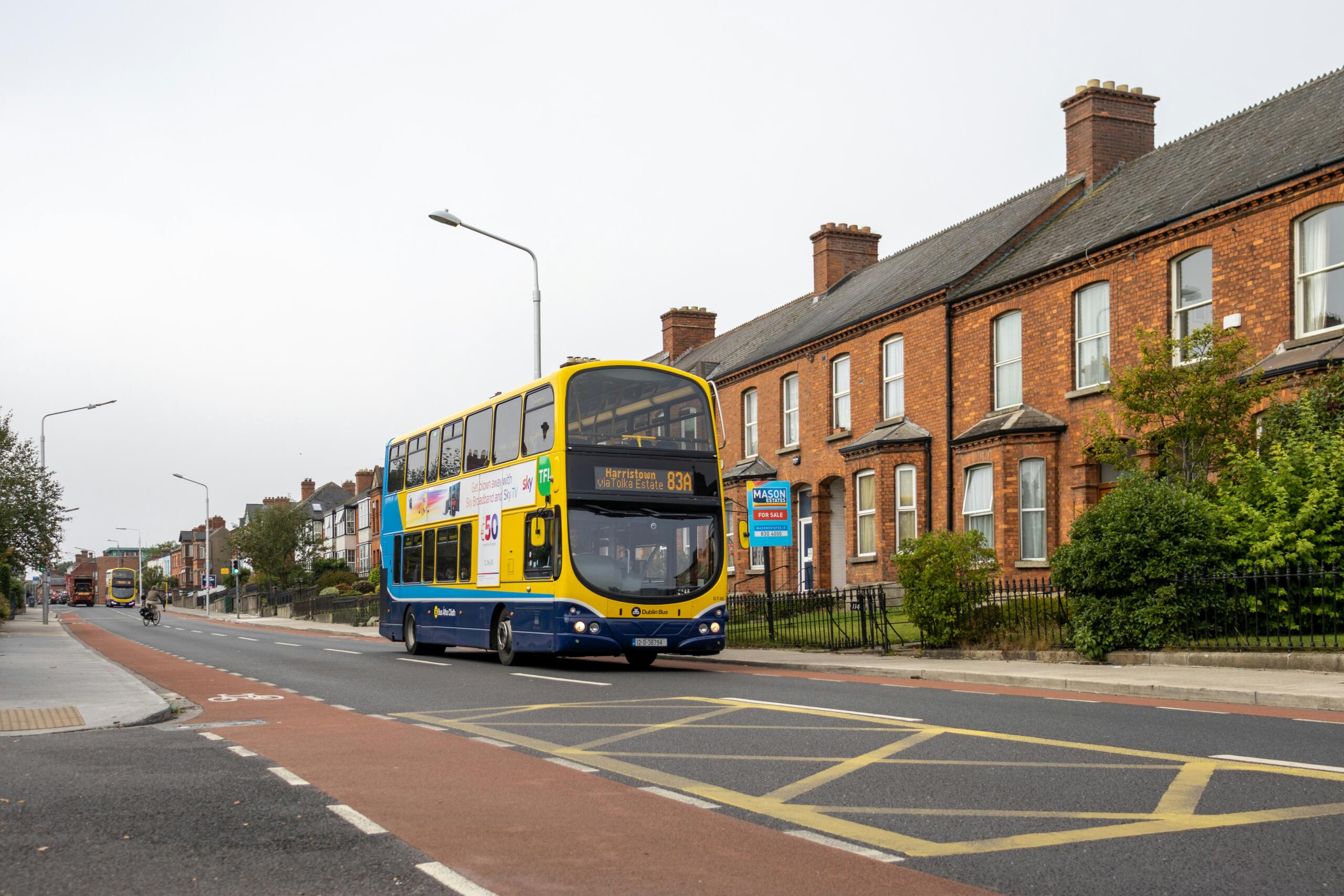
The Tyndall National Institute has embarked on a significant initiative to advance Ireland’s energy transition by securing funding for six projects from the Sustainable Energy Authority of Ireland’s (SEAI) National Energy Research, Development & Demonstration (RD&D) Funding Programme. Announced on 20 January 2026, these projects underscore Tyndall’s role as a leader in sustainable research, particularly in the integration of electric buses into the country’s public transport framework.
Among these initiatives is the BEST-IRE project, which aims to transform public transport through the deployment of battery electric buses. According to Dr. Pádraig Lyons, head of the International Energy Research Centre at Tyndall, electrifying the expanding bus fleet presents a vital opportunity to decarbonise Ireland’s transport systems. He emphasized, “Electrifying an expanding bus fleet is a huge opportunity to decarbonise Ireland’s transport systems and improve the quality of life for people living in urban and rural areas.”
Innovative Approaches to Electric Bus Integration
The BEST-IRE project is set to deliver a thorough evaluation and strategic roadmap for the implementation of electric buses. It will tackle critical aspects such as investment planning and life cycle cost assessment. The project will also develop a smart decision-making tool to facilitate the planning and placement of charging infrastructure, ensuring seamless integration with Ireland’s transport and electricity networks.
This integration will focus on optimising bus routing, maximising the use of renewable energy, and maintaining grid stability through advanced modelling techniques. Additionally, the research team plans to establish a dynamic transit charge management system to monitor charging patterns effectively. This system aims to provide local flexibility to enhance grid management, making it a pivotal element of the overall strategy.
Broader Implications for Mobility and Policy
The scope of the BEST-IRE project extends beyond mere technological integration. It will assess the potential of electric buses to enhance first and last-mile mobility, which is critical for improving accessibility in both urban and rural settings. Furthermore, the project will propose innovative business models tailored for stakeholders in the transport and energy sectors, aiming to create a sustainable ecosystem around electric public transport.
To support these advancements, the project will recommend policy frameworks that encourage the integration of electric buses and renewable energy sources. Methodology developed will be applicable at both urban and rural community levels, ensuring broad replicability throughout Ireland.
As Tyndall National Institute continues to lead the charge towards sustainable energy solutions, the BEST-IRE project stands as a testament to Ireland’s commitment to a cleaner, greener future in public transport. This initiative not only addresses immediate transport challenges but also aligns with broader environmental goals, reinforcing the importance of innovation in achieving sustainability.

Mother Reveals Daughter’s Meningitis Seizure After Night Out

Major Oil Spill Disrupts Traffic in Donegal on March 16, 2026

Discovering Literature: The Joys of Rejoining a Public Library

Ted Season 2 Announced: Release Date & Trailer Updates Revealed

Research Ireland and UKRI Forge New Collaboration Agreement

David McGoldrick’s Impressive Scoring Streak Sparks World Cup Talk

Plane Crash Claims Lives of Publishing Heir, Pregnant Wife, and Pilot

Oscars Snub Brigitte Bardot Sparks Controversy Over In Memoriam

Meta Plans Major Layoffs to Offset Rising AI Investment Costs

Tributes Surge for 9-Year-Old Leon Briody After Cancer Battle

Aimee Osbourne Joins Family for Emotional Tribute to Ozzy

Danny Healy-Rae Considers Complaint After Altercation with Garda

Hawaii Commemorates 80 Years Since Hiroshima Bombing with Ceremony

Ireland Enjoys Summer Heat as Hurricane Erin Approaches Atlantic

Couple Convicted of Murdering Two-Year-Old Grandson in Wales

Gaza Aid Distribution Tragedy: 20 Killed Amid Ongoing Violence

Newcastle West Woman Patricia Foley Found Safe After Urgent Search

Fianna Fáil TDs Urgently Consider Maire Geoghegan-Quinn for Presidency
-
 Top Stories11 months ago
Tributes Surge for 9-Year-Old Leon Briody After Cancer Battle
-
 Entertainment1 year ago
Aimee Osbourne Joins Family for Emotional Tribute to Ozzy
-
 Politics1 year ago
Danny Healy-Rae Considers Complaint After Altercation with Garda
-
 World1 year ago
Hawaii Commemorates 80 Years Since Hiroshima Bombing with Ceremony
-
 Top Stories12 months ago
Ireland Enjoys Summer Heat as Hurricane Erin Approaches Atlantic
-
 World1 year ago
Couple Convicted of Murdering Two-Year-Old Grandson in Wales
-
 World1 year ago
Gaza Aid Distribution Tragedy: 20 Killed Amid Ongoing Violence
-
 Top Stories11 months ago
Newcastle West Woman Patricia Foley Found Safe After Urgent Search
-
 Top Stories1 year ago
Fianna Fáil TDs Urgently Consider Maire Geoghegan-Quinn for Presidency
-

 World1 year ago
Aristocrat Constance Marten and Partner Convicted of Infant Murder
-

 Top Stories12 months ago
Climbing Errigal: A Must-Do Summer Adventure in Donegal
-

 Top Stories12 months ago
Hike Donegal’s Errigal Mountain NOW for Unforgettable Summer Views