
Sports
GAA Faces Growing Pressure Over Allianz Sponsorship Amid Protests

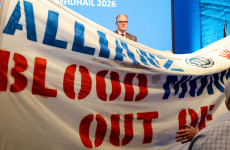
The Gaelic Athletic Association (GAA) is under increasing scrutiny regarding its sponsorship deal with Allianz following protests during its annual Congress. The debate intensified after a discussion between RTÉ television presenters Joanne Cantwell and Peter Canavan, a former player who participated in demonstrations against Allianz’s involvement in GAA competitions. This exchange has brought the issue into the mainstream, highlighting the deep divisions within the organization and its supporters.
Canavan, who has been politically engaged for decades and has publicly supported families affected by violence during the Troubles, articulated his disapproval of Allianz’s sponsorship during the protests at Croke Park. His comments reflect a broader sentiment among many GAA members who believe that the association should reconsider its commercial relationships in light of ongoing humanitarian crises. “As a past player, I was more than happy to be there… just to voice my disapproval for the continued sponsorship that they have for the national league,” Canavan stated on RTÉ.
In addressing GAA president Jarlath Burns’ remarks about his experiences during the Troubles, Canavan drew a poignant parallel between the opportunities the GAA provided to Irish youth and the lack of similar prospects for children in Gaza. He emphasized the need for the GAA to take a stand, arguing that the organization’s historical role as a beacon against oppression should extend to current global humanitarian issues. “The GAA stands as a beacon in this country of the people. Its gestures would be massive in relation to international support for ending this genocide in Gaza,” he said.
The protests have garnered support from various figures within the GAA community, including former players and managers who have used their platforms to raise awareness about the situation in Gaza. Notably, Dr. Dave Hickey and others have voiced their concerns regarding the GAA’s association with Allianz, which has financial ties to Israeli government bonds as highlighted in a UN report by Francesca Albanese.
Images from the protest showcased a diverse group of participants, including iconic figures from past GAA teams, illustrating the widespread discontent among supporters. This demonstration unfolded against the backdrop of Congress, where delegates had previously expressed their desire to discuss the Allianz sponsorship but were met with resistance from the GAA leadership. Ten counties had called for the termination of this partnership, but attempts to introduce a motion for debate were blocked.
Inside Congress, the atmosphere was charged. Some attendees held banners condemning genocide, creating a stark contrast with the formal setting. Although the protest did not escalate into violence, it was described as intimidating for some delegates. Burns responded to the unrest by taking a break and later expressed his frustration over the protestors’ approach. He commented, “I don’t need any lectures or people shouting in my face about what it’s like to go to bed at night fearful that somebody would barge into your bedroom and riddle you with bullets because that was my lived experience when I was young.”
This reaction, while understandable on some levels, raises important questions about how lived experiences should be addressed in discussions of contemporary issues. The protestors’ frustrations are rooted in a genuine concern for humanitarian crises, and their voices are increasingly difficult to ignore.
As the GAA navigates these complex issues, it finds itself at a crossroads. While the association has historically embraced activism—such as the commemorations of significant events in Irish history—its current stance on the Allianz sponsorship has sparked debate among its members. Critics argue that the GAA is using its Ethics and Integrity Committee to sidestep a direct discussion of the issue, relying on a small panel to address significant moral concerns raised by the community.
The unresolved tension surrounding this sponsorship deal is likely to persist as the GAA approaches the summer championship. Ignoring the protests and the calls for change is no longer a viable option for the organization. As public sentiment shifts and more voices join the conversation, the GAA may need to reevaluate its priorities and consider its role in advocating for justice and humanitarian support on a global scale.

Mother Reveals Daughter’s Meningitis Seizure After Night Out

Major Oil Spill Disrupts Traffic in Donegal on March 16, 2026

Discovering Literature: The Joys of Rejoining a Public Library

Ted Season 2 Announced: Release Date & Trailer Updates Revealed

Research Ireland and UKRI Forge New Collaboration Agreement

David McGoldrick’s Impressive Scoring Streak Sparks World Cup Talk

Plane Crash Claims Lives of Publishing Heir, Pregnant Wife, and Pilot

Oscars Snub Brigitte Bardot Sparks Controversy Over In Memoriam

Meta Plans Major Layoffs to Offset Rising AI Investment Costs

Tributes Surge for 9-Year-Old Leon Briody After Cancer Battle

Aimee Osbourne Joins Family for Emotional Tribute to Ozzy

Danny Healy-Rae Considers Complaint After Altercation with Garda

Hawaii Commemorates 80 Years Since Hiroshima Bombing with Ceremony

Ireland Enjoys Summer Heat as Hurricane Erin Approaches Atlantic

Couple Convicted of Murdering Two-Year-Old Grandson in Wales

Newcastle West Woman Patricia Foley Found Safe After Urgent Search

Fianna Fáil TDs Urgently Consider Maire Geoghegan-Quinn for Presidency

Gaza Aid Distribution Tragedy: 20 Killed Amid Ongoing Violence
-
 Top Stories7 months ago
Tributes Surge for 9-Year-Old Leon Briody After Cancer Battle
-
 Entertainment8 months ago
Aimee Osbourne Joins Family for Emotional Tribute to Ozzy
-
 Politics8 months ago
Danny Healy-Rae Considers Complaint After Altercation with Garda
-
 World9 months ago
Hawaii Commemorates 80 Years Since Hiroshima Bombing with Ceremony
-
 Top Stories8 months ago
Ireland Enjoys Summer Heat as Hurricane Erin Approaches Atlantic
-
 World9 months ago
Couple Convicted of Murdering Two-Year-Old Grandson in Wales
-
 Top Stories7 months ago
Newcastle West Woman Patricia Foley Found Safe After Urgent Search
-
 Top Stories9 months ago
Fianna Fáil TDs Urgently Consider Maire Geoghegan-Quinn for Presidency
-
 World9 months ago
Gaza Aid Distribution Tragedy: 20 Killed Amid Ongoing Violence
-

 World9 months ago
Aristocrat Constance Marten and Partner Convicted of Infant Murder
-

 Top Stories8 months ago
Hike Donegal’s Errigal Mountain NOW for Unforgettable Summer Views
-

 Top Stories8 months ago
Climbing Errigal: A Must-Do Summer Adventure in Donegal