
Top Stories
AI-Generated Video Misleads Public, Poses Challenge for Macron

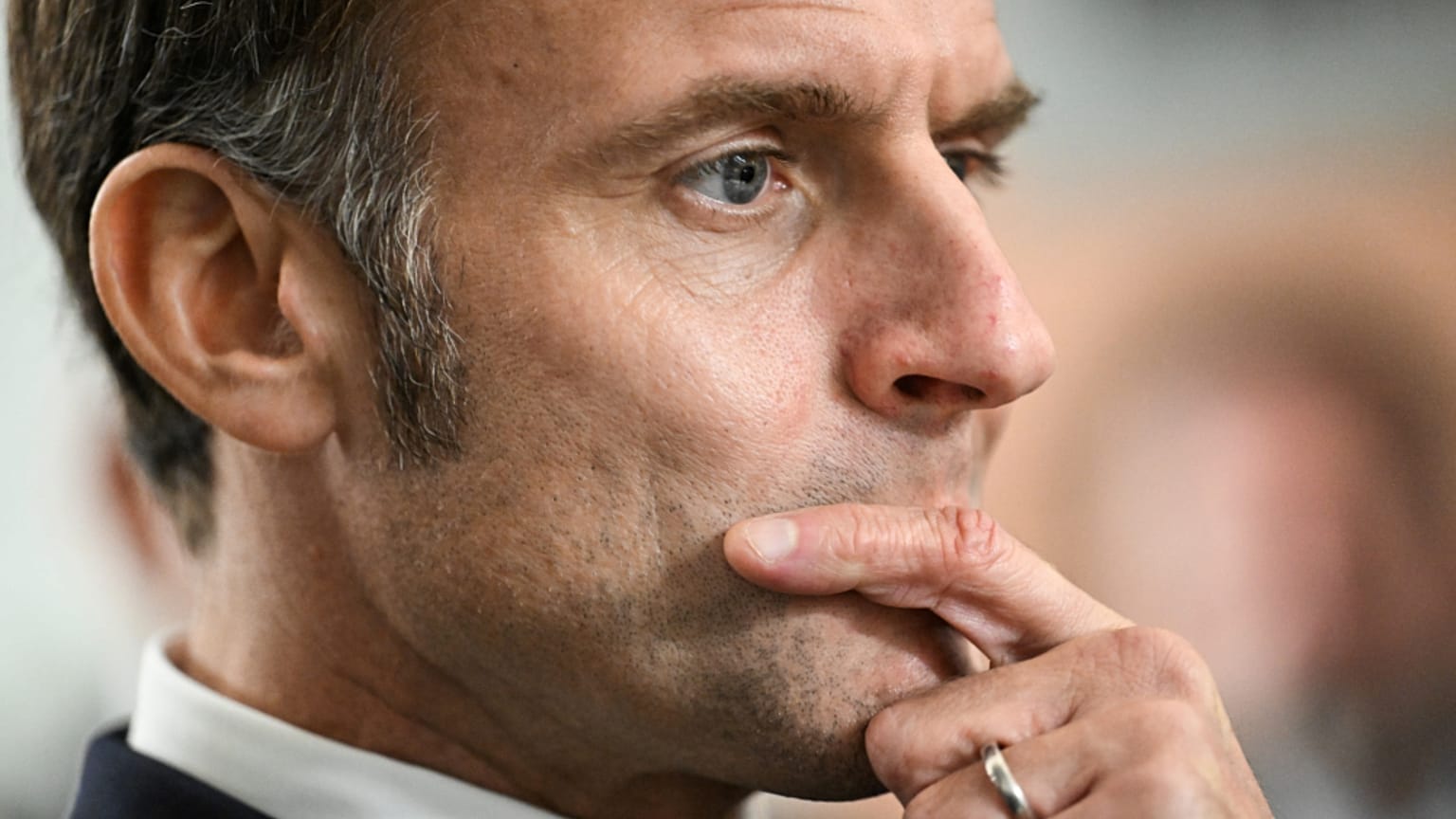
A fabricated video alleging a coup in France garnered over 12 million views on Facebook, raising significant concerns for President Emmanuel Macron. The French leader learned of the misleading content through a message from an African counterpart on December 14, 2023, expressing worry for his safety. “Dear President, what’s happening to you? I’m very worried,” the message read. Macron shared this experience in an interview with the French local newspaper La Provence on December 16, 2023.
The viral video, which depicted military activity and a news anchor suggesting a coup led by an unnamed colonel, was entirely fabricated using artificial intelligence. Despite its alarming nature, the video was not taken down promptly. After discovering the video, Macron requested France’s official portal for reporting illicit online content, Pharos, to contact Facebook’s parent company, Meta, for its removal. Meta declined, stating that the video did not breach its community guidelines.
In response to the platform’s inaction, Macron expressed his frustration. “I tend to think that I have more power to apply pressure than other people,” he remarked. “These people are mocking us. They don’t care about the serenity of public debates, they don’t care about democracy, and therefore they are putting us in danger.”
Origins of the Fake Video
The video was initially posted by a Facebook account named “Islam”, which is misleading as it does not feature religious content. The account’s operator, a teenager from Burkina Faso, reportedly generates income by teaching others how to monetize AI technologies. After facing backlash, the individual removed the video over a week after its release.
Attempts by Euronews’ fact-checking team, The Cube, to contact the account owner via the phone number listed on his profile have been unsuccessful. The videos associated with this account often feature AI-generated news anchors, some of which display a microphone branded with the logo of Radio France Internationale (RFI).
Another watermark seen in some videos, labeled “Sora,” indicates that the content may have been produced using Sora 2 technology, developed by OpenAI. This advanced tool allows users to create hyper-realistic, 10-second videos from text prompts. Since its introduction in October 2023, Sora 2 has sparked debate due to the surge of sophisticated AI-generated videos circulating on social media platforms.
The implications of such technology raise significant questions about the authenticity of online content and the potential for misinformation to influence public perception and political stability. As leaders like Macron confront these challenges, the need for effective regulation and response strategies becomes increasingly apparent.
The rapid dissemination of AI-generated misinformation underscores a growing concern in democratic societies about the integrity of information and the potential for technology to undermine public trust.

Mother Reveals Daughter’s Meningitis Seizure After Night Out

Major Oil Spill Disrupts Traffic in Donegal on March 16, 2026

Discovering Literature: The Joys of Rejoining a Public Library

Ted Season 2 Announced: Release Date & Trailer Updates Revealed

Research Ireland and UKRI Forge New Collaboration Agreement

David McGoldrick’s Impressive Scoring Streak Sparks World Cup Talk

Plane Crash Claims Lives of Publishing Heir, Pregnant Wife, and Pilot

Oscars Snub Brigitte Bardot Sparks Controversy Over In Memoriam

Meta Plans Major Layoffs to Offset Rising AI Investment Costs

Tributes Surge for 9-Year-Old Leon Briody After Cancer Battle

Aimee Osbourne Joins Family for Emotional Tribute to Ozzy

Danny Healy-Rae Considers Complaint After Altercation with Garda

Hawaii Commemorates 80 Years Since Hiroshima Bombing with Ceremony

Ireland Enjoys Summer Heat as Hurricane Erin Approaches Atlantic

Couple Convicted of Murdering Two-Year-Old Grandson in Wales

Newcastle West Woman Patricia Foley Found Safe After Urgent Search

Gaza Aid Distribution Tragedy: 20 Killed Amid Ongoing Violence

Fianna Fáil TDs Urgently Consider Maire Geoghegan-Quinn for Presidency
-
 Top Stories8 months ago
Tributes Surge for 9-Year-Old Leon Briody After Cancer Battle
-
 Entertainment9 months ago
Aimee Osbourne Joins Family for Emotional Tribute to Ozzy
-
 Politics9 months ago
Danny Healy-Rae Considers Complaint After Altercation with Garda
-
 World10 months ago
Hawaii Commemorates 80 Years Since Hiroshima Bombing with Ceremony
-
 Top Stories9 months ago
Ireland Enjoys Summer Heat as Hurricane Erin Approaches Atlantic
-
 World10 months ago
Couple Convicted of Murdering Two-Year-Old Grandson in Wales
-
 Top Stories8 months ago
Newcastle West Woman Patricia Foley Found Safe After Urgent Search
-
 World10 months ago
Gaza Aid Distribution Tragedy: 20 Killed Amid Ongoing Violence
-
 Top Stories10 months ago
Fianna Fáil TDs Urgently Consider Maire Geoghegan-Quinn for Presidency
-

 World10 months ago
Aristocrat Constance Marten and Partner Convicted of Infant Murder
-

 Top Stories9 months ago
Climbing Errigal: A Must-Do Summer Adventure in Donegal
-

 Top Stories9 months ago
Hike Donegal’s Errigal Mountain NOW for Unforgettable Summer Views