
Top Stories
British Airways Revolutionizes Business Travel with Lie-Flat Seats

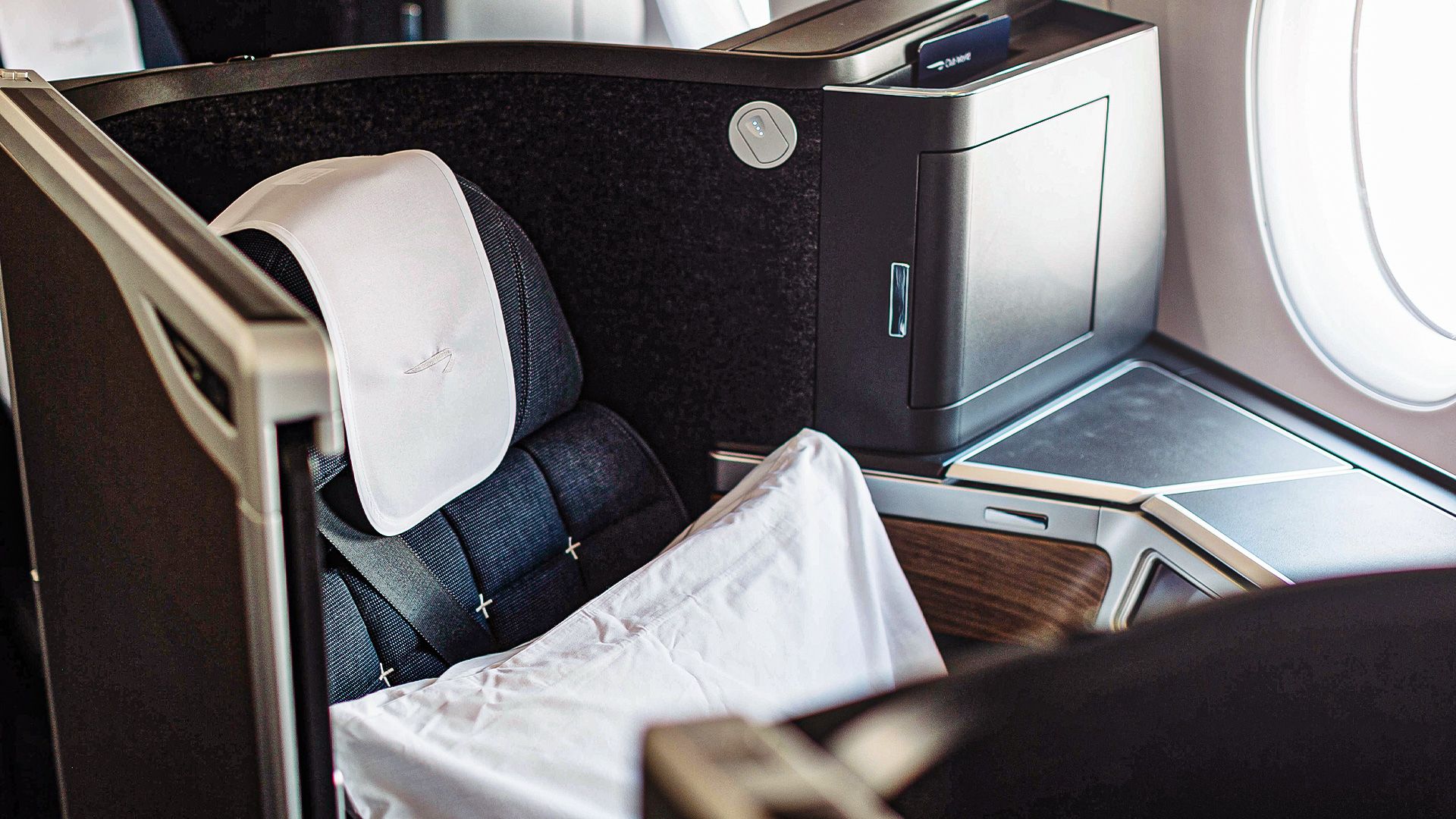
British Airways transformed the landscape of premium travel by introducing the first lie-flat business class seats in March 2000. This innovation debuted on flights from London Heathrow Airport (LHR) to John F. Kennedy International Airport (JFK) in New York, fundamentally altering passenger expectations for long-haul travel. Designed in collaboration with the London-based design firm Tangerine, the new Club World product set a precedent that redefined comfort in the skies.
Before this significant change, business class primarily offered wider recliners, improved meal options, and expedited airport services. The introduction of fully flat beds marked a shift towards actual sleep and privacy, making business class a credible alternative to first class on long-haul routes. British Airways’ innovation not only enhanced its own service offerings but also catalyzed industry-wide advancements in airline seating and service.
British Airways: A Legacy in Premium Travel
Today, British Airways remains a full-service network airline and the flag carrier of the United Kingdom, with over a century of operation. It connects Britain to global destinations, anchored primarily at London Heathrow, where it operates from Terminals 3 and 5. The airline emphasizes frequent daily flights, a wide network of over 140 destinations, and comprehensive services that appeal to business travelers.
In 2022, British Airways carried more than 46 million passengers and flew over 100 billion available seat miles. Its strategic focus on premium travelers is critical for sustaining revenue, particularly given the competitive nature of long-haul routes. The North Atlantic, one of the most lucrative air travel corridors, is central to British Airways’ business model, which prioritizes connectivity, frequency, and yield over sheer volume.
Importance of Premium Cabins
Premium cabins are crucial to British Airways’ financial success. The airline has seen an increasing number of passengers willing to pay extra for enhanced comfort, particularly in business class. This trend has bolstered operating performance even as demand in the economy sector shows signs of weakening. The growth in revenue from elite-tier loyalty program members, which is over 15 times faster than that from regular members, highlights the importance of affluent vacationers and loyalty programs in maintaining high occupancy in premium cabins.
Flat beds and premium service are now critical commercial tools for the airline, especially on overnight transatlantic flights. British Airways continues to provide strong service to destinations like South Africa, reinforcing its commitment to offering premium travel experiences.
British Airways’ introduction of lie-flat business class seats was not merely an enhancement of its offerings but a complete reimagining of what business class could entail. In 1998, the airline tasked Tangerine with creating a fundamentally new business class product. This challenge resulted in the innovative yin-yang seat layout, which alternated forward- and rear-facing seats, optimizing cabin space and allowing for the first fully lie-flat bed in business class.
The launch of this product in March 2000 on Boeing 747 flights to New York marked a turning point in airline history. British Airways successfully demonstrated that a true bed could be offered at scale without compromising cabin economics. This strategic innovation influenced not only its operations but also set a standard for the entire airline industry.
British Airways now offers a range of business class products that vary by route length and aircraft type. On short-haul services, the airline provides Club Europe, which focuses on airport priority, lounge access, and additional personal space. For long-haul flights, the primary offering is Club World, which includes two distinct seat designs. The newer Club Suite features direct aisle access, a privacy door, and enhanced storage, marking it as the airline’s flagship long-haul business class experience.
Despite current inconsistencies in product offering, British Airways maintains a strong reputation in the business class segment. The introduction of lie-flat seats revolutionized the market, forcing competitors to adapt. While some airlines initially opted for angle-flat products, Virgin Atlantic quickly adopted the concept, launching Upper Class Suites in 2003, which included direct-aisle access and flat beds.
As the airline industry evolved, business-class innovation began to focus on features such as direct aisle access, privacy enhancements, and improved storage solutions. While British Airways established itself as a baseline for the long-haul premium travel experience, competitors have since refined these ideas, sometimes surpassing the original offerings.
In conclusion, British Airways’ introduction of the lie-flat business class seat in 2000 was a significant milestone in the airline industry. This development not only enhanced passenger comfort but also reinforced the airline’s standing as a leading global carrier. The evolution of its business class offerings reflects a commitment to meeting the needs of modern travelers, particularly those seeking premium experiences on long-haul flights. As the airline continues to adapt to changing market demands, it remains a key player in capturing the lucrative segment of premium long-haul travel.

Mother Reveals Daughter’s Meningitis Seizure After Night Out

Major Oil Spill Disrupts Traffic in Donegal on March 16, 2026

Discovering Literature: The Joys of Rejoining a Public Library

Ted Season 2 Announced: Release Date & Trailer Updates Revealed

Research Ireland and UKRI Forge New Collaboration Agreement

David McGoldrick’s Impressive Scoring Streak Sparks World Cup Talk

Plane Crash Claims Lives of Publishing Heir, Pregnant Wife, and Pilot

Oscars Snub Brigitte Bardot Sparks Controversy Over In Memoriam

Meta Plans Major Layoffs to Offset Rising AI Investment Costs

Tributes Surge for 9-Year-Old Leon Briody After Cancer Battle

Aimee Osbourne Joins Family for Emotional Tribute to Ozzy

Danny Healy-Rae Considers Complaint After Altercation with Garda

Hawaii Commemorates 80 Years Since Hiroshima Bombing with Ceremony

Ireland Enjoys Summer Heat as Hurricane Erin Approaches Atlantic

Couple Convicted of Murdering Two-Year-Old Grandson in Wales

Gaza Aid Distribution Tragedy: 20 Killed Amid Ongoing Violence

Newcastle West Woman Patricia Foley Found Safe After Urgent Search

Fianna Fáil TDs Urgently Consider Maire Geoghegan-Quinn for Presidency
-
 Top Stories10 months ago
Tributes Surge for 9-Year-Old Leon Briody After Cancer Battle
-
 Entertainment12 months ago
Aimee Osbourne Joins Family for Emotional Tribute to Ozzy
-
 Politics12 months ago
Danny Healy-Rae Considers Complaint After Altercation with Garda
-
 World12 months ago
Hawaii Commemorates 80 Years Since Hiroshima Bombing with Ceremony
-
 Top Stories11 months ago
Ireland Enjoys Summer Heat as Hurricane Erin Approaches Atlantic
-
 World12 months ago
Couple Convicted of Murdering Two-Year-Old Grandson in Wales
-
 World12 months ago
Gaza Aid Distribution Tragedy: 20 Killed Amid Ongoing Violence
-
 Top Stories10 months ago
Newcastle West Woman Patricia Foley Found Safe After Urgent Search
-
 Top Stories12 months ago
Fianna Fáil TDs Urgently Consider Maire Geoghegan-Quinn for Presidency
-

 World1 year ago
Aristocrat Constance Marten and Partner Convicted of Infant Murder
-

 Top Stories12 months ago
Climbing Errigal: A Must-Do Summer Adventure in Donegal
-

 Top Stories12 months ago
Hike Donegal’s Errigal Mountain NOW for Unforgettable Summer Views