
Top Stories
El Hierro: The Canary Island Resisting Overtourism Surge

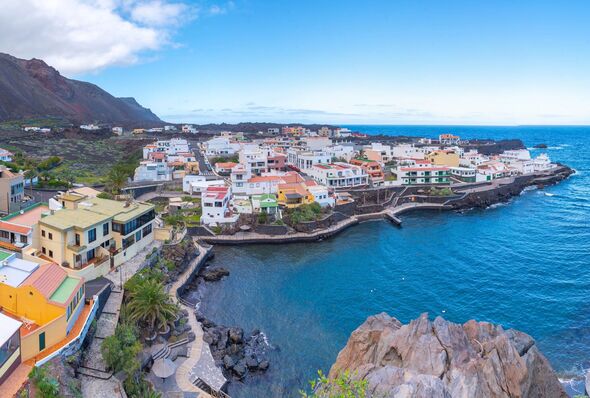
UPDATE: El Hierro, one of the lesser-known Canary Islands, is emerging as a sanctuary amidst a tourism crisis gripping the archipelago. Unlike its more crowded siblings, El Hierro has maintained a lower tourist influx, hosting only around 20,000 to 30,000 visitors annually compared to the staggering 2 million tourists flocking to Lanzarote in just the first half of 2025.
As the influential travel guide Fodor’s Travel includes several Canary Islands on its 2026 “No List”, warning of the detrimental effects of overtourism, El Hierro stands out for its commitment to sustainability. Fodor’s highlights the struggle faced by many locals: “For many Canarians, tourism is both a lifeline and a burden,” a sentiment reflecting the dual-edged nature of visitor spending in the region.
El Hierro, the youngest and most westerly island in the archipelago, has managed to preserve its pristine environment and tranquil lifestyle. Its geography—formed by volcanic activity over 1.2 million years—creates stunning landscapes of forests, cliffs, and unique geological features. Unlike other islands, El Hierro’s airport offers only domestic flights, linking it primarily to Tenerife North and Gran Canaria, effectively limiting tourist numbers.
Davinia Suárez Armas, the island’s director of tourism and transport, expressed the island’s vision: “We want to increase tourism and continue to improve the island’s standard of living, but not to the detriment of the residents’ quality of life or the island’s natural resources.” This commitment to sustainable development is crucial as the island strives to balance economic growth with environmental preservation.
El Hierro is not just a hidden gem; it is a UNESCO Biosphere Reserve and Geopark. Visitors can explore the breathtaking Sabinar, home to ancient juniper trees shaped by relentless winds, and the elusive El Hierro Giant Lizard, once thought extinct. The island’s natural pools, or “Charcos,” formed by lava, offer unique swimming experiences, while hiking trails like the challenging Camino de Jinama reward adventurers with panoramic views of the El Golfo valley.
As February approaches, El Hierro boasts some of the warmest temperatures in Europe, with daytime highs ranging from 17 to 19°C and approximately seven hours of sunshine daily, making it an attractive destination for those seeking relief from colder climates.
With its focus on sustainable tourism, El Hierro is poised to attract a new wave of conscious travelers looking for authentic experiences without contributing to the problems of mass tourism. As awareness grows, the island’s unique charm and commitment to preservation will likely inspire visitors to share their experiences, further elevating El Hierro’s profile in a world increasingly concerned about sustainable travel.
Stay tuned for further updates as El Hierro navigates its path toward responsible tourism, setting an example for other destinations grappling with the challenges of overtourism.

Mother Reveals Daughter’s Meningitis Seizure After Night Out

Major Oil Spill Disrupts Traffic in Donegal on March 16, 2026

Discovering Literature: The Joys of Rejoining a Public Library

Ted Season 2 Announced: Release Date & Trailer Updates Revealed

Research Ireland and UKRI Forge New Collaboration Agreement

David McGoldrick’s Impressive Scoring Streak Sparks World Cup Talk

Plane Crash Claims Lives of Publishing Heir, Pregnant Wife, and Pilot

Oscars Snub Brigitte Bardot Sparks Controversy Over In Memoriam

Meta Plans Major Layoffs to Offset Rising AI Investment Costs

Tributes Surge for 9-Year-Old Leon Briody After Cancer Battle

Aimee Osbourne Joins Family for Emotional Tribute to Ozzy

Danny Healy-Rae Considers Complaint After Altercation with Garda

Hawaii Commemorates 80 Years Since Hiroshima Bombing with Ceremony

Ireland Enjoys Summer Heat as Hurricane Erin Approaches Atlantic

Couple Convicted of Murdering Two-Year-Old Grandson in Wales

Gaza Aid Distribution Tragedy: 20 Killed Amid Ongoing Violence

Newcastle West Woman Patricia Foley Found Safe After Urgent Search

Fianna Fáil TDs Urgently Consider Maire Geoghegan-Quinn for Presidency
-
 Top Stories11 months ago
Tributes Surge for 9-Year-Old Leon Briody After Cancer Battle
-
 Entertainment12 months ago
Aimee Osbourne Joins Family for Emotional Tribute to Ozzy
-
 Politics1 year ago
Danny Healy-Rae Considers Complaint After Altercation with Garda
-
 World1 year ago
Hawaii Commemorates 80 Years Since Hiroshima Bombing with Ceremony
-
 Top Stories12 months ago
Ireland Enjoys Summer Heat as Hurricane Erin Approaches Atlantic
-
 World1 year ago
Couple Convicted of Murdering Two-Year-Old Grandson in Wales
-
 World1 year ago
Gaza Aid Distribution Tragedy: 20 Killed Amid Ongoing Violence
-
 Top Stories11 months ago
Newcastle West Woman Patricia Foley Found Safe After Urgent Search
-
 Top Stories1 year ago
Fianna Fáil TDs Urgently Consider Maire Geoghegan-Quinn for Presidency
-

 World1 year ago
Aristocrat Constance Marten and Partner Convicted of Infant Murder
-
 Top Stories12 months ago
Climbing Errigal: A Must-Do Summer Adventure in Donegal
-
 Top Stories12 months ago
Hike Donegal’s Errigal Mountain NOW for Unforgettable Summer Views