
Top Stories
EU Leaders Criticize US Decision to Ease Russian Oil Sanctions

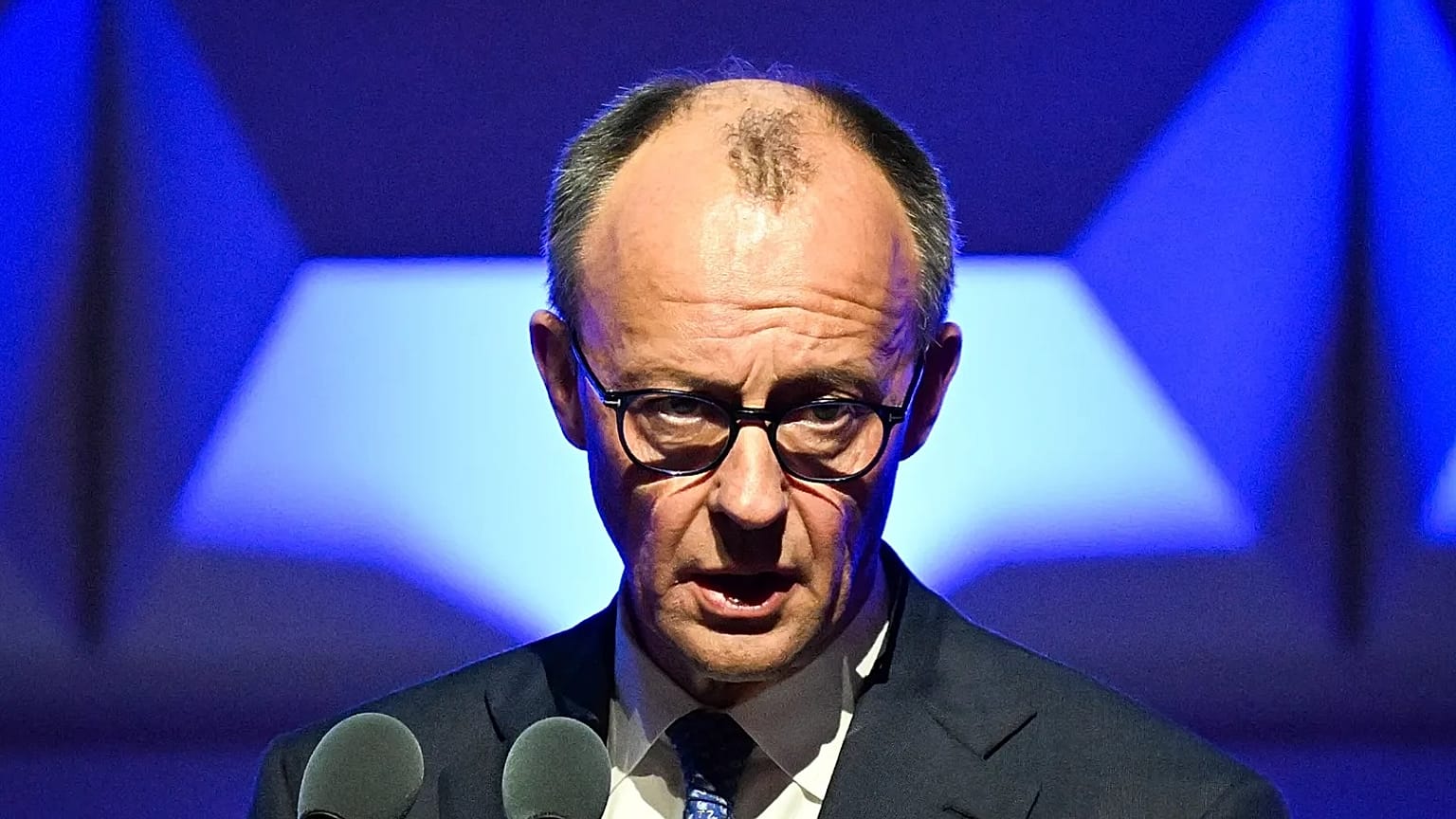
The European Union has voiced strong opposition to the United States’ recent decision to ease sanctions on Russian oil that has been stranded at sea. This move, announced by US Treasury Secretary Scott Bessent on March 12, 2024, is viewed by EU leaders as a detrimental step that undermines support for Ukraine amid ongoing conflicts in the Middle East.
In a press conference held on Friday, Friedrich Merz, Chancellor of Germany, expressed concern over the ramifications of lifting sanctions. He stated, “Easing sanctions now, for whatever reason, would be wrong,” emphasizing that support for Ukraine must remain steadfast and not be swayed by external conflicts. Merz noted that six of the seven leaders of the G7 had agreed that removing sanctions was not “the right signal to send,” with the United States being the sole exception.
The US decision allows countries to purchase Russian crude and petroleum products loaded onto vessels as of March 12, with those vessels authorized to disembark by April 11. This action follows a similar waiver granted to India at the end of February. The sanctions relief comes as oil prices continue to soar, driven by instability in the Middle East, particularly due to actions taken by Iran against oil producers in the Gulf region and disruptions in the vital Strait of Hormuz.
In response to the US policy shift, António Costa, President of the European Council, remarked that the unilateral decision is “very concerning,” highlighting its potential impact on European security. He underscored that the only beneficiary of the current situation is Russia, as it continues to profit from sales despite ongoing sanctions. Costa warned, “Any step that would enable Russia to increase its revenues from oil sales would be problematic in view of the larger goals that we have regarding crippling Russia’s war capabilities against Ukraine.”
European Commission President Ursula von der Leyen echoed these sentiments on Wednesday, urging adherence to existing sanctions. She stated, “This is not the moment to relax sanctions on Russia.” Emmanuel Macron, President of France, reinforced this position following a G7 meeting, declaring that any rollback of sanctions against Russia is unjustified.
Despite the US’s attempts to alleviate energy prices, neither the new waiver nor the release of strategic oil reserves has led to a significant decrease in oil costs, which remain above $100 per barrel. Analysts express concern that Iran’s actions will continue to threaten key exit ports and logistics hubs, further complicating the situation.
Interestingly, Viktor Orbán, Prime Minister of Hungary, emerged as the only EU leader advocating for the lifting of sanctions, aligning himself with the US and diverging from the broader European consensus. This divergence highlights the complexities of the EU’s approach to sanctions and its unified stance against Russian aggression.
As the situation develops, the dynamics between the US and EU regarding sanctions on Russia will be closely monitored, especially in light of the ongoing conflicts that pose challenges to global energy stability and geopolitical security.

Mother Reveals Daughter’s Meningitis Seizure After Night Out

Major Oil Spill Disrupts Traffic in Donegal on March 16, 2026

Discovering Literature: The Joys of Rejoining a Public Library

Ted Season 2 Announced: Release Date & Trailer Updates Revealed

Research Ireland and UKRI Forge New Collaboration Agreement

David McGoldrick’s Impressive Scoring Streak Sparks World Cup Talk

Plane Crash Claims Lives of Publishing Heir, Pregnant Wife, and Pilot

Oscars Snub Brigitte Bardot Sparks Controversy Over In Memoriam

Meta Plans Major Layoffs to Offset Rising AI Investment Costs

Tributes Surge for 9-Year-Old Leon Briody After Cancer Battle

Aimee Osbourne Joins Family for Emotional Tribute to Ozzy

Danny Healy-Rae Considers Complaint After Altercation with Garda

Hawaii Commemorates 80 Years Since Hiroshima Bombing with Ceremony

Ireland Enjoys Summer Heat as Hurricane Erin Approaches Atlantic

Couple Convicted of Murdering Two-Year-Old Grandson in Wales

Gaza Aid Distribution Tragedy: 20 Killed Amid Ongoing Violence

Newcastle West Woman Patricia Foley Found Safe After Urgent Search

Fianna Fáil TDs Urgently Consider Maire Geoghegan-Quinn for Presidency
-
 Top Stories11 months ago
Tributes Surge for 9-Year-Old Leon Briody After Cancer Battle
-
 Entertainment1 year ago
Aimee Osbourne Joins Family for Emotional Tribute to Ozzy
-
 Politics1 year ago
Danny Healy-Rae Considers Complaint After Altercation with Garda
-
 World1 year ago
Hawaii Commemorates 80 Years Since Hiroshima Bombing with Ceremony
-
 Top Stories12 months ago
Ireland Enjoys Summer Heat as Hurricane Erin Approaches Atlantic
-
 World1 year ago
Couple Convicted of Murdering Two-Year-Old Grandson in Wales
-
 World1 year ago
Gaza Aid Distribution Tragedy: 20 Killed Amid Ongoing Violence
-
 Top Stories11 months ago
Newcastle West Woman Patricia Foley Found Safe After Urgent Search
-
 Top Stories1 year ago
Fianna Fáil TDs Urgently Consider Maire Geoghegan-Quinn for Presidency
-

 World1 year ago
Aristocrat Constance Marten and Partner Convicted of Infant Murder
-

 Top Stories1 year ago
Climbing Errigal: A Must-Do Summer Adventure in Donegal
-

 Top Stories1 year ago
Hike Donegal’s Errigal Mountain NOW for Unforgettable Summer Views