
Top Stories
Irish Homeowners Rage Against Smart Meter Installations Amid Bill Surges

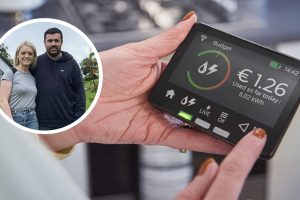
UPDATE: Growing outrage among Irish homeowners over skyrocketing energy bills has sparked urgent warnings against the installation of smart electric meters. Many residents report significant increases in their monthly charges, with one household’s bill peaking at €515.88 for February 2023.
Online influencer Cat of Castlequarter House took to social media to voice her frustrations, claiming her family’s energy costs have soared despite minimal heating usage. “This is for one month. We don’t have the heating on all that much,” she stated, expressing disbelief at the unexpected charges.
Her post has ignited a wave of similar complaints, with hundreds of followers reporting their own alarming bill increases after switching to smart meters. “There is a direct correlation between smart meters and skyrocketed ESB bills,” Cat insisted. She warned others considering home renovations against underfloor heating, labeling her decision to install the smart meter as one of her “worst decisions in life.”
As homeowners share their experiences, it’s clear that rising bills are causing widespread distress. Cat highlighted her extensive efforts to make her home energy-efficient, stating, “We have done absolutely everything in our power because this is a new build house.” Yet, despite implementing extensive insulation measures, her family faces monthly bills exceeding €550.
In response to these alarming claims, an ESB Networks spokesperson confirmed that smart meters do not affect electricity readings. “When ESB Networks upgrades an electricity meter, it takes a final reading from the old meter and an opening reading from the new one,” they explained, emphasizing that these readings are sent directly to the registered supplier for accurate billing.
The spokesperson urged customers facing billing confusion to contact their electricity supplier for assistance. “Where customers have concerns about the accuracy of their bills or meter readings, they should engage with their supplier,” they added.
However, many consumers remain skeptical, as rising bills coincide with increased electricity tariffs over the last four years. “Electricity tariffs have increased significantly while we have been installing the new meters,” the spokesperson acknowledged, attempting to clarify the correlation.
The situation has escalated online, with discussions about the ESB’s decision to replace smart meters that were installed as recently as five years ago. In response, the spokesperson reiterated that regular maintenance and upgrades are essential for ensuring meters meet operational and regulatory standards.
As the debate continues, homeowners are left grappling with their mounting bills and uncertainty about the impact of smart meters on their energy expenses. With emotions running high, many are calling for action to address their concerns.
This developing story underscores a critical issue for Irish households as they navigate rising living costs in an increasingly challenging economic landscape. Homeowners are encouraged to remain vigilant and informed, as the situation evolves.
Check back for updates on this urgent matter affecting countless families across Ireland.

Mother Reveals Daughter’s Meningitis Seizure After Night Out

Major Oil Spill Disrupts Traffic in Donegal on March 16, 2026

Discovering Literature: The Joys of Rejoining a Public Library

Ted Season 2 Announced: Release Date & Trailer Updates Revealed

Research Ireland and UKRI Forge New Collaboration Agreement

David McGoldrick’s Impressive Scoring Streak Sparks World Cup Talk

Plane Crash Claims Lives of Publishing Heir, Pregnant Wife, and Pilot

Oscars Snub Brigitte Bardot Sparks Controversy Over In Memoriam

Meta Plans Major Layoffs to Offset Rising AI Investment Costs

Tributes Surge for 9-Year-Old Leon Briody After Cancer Battle

Aimee Osbourne Joins Family for Emotional Tribute to Ozzy

Danny Healy-Rae Considers Complaint After Altercation with Garda

Hawaii Commemorates 80 Years Since Hiroshima Bombing with Ceremony

Ireland Enjoys Summer Heat as Hurricane Erin Approaches Atlantic

Couple Convicted of Murdering Two-Year-Old Grandson in Wales

Gaza Aid Distribution Tragedy: 20 Killed Amid Ongoing Violence

Newcastle West Woman Patricia Foley Found Safe After Urgent Search

Fianna Fáil TDs Urgently Consider Maire Geoghegan-Quinn for Presidency
-
 Top Stories11 months ago
Tributes Surge for 9-Year-Old Leon Briody After Cancer Battle
-
 Entertainment1 year ago
Aimee Osbourne Joins Family for Emotional Tribute to Ozzy
-
 Politics1 year ago
Danny Healy-Rae Considers Complaint After Altercation with Garda
-
 World1 year ago
Hawaii Commemorates 80 Years Since Hiroshima Bombing with Ceremony
-
 Top Stories1 year ago
Ireland Enjoys Summer Heat as Hurricane Erin Approaches Atlantic
-
 World1 year ago
Couple Convicted of Murdering Two-Year-Old Grandson in Wales
-
 World1 year ago
Gaza Aid Distribution Tragedy: 20 Killed Amid Ongoing Violence
-
 Top Stories11 months ago
Newcastle West Woman Patricia Foley Found Safe After Urgent Search
-
 Top Stories1 year ago
Fianna Fáil TDs Urgently Consider Maire Geoghegan-Quinn for Presidency
-

 World1 year ago
Aristocrat Constance Marten and Partner Convicted of Infant Murder
-

 Top Stories1 year ago
Climbing Errigal: A Must-Do Summer Adventure in Donegal
-

 Top Stories1 year ago
Hike Donegal’s Errigal Mountain NOW for Unforgettable Summer Views