
Top Stories
Landlord Group Criticizes RTB for Negative Depictions Online

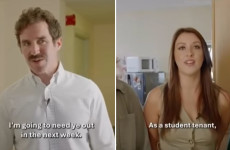
A landlord association has raised concerns over the portrayal of property owners in a series of videos released by the Residential Tenancies Board (RTB). The Irish Property Owners Association (IPOA) claims that the videos, which depict fictional scenarios involving “dodgy landlords,” unfairly vilify landlords and undermine trust in the rental sector.
The videos, part of the RTB’s “Knowledge is Key” campaign, were posted on social media in September 2023. The IPOA expressed disappointment that the content remains available online, despite having communicated serious concerns directly to the RTB. According to the IPOA, the videos depict landlords in a negative light, potentially damaging relationships between tenants and responsible property owners.
In a statement, the IPOA emphasized the importance of balanced communication from the RTB, stating, “As the statutory regulator, the RTB has a duty to communicate in a way that is balanced and does not undermine confidence in private landlords.” The association highlighted that most landlords comply with their legal obligations and play a vital role in providing housing.
The two videos feature scripted scenarios that illustrate tenant rights under rental law. In one clip, a landlord enters a property occupied by two students, claiming he is there to collect mail. A character then intervenes to explain the tenants’ right to peaceful occupation. In another clip, the same landlord tries to deliver an illegal eviction notice, asserting, “I’m going to need you out in the next week,” before being corrected regarding the proper notice of termination rights.
The IPOA argues that such messaging generalizes and stigmatizes landlords, which could discourage responsible participation in the rental market. “The RTB should be a neutral and trusted voice for both tenants and landlords,” noted Mary Conway, Chairperson of the IPOA. She further emphasized that while the RTB aims to inform tenants of their rights, this should not come at the expense of fairness towards landlords.
In a separate LinkedIn post, the IPOA reiterated the need for public communications to be “fair and balanced,” especially given the pressures currently facing the rental sector.
The RTB responded by stating that the campaign’s intent is to inform both landlords and tenants about their rights and responsibilities under rental law. The regulator pointed out that the videos were designed to address common misunderstandings related to student renting and aimed to direct users to additional resources on its website.
The RTB acknowledged that it employed a new approach using short, engaging videos to better reach a younger audience. While it noted that some of the content employed “light humour,” the regulator maintained that the majority of the campaign consisted of informative videos, carousels, and factsheets aimed at both landlords and student tenants.
The campaign has reportedly resulted in increased engagement, with an 83% increase in traffic to the campaign’s landing page compared to prior student campaigns. The RTB confirmed that it communicated to the IPOA in October 2023 that it would consider feedback for future campaigns.
The ongoing dialogue between the IPOA and the RTB highlights the complexities of communication in the rental industry, where both tenant and landlord perspectives must be balanced to foster a healthy rental market.

Mother Reveals Daughter’s Meningitis Seizure After Night Out

Major Oil Spill Disrupts Traffic in Donegal on March 16, 2026

Discovering Literature: The Joys of Rejoining a Public Library

Ted Season 2 Announced: Release Date & Trailer Updates Revealed

Research Ireland and UKRI Forge New Collaboration Agreement

David McGoldrick’s Impressive Scoring Streak Sparks World Cup Talk

Plane Crash Claims Lives of Publishing Heir, Pregnant Wife, and Pilot

Oscars Snub Brigitte Bardot Sparks Controversy Over In Memoriam

Meta Plans Major Layoffs to Offset Rising AI Investment Costs

Tributes Surge for 9-Year-Old Leon Briody After Cancer Battle

Aimee Osbourne Joins Family for Emotional Tribute to Ozzy

Danny Healy-Rae Considers Complaint After Altercation with Garda

Hawaii Commemorates 80 Years Since Hiroshima Bombing with Ceremony

Ireland Enjoys Summer Heat as Hurricane Erin Approaches Atlantic

Couple Convicted of Murdering Two-Year-Old Grandson in Wales

Gaza Aid Distribution Tragedy: 20 Killed Amid Ongoing Violence

Newcastle West Woman Patricia Foley Found Safe After Urgent Search

Fianna Fáil TDs Urgently Consider Maire Geoghegan-Quinn for Presidency
-
 Top Stories10 months ago
Tributes Surge for 9-Year-Old Leon Briody After Cancer Battle
-
 Entertainment12 months ago
Aimee Osbourne Joins Family for Emotional Tribute to Ozzy
-
 Politics12 months ago
Danny Healy-Rae Considers Complaint After Altercation with Garda
-
 World1 year ago
Hawaii Commemorates 80 Years Since Hiroshima Bombing with Ceremony
-
 Top Stories11 months ago
Ireland Enjoys Summer Heat as Hurricane Erin Approaches Atlantic
-
 World1 year ago
Couple Convicted of Murdering Two-Year-Old Grandson in Wales
-
 World1 year ago
Gaza Aid Distribution Tragedy: 20 Killed Amid Ongoing Violence
-
 Top Stories10 months ago
Newcastle West Woman Patricia Foley Found Safe After Urgent Search
-
 Top Stories1 year ago
Fianna Fáil TDs Urgently Consider Maire Geoghegan-Quinn for Presidency
-

 World1 year ago
Aristocrat Constance Marten and Partner Convicted of Infant Murder
-

 Top Stories12 months ago
Climbing Errigal: A Must-Do Summer Adventure in Donegal
-

 Top Stories12 months ago
Hike Donegal’s Errigal Mountain NOW for Unforgettable Summer Views