
Top Stories
New Desk Trends Revolutionize Office Ergonomics for 2026

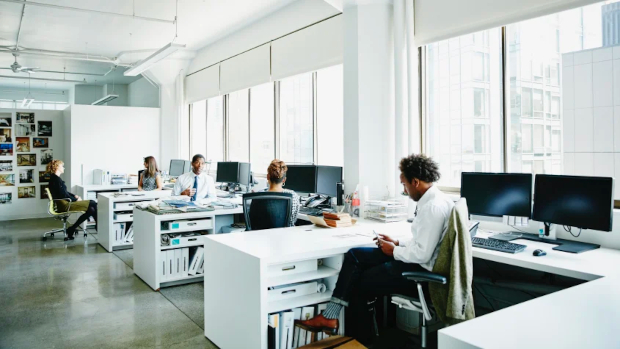
URGENT UPDATE: On February 17, 2026, new insights reveal that the design of office desks is undergoing a significant transformation, emphasizing ergonomics and efficiency. As remote work persists and hybrid models become the norm, the right desk is crucial to maintaining productivity and comfort throughout the workday.
Recent studies confirm that a well-designed desk can enhance focus and reduce physical strain. Ergonomics experts highlight that a desk should be more than just a flat surface; it should be tailored to the user’s needs to minimize discomfort and maximize productivity. Key factors such as monitor height and desk size play a pivotal role in how effectively employees can work.
According to authorities in ergonomic design, the ideal monitor height should be at or slightly below eye level. This positioning helps maintain a neutral neck posture, reducing the risk of chronic pain. Similarly, the desk height is essential for keeping forearms parallel to the floor, which relaxes shoulders and allows for controlled hand movement.
Adjustable desks are gaining popularity for their ability to accommodate a variety of body types and work styles. These desks allow users to switch between sitting and standing positions, promoting movement and improving circulation throughout the day. Experts stress that movement is just as important as alignment; regular shifts between different postures lead to healthier work habits.
The size of the desk is another critical consideration. Desks that are too small can lead to cramped working conditions, forcing constant repositioning of keyboards and monitors. Conversely, oversized desks may hinder efficiency by requiring unnecessary reaching, which can slow down workflow. Designers emphasize that the right fit varies based on individual work requirements: from analysts needing depth for multiple screens to individuals who rely heavily on paper needing ample surface area.
Placement of desks in the office also impacts workflow. Clear sightlines and open pathways foster brief movements that help maintain concentration without significant interruptions. Storage solutions integrated into desk designs, like built-in drawers and cable management systems, further enhance efficiency by reducing clutter and minimizing setup time between tasks.
Material choices are equally vital. While solid wood and quality veneer offer warmth and stability, they require more maintenance. On the other hand, laminate and composite surfaces are easier to care for, though they may wear faster. Metal frames are favored for their durability and capacity to support heavier equipment, making them ideal for dynamic office environments.
As trends in office design evolve rapidly, the focus remains on creating desks that cater to real-world needs rather than aesthetic preferences. A desk that effectively combines comfort and functionality becomes an invaluable component of daily work life.
WHAT’S NEXT: As organizations continue to adapt to changing work environments, the demand for ergonomic office furniture will likely increase. Companies are encouraged to invest in well-designed desks that not only enhance productivity but also prioritize employee well-being. With research supporting these trends, the office landscape is set for a significant overhaul in 2026.
Stay tuned for further updates as we monitor how these developments will shape workspaces and employee health in the coming months. Share this article to inform others about the urgent changes in office ergonomics!

Mother Reveals Daughter’s Meningitis Seizure After Night Out

Major Oil Spill Disrupts Traffic in Donegal on March 16, 2026

Discovering Literature: The Joys of Rejoining a Public Library

Ted Season 2 Announced: Release Date & Trailer Updates Revealed

Research Ireland and UKRI Forge New Collaboration Agreement

David McGoldrick’s Impressive Scoring Streak Sparks World Cup Talk

Plane Crash Claims Lives of Publishing Heir, Pregnant Wife, and Pilot

Oscars Snub Brigitte Bardot Sparks Controversy Over In Memoriam

Meta Plans Major Layoffs to Offset Rising AI Investment Costs

Tributes Surge for 9-Year-Old Leon Briody After Cancer Battle

Aimee Osbourne Joins Family for Emotional Tribute to Ozzy

Danny Healy-Rae Considers Complaint After Altercation with Garda

Hawaii Commemorates 80 Years Since Hiroshima Bombing with Ceremony

Ireland Enjoys Summer Heat as Hurricane Erin Approaches Atlantic

Couple Convicted of Murdering Two-Year-Old Grandson in Wales

Gaza Aid Distribution Tragedy: 20 Killed Amid Ongoing Violence

Newcastle West Woman Patricia Foley Found Safe After Urgent Search

Fianna Fáil TDs Urgently Consider Maire Geoghegan-Quinn for Presidency
-
 Top Stories10 months ago
Tributes Surge for 9-Year-Old Leon Briody After Cancer Battle
-
 Entertainment12 months ago
Aimee Osbourne Joins Family for Emotional Tribute to Ozzy
-
 Politics12 months ago
Danny Healy-Rae Considers Complaint After Altercation with Garda
-
 World1 year ago
Hawaii Commemorates 80 Years Since Hiroshima Bombing with Ceremony
-
 Top Stories11 months ago
Ireland Enjoys Summer Heat as Hurricane Erin Approaches Atlantic
-
 World1 year ago
Couple Convicted of Murdering Two-Year-Old Grandson in Wales
-
 World1 year ago
Gaza Aid Distribution Tragedy: 20 Killed Amid Ongoing Violence
-
 Top Stories10 months ago
Newcastle West Woman Patricia Foley Found Safe After Urgent Search
-
 Top Stories1 year ago
Fianna Fáil TDs Urgently Consider Maire Geoghegan-Quinn for Presidency
-

 World1 year ago
Aristocrat Constance Marten and Partner Convicted of Infant Murder
-

 Top Stories12 months ago
Climbing Errigal: A Must-Do Summer Adventure in Donegal
-

 Top Stories12 months ago
Hike Donegal’s Errigal Mountain NOW for Unforgettable Summer Views