
Top Stories
Trump: Iran War Could Last Weeks Amid Escalating Attacks

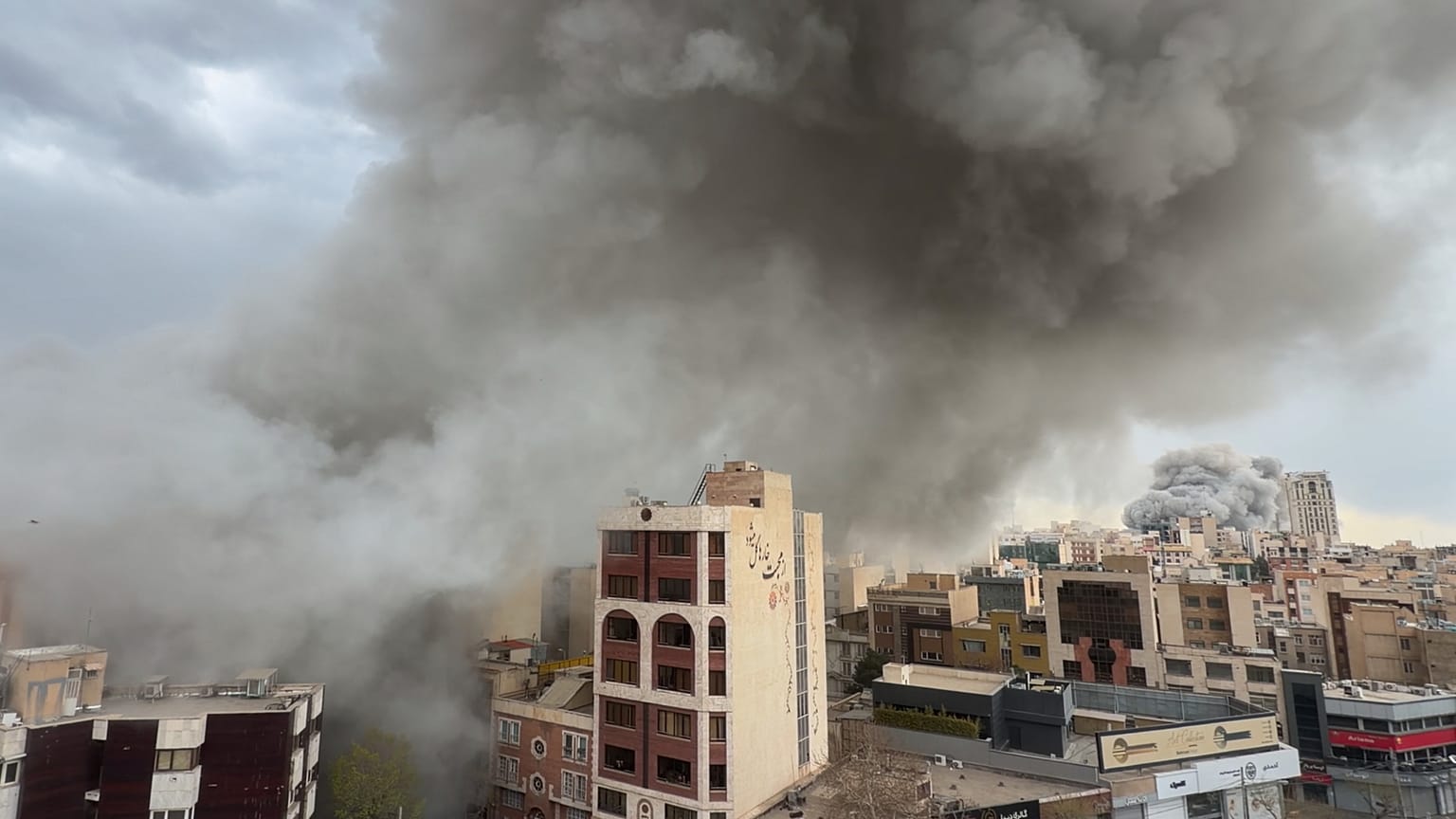
UPDATE: U.S. President Donald Trump has confirmed that the military campaign against Iran is now in its fourth day, with operations expected to last at least four to five weeks, but he is prepared for a prolonged conflict if necessary. The urgency of the situation escalates as Iran continues to launch aggressive attacks across the region, exacerbating tensions and threatening global security.
During a press briefing, Trump stated that the U.S. forces possess the capability to extend operations “far longer than that.” This declaration comes as Iranian forces have targeted key sites in Israel and multiple locations within Gulf states, including significant energy facilities in Qatar and the American Embassy in Saudi Arabia.
In a bold statement, Iran’s Revolutionary Guards announced that they have effectively closed the Strait of Hormuz, a vital maritime route for global oil transport. General Sardar Jabbari warned, “We will burn any ship that tries to pass through the Strait of Hormuz,” further asserting that Iran will target oil pipelines to prevent any oil from leaving the region. Analysts predict that oil prices could soar to $200 per barrel in the coming days if these threats materialize.
As tensions rise, the U.S. Mission to Saudi Arabia issued an urgent security alert, advising citizens in Jeddah, Riyadh, and Dhahran to shelter in place. The situation remains fluid, and U.S. citizens are urged to stay informed through official channels.
“They started building new sites, new places, underground bunkers that would make their ballistic missile program and their atomic bomb programme immune within months,” said Israeli Prime Minister Benjamin Netanyahu in an interview with FOX News, justifying the military action against Iran. However, he provided no evidence to back his claims.
Meanwhile, satellite imagery analyzed by The Associated Press indicated limited activity at two Iranian nuclear sites prior to the U.S.-Israel strikes, suggesting Tehran may be assessing damages from the ongoing bombardments.
Oil markets reacted sharply to these developments, with energy prices climbing due to disruptions in the Strait of Hormuz, a crucial passage for a significant portion of the world’s oil and gas. As the conflict unfolds, the potential for further escalation looms, and international observers are closely monitoring the situation.
The world now watches as both the U.S. and Iran navigate this precarious conflict. What happens next could redefine geopolitical alliances and impact global energy prices significantly. Stay tuned for more updates as this story develops.

Mother Reveals Daughter’s Meningitis Seizure After Night Out

Major Oil Spill Disrupts Traffic in Donegal on March 16, 2026

Discovering Literature: The Joys of Rejoining a Public Library

Ted Season 2 Announced: Release Date & Trailer Updates Revealed

Research Ireland and UKRI Forge New Collaboration Agreement

David McGoldrick’s Impressive Scoring Streak Sparks World Cup Talk

Plane Crash Claims Lives of Publishing Heir, Pregnant Wife, and Pilot

Oscars Snub Brigitte Bardot Sparks Controversy Over In Memoriam

Meta Plans Major Layoffs to Offset Rising AI Investment Costs

Tributes Surge for 9-Year-Old Leon Briody After Cancer Battle

Aimee Osbourne Joins Family for Emotional Tribute to Ozzy

Danny Healy-Rae Considers Complaint After Altercation with Garda

Hawaii Commemorates 80 Years Since Hiroshima Bombing with Ceremony

Ireland Enjoys Summer Heat as Hurricane Erin Approaches Atlantic

Couple Convicted of Murdering Two-Year-Old Grandson in Wales

Gaza Aid Distribution Tragedy: 20 Killed Amid Ongoing Violence

Newcastle West Woman Patricia Foley Found Safe After Urgent Search

Fianna Fáil TDs Urgently Consider Maire Geoghegan-Quinn for Presidency
-
 Top Stories11 months ago
Tributes Surge for 9-Year-Old Leon Briody After Cancer Battle
-
 Entertainment1 year ago
Aimee Osbourne Joins Family for Emotional Tribute to Ozzy
-
 Politics1 year ago
Danny Healy-Rae Considers Complaint After Altercation with Garda
-
 World1 year ago
Hawaii Commemorates 80 Years Since Hiroshima Bombing with Ceremony
-
 Top Stories1 year ago
Ireland Enjoys Summer Heat as Hurricane Erin Approaches Atlantic
-
 World1 year ago
Couple Convicted of Murdering Two-Year-Old Grandson in Wales
-
 World1 year ago
Gaza Aid Distribution Tragedy: 20 Killed Amid Ongoing Violence
-
 Top Stories11 months ago
Newcastle West Woman Patricia Foley Found Safe After Urgent Search
-
 Top Stories1 year ago
Fianna Fáil TDs Urgently Consider Maire Geoghegan-Quinn for Presidency
-

 World1 year ago
Aristocrat Constance Marten and Partner Convicted of Infant Murder
-

 Top Stories1 year ago
Climbing Errigal: A Must-Do Summer Adventure in Donegal
-

 Top Stories1 year ago
Hike Donegal’s Errigal Mountain NOW for Unforgettable Summer Views