
Top Stories
Urgent Study: Weight-Loss Jab Users May Need Lifelong Treatment

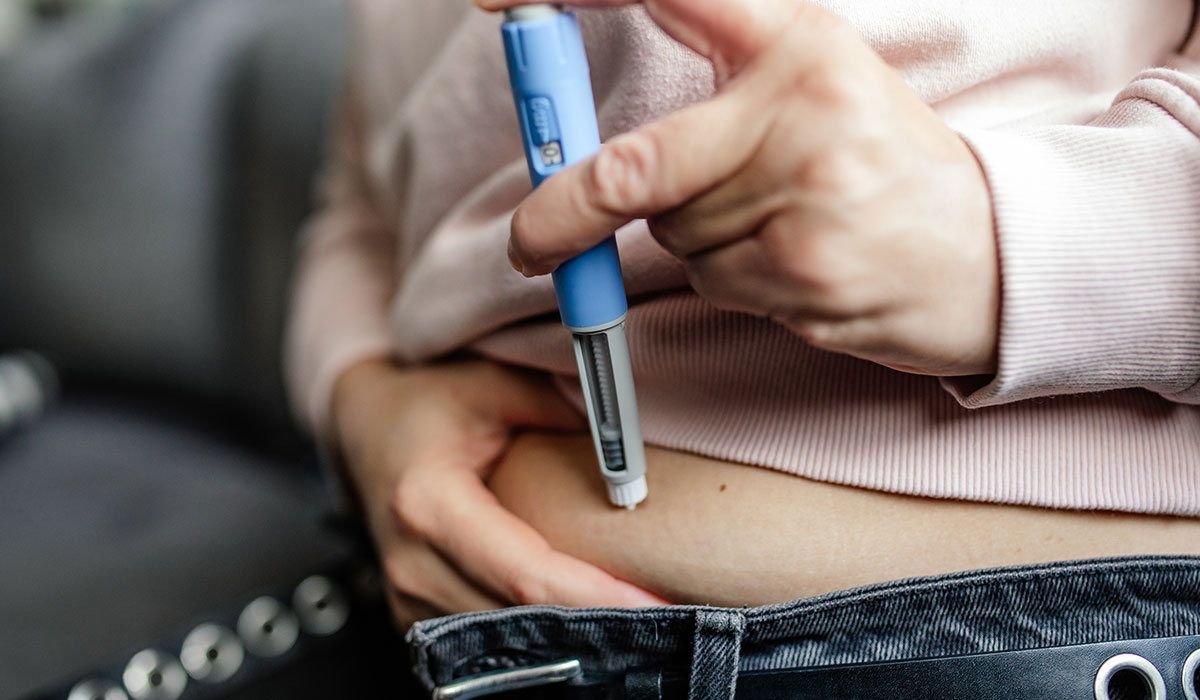
UPDATE: A groundbreaking study from Oxford University reveals that patients using weight-loss injections like Ozempic, Mounjaro, and Wegovy may need to remain on these treatments for life. The findings, based on an analysis of over 9,300 participants, show that most users regain weight rapidly after discontinuing the jabs, raising urgent concerns for health authorities and patients alike.
Experts warn that within just 17 to 20 months of stopping treatment, individuals could regain almost all the weight they lost, a phenomenon dubbed the “Ozempic rebound.” This is significantly faster than those who lose weight through conventional dieting methods. On average, former users gain approximately one pound per month after stopping, highlighting the urgent need for long-term treatment solutions.
Professor Donal O’Shea, the HSE’s lead on obesity in Ireland, emphasized, “It’s no surprise that if you stop treatment for a chronic disease, like obesity, the effect of that treatment will stop.” The implications of this study are profound, particularly for the 37% of the Irish population who are overweight and the 23% who are obese.
Cost is another pressing issue. Most patients privately pay up to €345 a month for these injections, leading to questions about the affordability of lifelong treatment. In early 2025, over 35,000 people in Ireland utilized Ozempic for diabetes, costing the state over €11 million in just one quarter. Meanwhile, the Health Products Regulatory Authority reported seizing over 11,000 unapproved doses of weight-loss jabs within eleven months, indicating a burgeoning black market.
The implications extend beyond weight regain. The study, published in the British Medical Journal, suggests that stopping these medications not only reverses weight loss but also negates crucial heart-health benefits. Cardiometabolic improvements, such as better blood sugar control and lower cholesterol, diminish in under 18 months once treatment ceases.
While those who relied solely on diet and exercise lost an average of 5 kg over a year, their weight regain was much slower, with only 0.1 kg per month, resulting in lasting health benefits. In contrast, the rapid weight gain associated with stopping injections underscores the need for a multifaceted approach to obesity management.
Professor Susan Jebb, a prominent researcher in the field, advocates for a “lifetime solution,” suggesting that continuous treatment or supportive behavioral changes are essential for long-term obesity management. “Obesity is a chronic relapsing condition, and these treatments need to be continued for life,” she stated.
As health authorities grapple with the implications of these findings, the need for effective, sustainable treatment options has never been more urgent. The study raises critical questions about how society will support those who rely on these medications to maintain their health and well-being.
In conclusion, the latest research confirms that while weight-loss jabs provide initial success, their long-term efficacy hinges on continued use. As this story develops, the focus will be on how healthcare systems adapt to these findings and support patients in managing obesity effectively.

Mother Reveals Daughter’s Meningitis Seizure After Night Out

Major Oil Spill Disrupts Traffic in Donegal on March 16, 2026

Discovering Literature: The Joys of Rejoining a Public Library

Ted Season 2 Announced: Release Date & Trailer Updates Revealed

Research Ireland and UKRI Forge New Collaboration Agreement

David McGoldrick’s Impressive Scoring Streak Sparks World Cup Talk

Plane Crash Claims Lives of Publishing Heir, Pregnant Wife, and Pilot

Oscars Snub Brigitte Bardot Sparks Controversy Over In Memoriam

Meta Plans Major Layoffs to Offset Rising AI Investment Costs

Tributes Surge for 9-Year-Old Leon Briody After Cancer Battle

Aimee Osbourne Joins Family for Emotional Tribute to Ozzy

Danny Healy-Rae Considers Complaint After Altercation with Garda

Hawaii Commemorates 80 Years Since Hiroshima Bombing with Ceremony

Ireland Enjoys Summer Heat as Hurricane Erin Approaches Atlantic

Couple Convicted of Murdering Two-Year-Old Grandson in Wales

Gaza Aid Distribution Tragedy: 20 Killed Amid Ongoing Violence

Newcastle West Woman Patricia Foley Found Safe After Urgent Search

Fianna Fáil TDs Urgently Consider Maire Geoghegan-Quinn for Presidency
-
 Top Stories11 months ago
Tributes Surge for 9-Year-Old Leon Briody After Cancer Battle
-
 Entertainment12 months ago
Aimee Osbourne Joins Family for Emotional Tribute to Ozzy
-
 Politics12 months ago
Danny Healy-Rae Considers Complaint After Altercation with Garda
-
 World1 year ago
Hawaii Commemorates 80 Years Since Hiroshima Bombing with Ceremony
-
 Top Stories11 months ago
Ireland Enjoys Summer Heat as Hurricane Erin Approaches Atlantic
-
 World1 year ago
Couple Convicted of Murdering Two-Year-Old Grandson in Wales
-
 World1 year ago
Gaza Aid Distribution Tragedy: 20 Killed Amid Ongoing Violence
-
 Top Stories11 months ago
Newcastle West Woman Patricia Foley Found Safe After Urgent Search
-
 Top Stories1 year ago
Fianna Fáil TDs Urgently Consider Maire Geoghegan-Quinn for Presidency
-

 World1 year ago
Aristocrat Constance Marten and Partner Convicted of Infant Murder
-

 Top Stories12 months ago
Climbing Errigal: A Must-Do Summer Adventure in Donegal
-

 Top Stories12 months ago
Hike Donegal’s Errigal Mountain NOW for Unforgettable Summer Views