
World
Avalanche Tragedy Strikes Swiss Alps as Death Toll Rises

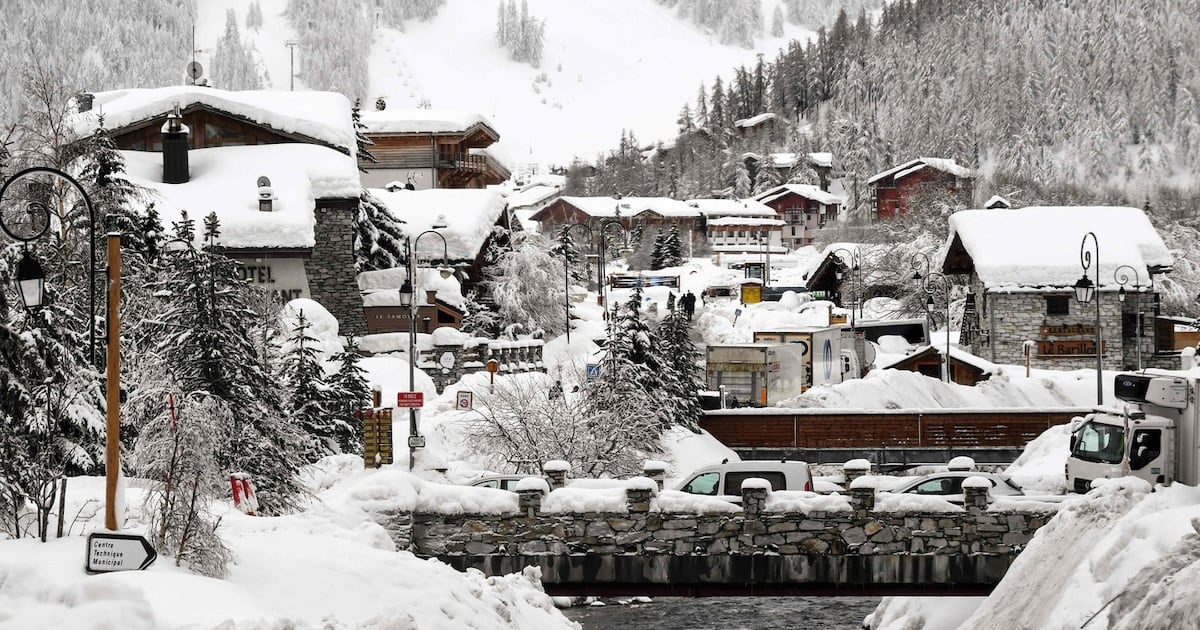
A tragic avalanche incident in the Swiss Alps has underscored the growing concern over safety during this ski season. On January 19, 2023, three skiers, including a 53-year-old Irish man, faced a considerable avalanche risk while descending the east face of the Six Noir in the canton of Valais. The area had recently experienced a series of avalanches, attributed to a combination of fresh snowfall, wind, and temperature changes that destabilized the snowpack.
The Swiss Institute for Snow and Avalanche Research had classified the avalanche danger level as “considerable” that day, indicating heightened risks for off-piste skiing. The three skiers were equipped with avalanche transceivers, devices crucial for locating individuals buried under snow. Shortly after noon, the avalanche struck, sweeping the Irish skier away. His companions activated their transceivers and called for help, enabling trained responders from the Valais rescue service to arrive swiftly, aided by helicopters from Air-Glaciers. Despite efforts to resuscitate him on-site, he succumbed to his injuries later that night.
Avalanches claim an average of 100 lives annually across Europe, according to the European Avalanche Warning Services. This ski season has already seen 60 fatalities, with nine occurring in Switzerland during January alone. The risk of suffocation is the most significant concern for those fully buried under snow, as survival rates drop below 50 percent within 20 minutes without timely rescue.
Peter Vanovertveld, a Belgian former ski instructor who experienced an avalanche in 2020 on Mont Blanc, shared his harrowing recollections. “It was terrifying and humbling,” he remarked. His experience highlighted the critical importance of being equipped for such situations, as he survived due to an airbag that provided both buoyancy and an air pocket.
Daire O’Connell, a former chairman of the Irish Association of Snow-Sports Instructors, emphasized the significance of group management when skiing in avalanche-prone areas. He noted that January’s high fatality rate in Switzerland could be linked to a dry start followed by heavy snowfall, creating conditions conducive to slab avalanches, where layers of snow fail to bond effectively.
John Harding, director of the UN’s Climate Risk and Early Warning Systems Initiative, praised the daily avalanche bulletins issued in Switzerland and France. He advocates for skiers to carry essential safety equipment, including a snow probe and shovel, while reminding them of the importance of understanding avalanche risks and practicing the proper use of safety gear. He advised that anyone not trained should retreat when weather conditions deteriorate.
Helicopter rescues have become increasingly common this season. Air-Glaciers has conducted approximately 750 rescue missions in the past two months, primarily in response to accidents linked to skiing activities. The Air-Glaciers Rescue Card, which covers emergency rescue and transportation costs, starts at €38 for individuals and €88 for families. While many skiers hope for a safe experience, the reality remains that the mountains can be unpredictable and dangerous.
As the ski season progresses, the tragic incident serves as a sobering reminder of the potential hazards associated with off-piste skiing. Skiers are urged to remain vigilant and prioritize safety to prevent further loss of life on the slopes.

Mother Reveals Daughter’s Meningitis Seizure After Night Out

Major Oil Spill Disrupts Traffic in Donegal on March 16, 2026

Discovering Literature: The Joys of Rejoining a Public Library

Ted Season 2 Announced: Release Date & Trailer Updates Revealed

Research Ireland and UKRI Forge New Collaboration Agreement

David McGoldrick’s Impressive Scoring Streak Sparks World Cup Talk

Plane Crash Claims Lives of Publishing Heir, Pregnant Wife, and Pilot

Oscars Snub Brigitte Bardot Sparks Controversy Over In Memoriam

Meta Plans Major Layoffs to Offset Rising AI Investment Costs

Tributes Surge for 9-Year-Old Leon Briody After Cancer Battle

Aimee Osbourne Joins Family for Emotional Tribute to Ozzy

Danny Healy-Rae Considers Complaint After Altercation with Garda

Hawaii Commemorates 80 Years Since Hiroshima Bombing with Ceremony

Ireland Enjoys Summer Heat as Hurricane Erin Approaches Atlantic

Couple Convicted of Murdering Two-Year-Old Grandson in Wales

Gaza Aid Distribution Tragedy: 20 Killed Amid Ongoing Violence

Newcastle West Woman Patricia Foley Found Safe After Urgent Search

Fianna Fáil TDs Urgently Consider Maire Geoghegan-Quinn for Presidency
-
 Top Stories10 months ago
Tributes Surge for 9-Year-Old Leon Briody After Cancer Battle
-
 Entertainment12 months ago
Aimee Osbourne Joins Family for Emotional Tribute to Ozzy
-
 Politics12 months ago
Danny Healy-Rae Considers Complaint After Altercation with Garda
-
 World1 year ago
Hawaii Commemorates 80 Years Since Hiroshima Bombing with Ceremony
-
 Top Stories11 months ago
Ireland Enjoys Summer Heat as Hurricane Erin Approaches Atlantic
-
 World1 year ago
Couple Convicted of Murdering Two-Year-Old Grandson in Wales
-
 World1 year ago
Gaza Aid Distribution Tragedy: 20 Killed Amid Ongoing Violence
-
 Top Stories10 months ago
Newcastle West Woman Patricia Foley Found Safe After Urgent Search
-
 Top Stories1 year ago
Fianna Fáil TDs Urgently Consider Maire Geoghegan-Quinn for Presidency
-

 World1 year ago
Aristocrat Constance Marten and Partner Convicted of Infant Murder
-

 Top Stories12 months ago
Climbing Errigal: A Must-Do Summer Adventure in Donegal
-

 Top Stories12 months ago
Hike Donegal’s Errigal Mountain NOW for Unforgettable Summer Views