
World
Bangladesh Elections Signal Shift Towards China, Strain on India

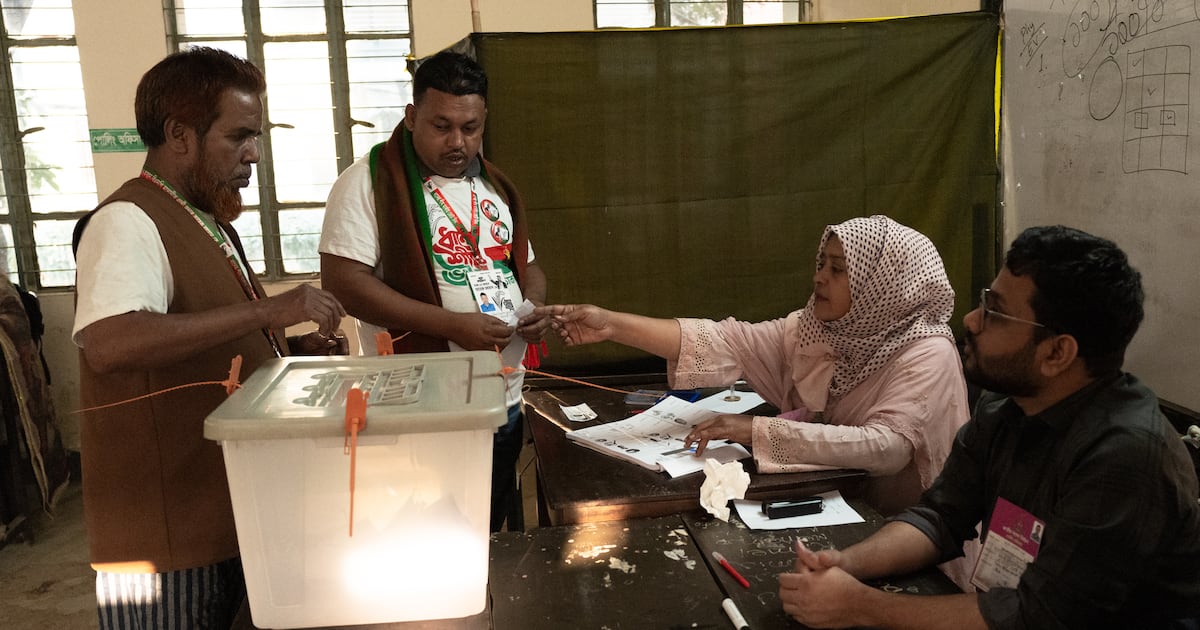
Elections in Bangladesh today mark a significant moment for the country’s political landscape, as they represent the first truly competitive electoral contest since 2008. The outcome of this vote could influence Bangladesh’s foreign policy direction, particularly its growing ties with China and a potential distancing from India.
The elections come two years after a period of political upheaval that led to the fall of former Prime Minister Sheikh Hasina. Currently, Bangladesh is being led by interim Prime Minister Muhammad Yunus, who has fostered closer relationships with China and several majority-Muslim nations, including Pakistan and Turkey. This shift has raised concerns in Washington, particularly regarding the implications for regional stability in South Asia.
Under Hasina’s leadership, which lasted 15 years, Bangladesh maintained strong ties with India. She remains in exile in India, facing a death sentence in Bangladesh for her role in a violent crackdown on protests. In contrast, Yunus’s administration has embraced China as a strategic partner, enhancing economic and defense collaborations. Recent agreements include plans to construct a drone factory close to the Bangladesh-India border, highlighting the growing military cooperation between Dhaka and Beijing.
Bangladesh is also in negotiations with Pakistan to acquire the JF-17 Thunder fighter jet, a combat aircraft developed in collaboration with China. Additionally, the nation is strengthening its existing defense partnership with Turkey. These developments signal a significant shift in Bangladesh’s foreign policy that could alter the regional power dynamics, particularly at India’s expense.
The political landscape in Bangladesh is marked by the exclusion of Hasina’s Awami League party from the current elections. Polling suggests that the two leading parties, the Bangladesh Nationalist Party (BNP) and the Islamist Jamaat-e-Islami, are likely to continue on the current trajectory of foreign relations. The BNP has historically been less favorable towards India compared to Hasina’s party, while Jamaat-e-Islami has historical ties to Pakistan. Recent statements from BNP leader Tarique Rahman indicate a softening of criticism towards New Delhi, aiming to strike a balance that could avoid significant diplomatic fallout.
While neither of these parties is expected to break relations with India, the current geopolitical shift does not bode well for New Delhi. The Indian government, which shares a 4,000-kilometer border with Bangladesh, may find it challenging to return to the strong alignment it enjoyed under Hasina’s leadership.
The United States is closely monitoring this evolving situation. In a recent statement to Reuters, U.S. Ambassador to Bangladesh Brent Christensen expressed concerns over expanding Chinese influence in South Asia. He reiterated Washington’s commitment to collaborating with the Bangladeshi government, regardless of the election outcome, to address potential risks associated with closer ties to China. The U.S. aims to provide alternatives for military needs, emphasizing a desire for a strong relationship between Bangladesh and India.
As Bangladesh moves forward in this election, the implications of its foreign policy decisions will resonate well beyond its borders. The results will not only determine the future of domestic governance but also shape the geopolitical landscape of South Asia for years to come.

Mother Reveals Daughter’s Meningitis Seizure After Night Out

Major Oil Spill Disrupts Traffic in Donegal on March 16, 2026

Discovering Literature: The Joys of Rejoining a Public Library

Ted Season 2 Announced: Release Date & Trailer Updates Revealed

Research Ireland and UKRI Forge New Collaboration Agreement

David McGoldrick’s Impressive Scoring Streak Sparks World Cup Talk

Plane Crash Claims Lives of Publishing Heir, Pregnant Wife, and Pilot

Oscars Snub Brigitte Bardot Sparks Controversy Over In Memoriam

Meta Plans Major Layoffs to Offset Rising AI Investment Costs

Tributes Surge for 9-Year-Old Leon Briody After Cancer Battle

Aimee Osbourne Joins Family for Emotional Tribute to Ozzy

Danny Healy-Rae Considers Complaint After Altercation with Garda

Hawaii Commemorates 80 Years Since Hiroshima Bombing with Ceremony

Ireland Enjoys Summer Heat as Hurricane Erin Approaches Atlantic

Couple Convicted of Murdering Two-Year-Old Grandson in Wales

Gaza Aid Distribution Tragedy: 20 Killed Amid Ongoing Violence

Newcastle West Woman Patricia Foley Found Safe After Urgent Search

Fianna Fáil TDs Urgently Consider Maire Geoghegan-Quinn for Presidency
-
 Top Stories10 months ago
Tributes Surge for 9-Year-Old Leon Briody After Cancer Battle
-
 Entertainment12 months ago
Aimee Osbourne Joins Family for Emotional Tribute to Ozzy
-
 Politics12 months ago
Danny Healy-Rae Considers Complaint After Altercation with Garda
-
 World1 year ago
Hawaii Commemorates 80 Years Since Hiroshima Bombing with Ceremony
-
 Top Stories11 months ago
Ireland Enjoys Summer Heat as Hurricane Erin Approaches Atlantic
-
 World1 year ago
Couple Convicted of Murdering Two-Year-Old Grandson in Wales
-
 World1 year ago
Gaza Aid Distribution Tragedy: 20 Killed Amid Ongoing Violence
-
 Top Stories10 months ago
Newcastle West Woman Patricia Foley Found Safe After Urgent Search
-
 Top Stories1 year ago
Fianna Fáil TDs Urgently Consider Maire Geoghegan-Quinn for Presidency
-

 World1 year ago
Aristocrat Constance Marten and Partner Convicted of Infant Murder
-

 Top Stories12 months ago
Climbing Errigal: A Must-Do Summer Adventure in Donegal
-

 Top Stories12 months ago
Hike Donegal’s Errigal Mountain NOW for Unforgettable Summer Views