
World
Denmark’s Frederiksen Calls Election amid Greenland Tensions

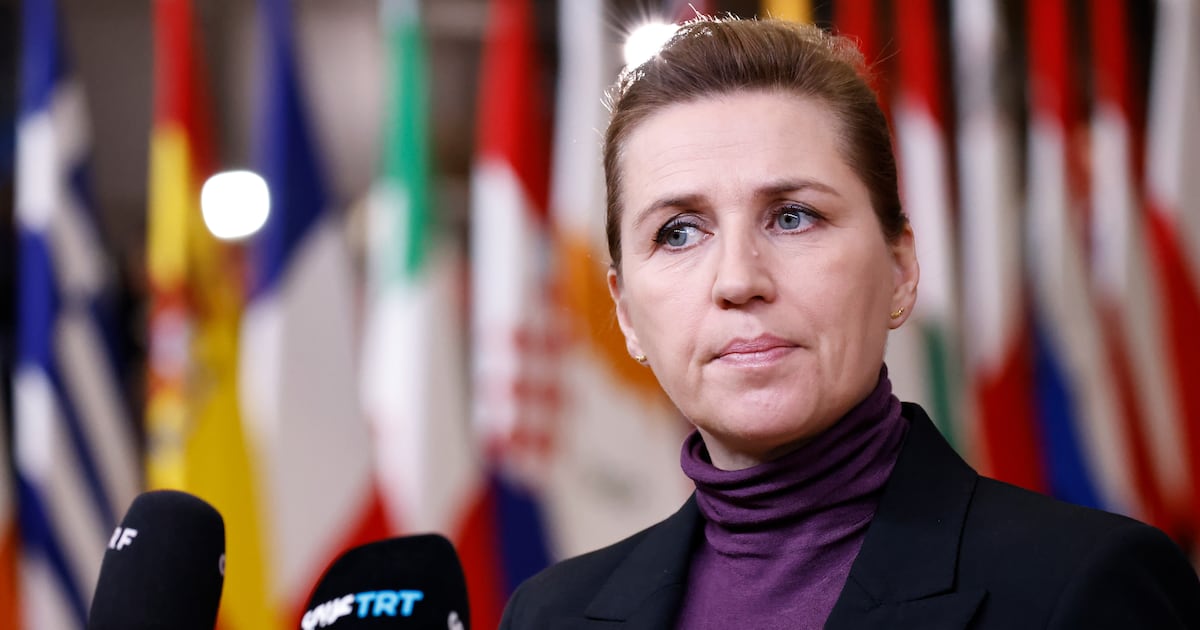
Denmark will hold its parliamentary elections on March 24, 2025, as Prime Minister Mette Frederiksen aims to leverage increased public support stemming from her firm stance against United States pressure regarding Greenland. This announcement comes in the wake of Frederiksen’s efforts to unite European leaders against US President Donald Trump‘s renewed interest in the Arctic territory, a move that has resonated with the Danish public amid ongoing concerns about living costs and welfare services.
Frederiksen described the upcoming election as “decisive,” asserting that the next four years will be critical for Denmark and Europe. “We need to define our relationship with the United States, and we must rearm to ensure peace on our continent,” she stated. She emphasized the importance of European unity and the security of the Danish Commonwealth, which includes Denmark, Greenland, and the Faroe Islands.
The Greenland situation has elevated Frederiksen’s profile on the international stage. Her leadership during the Covid-19 pandemic and her advocacy for European support for Ukraine have garnered attention. The election will test whether voters reward her international leadership and commitment to Danish sovereignty or hold her accountable for domestic challenges.
Denmark’s government is a unique coalition of Frederiksen’s Social Democrats, the centre-right Liberal Party, and the Moderates. Formed in 2022 as a crisis government, this coalition now faces the potential loss of its majority as political parties realign along traditional left-right lines. The Social Democrats recently experienced a setback in the 2025 municipal elections, marking the first time in 87 years that they lost the mayoralty of Copenhagen.
Support for the Social Democrats significantly declined in December, dropping to 17 percent. However, recent polls indicate a recovery to 22 percent, attributed to Frederiksen’s handling of the Greenland issue. In contrast, during the 2022 general election, the party secured 28 percent of the vote.
The government’s controversial decision in 2023 to abolish the Great Prayer Day public holiday to fund increased defence spending sparked public dissent, despite widespread support for military investment. Critics argue that the elimination of the holiday was unnecessary given Denmark’s robust economic growth. The opposition Green Left party, a historical ally of the Social Democrats, has pledged to restore the holiday if they win the election, a proposal the Social Democrats have not dismissed.
As Denmark approaches this pivotal election, the electorate will be closely watching how issues of national sovereignty, economic challenges, and international relations play out in the voting booth.

Mother Reveals Daughter’s Meningitis Seizure After Night Out

Major Oil Spill Disrupts Traffic in Donegal on March 16, 2026

Discovering Literature: The Joys of Rejoining a Public Library

Ted Season 2 Announced: Release Date & Trailer Updates Revealed

Research Ireland and UKRI Forge New Collaboration Agreement

David McGoldrick’s Impressive Scoring Streak Sparks World Cup Talk

Plane Crash Claims Lives of Publishing Heir, Pregnant Wife, and Pilot

Oscars Snub Brigitte Bardot Sparks Controversy Over In Memoriam

Meta Plans Major Layoffs to Offset Rising AI Investment Costs

Tributes Surge for 9-Year-Old Leon Briody After Cancer Battle

Aimee Osbourne Joins Family for Emotional Tribute to Ozzy

Danny Healy-Rae Considers Complaint After Altercation with Garda

Hawaii Commemorates 80 Years Since Hiroshima Bombing with Ceremony

Ireland Enjoys Summer Heat as Hurricane Erin Approaches Atlantic

Couple Convicted of Murdering Two-Year-Old Grandson in Wales

Gaza Aid Distribution Tragedy: 20 Killed Amid Ongoing Violence

Newcastle West Woman Patricia Foley Found Safe After Urgent Search

Fianna Fáil TDs Urgently Consider Maire Geoghegan-Quinn for Presidency
-
 Top Stories10 months ago
Tributes Surge for 9-Year-Old Leon Briody After Cancer Battle
-
 Entertainment12 months ago
Aimee Osbourne Joins Family for Emotional Tribute to Ozzy
-
 Politics12 months ago
Danny Healy-Rae Considers Complaint After Altercation with Garda
-
 World1 year ago
Hawaii Commemorates 80 Years Since Hiroshima Bombing with Ceremony
-
 Top Stories11 months ago
Ireland Enjoys Summer Heat as Hurricane Erin Approaches Atlantic
-
 World1 year ago
Couple Convicted of Murdering Two-Year-Old Grandson in Wales
-
 World1 year ago
Gaza Aid Distribution Tragedy: 20 Killed Amid Ongoing Violence
-
 Top Stories10 months ago
Newcastle West Woman Patricia Foley Found Safe After Urgent Search
-
 Top Stories1 year ago
Fianna Fáil TDs Urgently Consider Maire Geoghegan-Quinn for Presidency
-

 World1 year ago
Aristocrat Constance Marten and Partner Convicted of Infant Murder
-

 Top Stories12 months ago
Climbing Errigal: A Must-Do Summer Adventure in Donegal
-

 Top Stories12 months ago
Hike Donegal’s Errigal Mountain NOW for Unforgettable Summer Views