
World
Escalating Conflict: US Military Actions Spark Global Tensions

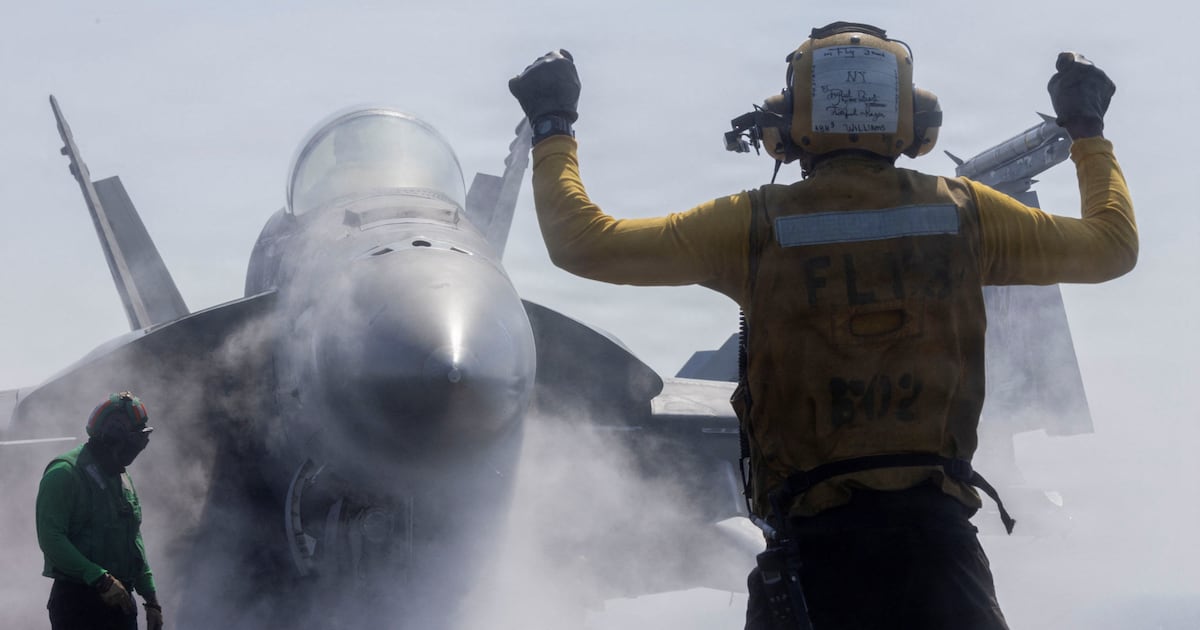
Tensions in the Middle East have escalated significantly as military actions by the United States and its allies raise concerns about broader regional instability. Following an attack on Iran initiated by former President Donald Trump, Israel has commenced airstrikes in Lebanon, responding to recent rocket attacks from Hezbollah. This situation marks a troubling expansion of military conflict in the region.
Iran has reciprocated by targeting several Gulf nations, including Bahrain, Kuwait, Oman, Qatar, and the United Arab Emirates (UAE). The Gulf states have sought to maintain neutrality, explicitly refusing to allow the United States to use their territory for military operations against Iran. However, as Iran intensifies its offensive, particularly against pivotal financial centers like Dubai, these nations may reconsider their stance in exchange for increased security from the US.
In the UK, Keir Starmer has reversed his earlier refusal to allow US forces access to British military bases, citing the need to protect British citizens and interests abroad. Starmer’s shift comes after Iran’s retaliatory strikes raised legal and moral questions about the US’s military actions, which many view as violations of international law.
The international response to these developments has been revealing. While China and Russia, allies of Iran, condemned the US actions, their response has been limited to diplomatic gatherings, such as a recent meeting of the United Nations Security Council. China’s economic ties to Iran exist but are dwarfed by its relationships with Saudi Arabia and the UAE, complicating the geopolitical landscape.
Interestingly, many Western allies have not condemned the US’s actions, instead expressing solidarity with the military interventions. Ursula von der Leyen, President of the European Commission, has publicly celebrated the US’s military tactics, while figures like Mark Carney of Canada have endorsed the attacks, citing their significance.
In contrast, some European leaders have adopted a more cautious approach. Pedro Sánchez, the Prime Minister of Spain, emphasized the necessity of adhering to international law and called for a diplomatic resolution to the conflict. He articulated a clear stance against the US-led military actions, stressing that while the Iranian regime is widely criticized, military intervention without proper authorization undermines international norms.
Sánchez’s comments reflect a growing concern among many nations regarding the unchecked nature of American military power. Despite a diminishing share of the global economy, the US continues to exert significant influence through military means. The recent events serve as a stark reminder of the delicate balance of power in international relations and the potential ramifications for global stability.
As the situation evolves, the call for de-escalation and renewed dialogue remains urgent. The actions taken in the coming days by both US allies and adversaries will likely shape the future of Middle Eastern geopolitics and could have lasting implications for international relations worldwide.

Mother Reveals Daughter’s Meningitis Seizure After Night Out

Major Oil Spill Disrupts Traffic in Donegal on March 16, 2026

Discovering Literature: The Joys of Rejoining a Public Library

Ted Season 2 Announced: Release Date & Trailer Updates Revealed

Research Ireland and UKRI Forge New Collaboration Agreement

David McGoldrick’s Impressive Scoring Streak Sparks World Cup Talk

Plane Crash Claims Lives of Publishing Heir, Pregnant Wife, and Pilot

Oscars Snub Brigitte Bardot Sparks Controversy Over In Memoriam

Meta Plans Major Layoffs to Offset Rising AI Investment Costs

Tributes Surge for 9-Year-Old Leon Briody After Cancer Battle

Aimee Osbourne Joins Family for Emotional Tribute to Ozzy

Danny Healy-Rae Considers Complaint After Altercation with Garda

Hawaii Commemorates 80 Years Since Hiroshima Bombing with Ceremony

Ireland Enjoys Summer Heat as Hurricane Erin Approaches Atlantic

Couple Convicted of Murdering Two-Year-Old Grandson in Wales

Gaza Aid Distribution Tragedy: 20 Killed Amid Ongoing Violence

Newcastle West Woman Patricia Foley Found Safe After Urgent Search

Fianna Fáil TDs Urgently Consider Maire Geoghegan-Quinn for Presidency
-
 Top Stories10 months ago
Tributes Surge for 9-Year-Old Leon Briody After Cancer Battle
-
 Entertainment12 months ago
Aimee Osbourne Joins Family for Emotional Tribute to Ozzy
-
 Politics12 months ago
Danny Healy-Rae Considers Complaint After Altercation with Garda
-
 World1 year ago
Hawaii Commemorates 80 Years Since Hiroshima Bombing with Ceremony
-
 Top Stories11 months ago
Ireland Enjoys Summer Heat as Hurricane Erin Approaches Atlantic
-
 World1 year ago
Couple Convicted of Murdering Two-Year-Old Grandson in Wales
-
 World1 year ago
Gaza Aid Distribution Tragedy: 20 Killed Amid Ongoing Violence
-
 Top Stories10 months ago
Newcastle West Woman Patricia Foley Found Safe After Urgent Search
-
 Top Stories1 year ago
Fianna Fáil TDs Urgently Consider Maire Geoghegan-Quinn for Presidency
-

 World1 year ago
Aristocrat Constance Marten and Partner Convicted of Infant Murder
-

 Top Stories12 months ago
Climbing Errigal: A Must-Do Summer Adventure in Donegal
-

 Top Stories12 months ago
Hike Donegal’s Errigal Mountain NOW for Unforgettable Summer Views