
World
Europe Takes Action as Iran Conflict Escalates, Security Measures Intensify

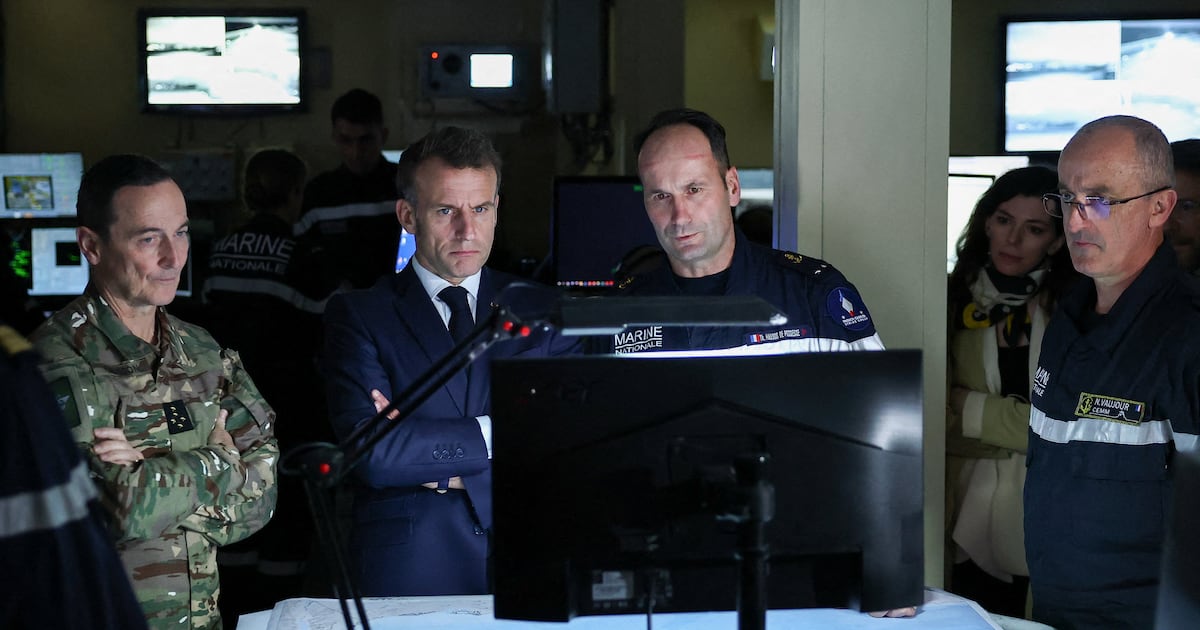
The ongoing conflict involving Iran, the United States, and Israel has prompted a concerted response from European leaders, who are scrambling to contain the repercussions of the escalating war. On March 11, 2024, French President Emmanuel Macron and Greek Prime Minister Kyriakos Mitsotakis visited Cyprus to reinforce Europe’s commitment to the island’s security following an Iranian-made Shahed drone attack on the British Akrotiri airbase. This attack highlights the growing instability in the region and the increasing risks to European territories.
Drones launched from Lebanon by Iran’s ally, Hizbullah, targeted the Akrotiri airbase, while two additional drones were intercepted in Lebanese airspace, reportedly heading towards Larnaca International Airport. General Sardar Jabbari of the Iranian Revolutionary Guard indicated that the shift of US aircraft to Akrotiri has placed the base within a critical scope for potential attacks.
European leaders have adopted varying responses to the conflict. The United Kingdom, while not joining the military offensive, has deployed a warship to protect the Akrotiri airbase and granted the US conditional permission to use the facility for limited defensive operations. British Prime Minister Keir Starmer articulated the necessity of preemptive measures, stating, “The only way to stop the threat [posed by Iran] is to destroy [its] missiles at source.”
In contrast, German Chancellor Friedrich Merz acknowledged shared interests with the US and Israel in countering Iranian influence but has ruled out sending military support to Cyprus. Germany is currently prioritizing its focus on protecting Eastern European nations such as Poland, Romania, and Lithuania.
Spanish Prime Minister Pedro Sánchez, expressing skepticism about military intervention, emphasized the importance of adhering to international law. He remarked, “Today, more than ever, it is essential to remember that one can be against a hateful regime, as is the case with the Iranian regime but still oppose unjustified military intervention.” This perspective resonates with the positions taken by Ireland, Austria, and Malta, reflecting a cautious approach to the conflict.
As part of its military commitments, Spain has deployed the frigate Cristóbal Colón to Cypriot waters, equipped with a high-precision anti-missile defense system capable of intercepting targets up to 150 kilometers away. Greece has also mobilized resources, sending four F-16 Viper fighter planes and two frigates to bolster security measures in Cyprus. France has contributed navy ships and anti-drone systems, while both Italy and the Netherlands have pledged to send frigates to support the region.
The war’s economic ramifications are being acutely felt across Europe, which heavily relies on Gulf oil. According to former International Monetary Fund chief economist Maurice Obstfeld, the conflict is impacting European economies more severely than those in the United States. The prolonged closure of the Strait of Hormuz, through which 20 percent of Gulf oil exports transit, has led to a surge in oil prices, reaching a four-year peak.
Transport costs for air exports from Asia to Europe have risen by 45 percent, significantly outpacing the increases for shipments to the US. The United States has also been affected, with rising petrol prices and farmers facing escalating costs for essential nutrients. If the conflict continues beyond initial expectations, supply chain disruptions are anticipated, echoing previous challenges experienced during the Trump administration.
As European leaders navigate the complex geopolitical landscape, the situation remains fluid, with ongoing discussions about military involvement and economic strategies to mitigate the fallout from this expanding conflict. The implications of these developments extend beyond military considerations, affecting trade, energy security, and international relations.

Mother Reveals Daughter’s Meningitis Seizure After Night Out

Major Oil Spill Disrupts Traffic in Donegal on March 16, 2026

Discovering Literature: The Joys of Rejoining a Public Library

Ted Season 2 Announced: Release Date & Trailer Updates Revealed

Research Ireland and UKRI Forge New Collaboration Agreement

David McGoldrick’s Impressive Scoring Streak Sparks World Cup Talk

Plane Crash Claims Lives of Publishing Heir, Pregnant Wife, and Pilot

Oscars Snub Brigitte Bardot Sparks Controversy Over In Memoriam

Meta Plans Major Layoffs to Offset Rising AI Investment Costs

Tributes Surge for 9-Year-Old Leon Briody After Cancer Battle

Aimee Osbourne Joins Family for Emotional Tribute to Ozzy

Danny Healy-Rae Considers Complaint After Altercation with Garda

Hawaii Commemorates 80 Years Since Hiroshima Bombing with Ceremony

Ireland Enjoys Summer Heat as Hurricane Erin Approaches Atlantic

Couple Convicted of Murdering Two-Year-Old Grandson in Wales

Gaza Aid Distribution Tragedy: 20 Killed Amid Ongoing Violence

Newcastle West Woman Patricia Foley Found Safe After Urgent Search

Fianna Fáil TDs Urgently Consider Maire Geoghegan-Quinn for Presidency
-
 Top Stories10 months ago
Tributes Surge for 9-Year-Old Leon Briody After Cancer Battle
-
 Entertainment12 months ago
Aimee Osbourne Joins Family for Emotional Tribute to Ozzy
-
 Politics12 months ago
Danny Healy-Rae Considers Complaint After Altercation with Garda
-
 World1 year ago
Hawaii Commemorates 80 Years Since Hiroshima Bombing with Ceremony
-
 Top Stories11 months ago
Ireland Enjoys Summer Heat as Hurricane Erin Approaches Atlantic
-
 World1 year ago
Couple Convicted of Murdering Two-Year-Old Grandson in Wales
-
 World12 months ago
Gaza Aid Distribution Tragedy: 20 Killed Amid Ongoing Violence
-
 Top Stories10 months ago
Newcastle West Woman Patricia Foley Found Safe After Urgent Search
-
 Top Stories12 months ago
Fianna Fáil TDs Urgently Consider Maire Geoghegan-Quinn for Presidency
-

 World1 year ago
Aristocrat Constance Marten and Partner Convicted of Infant Murder
-

 Top Stories12 months ago
Climbing Errigal: A Must-Do Summer Adventure in Donegal
-

 Top Stories12 months ago
Hike Donegal’s Errigal Mountain NOW for Unforgettable Summer Views