
World
Political Rivals Clash in Budapest as Hungary Prepares for Elections

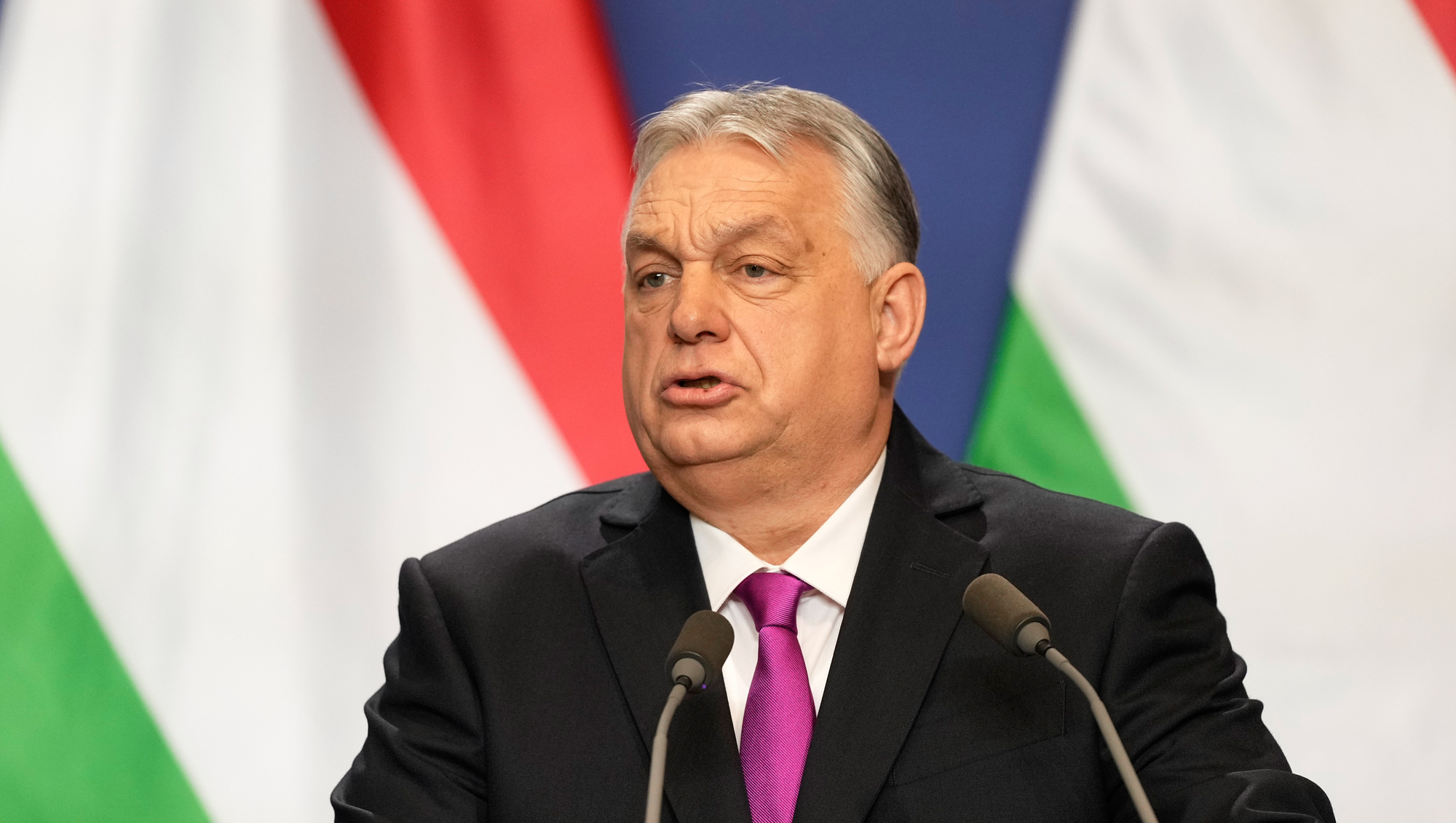
Feuding political parties in Hungary showcased their strength on March 15, as Prime Minister Viktor Orban and centre-right challenger Peter Magyar led rival marches in Budapest. This event marks a critical juncture in a tense election campaign ahead of the upcoming vote on April 12. Orban, who has been in power since 2010, faces significant challenges, including a stagnant economy and rising living costs, which have diminished his popularity.
Both Orban’s Fidesz Party and Magyar’s Tisza Party organized substantial gatherings to commemorate Hungary’s national day. Opinion polls indicate a growing lead for Tisza, indicating that Magyar may be emerging as a credible alternative to Orban. As tensions rise in the political landscape, Orban has framed the election as a stark choice between “war and peace,” alleging that his opponents are attempting to pull Hungary into the ongoing conflict in neighbouring Ukraine.
Supporters of Orban gathered in large numbers in Budapest, where they planned to march to parliament for a speech by the long-serving leader. One attendee, Maria Erdelyi, expressed her concerns about the war, stating, “Hungarians, young or old, should not be sent to the front lines, because this is a senseless war. This is only about money and nothing else.”
Orban has maintained a contentious relationship with the European Union regarding Ukraine, often defying Brussels on multiple fronts. He has fostered relationships with Moscow and has been resistant to sending military aid to Ukraine. Orban has also voiced his belief that Kyiv should not be permitted to join the EU.
Supporters of the Prime Minister, such as Jozsef Lados, praised him as “Europe’s best politician,” arguing that Hungary should remain with Orban instead of supporting Magyar, whom Lados labelled an “adventurer.” In contrast, Magyar has dismissed Orban’s campaign as “laughable propaganda.” Despite this, Tisza has taken a measured stance on Ukraine, opposing rapid EU accession for Kyiv and pledging to hold a binding referendum on the issue if they gain power.
As the election approaches, Hungary’s political landscape remains deeply divided. The upcoming vote will not only determine the country’s leadership but may also shape its future relationship with both the EU and Ukraine. With high stakes at play, the outcome of this election is being closely monitored both domestically and internationally.

Mother Reveals Daughter’s Meningitis Seizure After Night Out

Major Oil Spill Disrupts Traffic in Donegal on March 16, 2026

Discovering Literature: The Joys of Rejoining a Public Library

Ted Season 2 Announced: Release Date & Trailer Updates Revealed

Research Ireland and UKRI Forge New Collaboration Agreement

David McGoldrick’s Impressive Scoring Streak Sparks World Cup Talk

Plane Crash Claims Lives of Publishing Heir, Pregnant Wife, and Pilot

Oscars Snub Brigitte Bardot Sparks Controversy Over In Memoriam

Meta Plans Major Layoffs to Offset Rising AI Investment Costs

Tributes Surge for 9-Year-Old Leon Briody After Cancer Battle

Aimee Osbourne Joins Family for Emotional Tribute to Ozzy

Danny Healy-Rae Considers Complaint After Altercation with Garda

Hawaii Commemorates 80 Years Since Hiroshima Bombing with Ceremony

Ireland Enjoys Summer Heat as Hurricane Erin Approaches Atlantic

Couple Convicted of Murdering Two-Year-Old Grandson in Wales

Newcastle West Woman Patricia Foley Found Safe After Urgent Search

Fianna Fáil TDs Urgently Consider Maire Geoghegan-Quinn for Presidency

Gaza Aid Distribution Tragedy: 20 Killed Amid Ongoing Violence
-
 Top Stories7 months ago
Tributes Surge for 9-Year-Old Leon Briody After Cancer Battle
-
 Entertainment8 months ago
Aimee Osbourne Joins Family for Emotional Tribute to Ozzy
-
 Politics8 months ago
Danny Healy-Rae Considers Complaint After Altercation with Garda
-
 World9 months ago
Hawaii Commemorates 80 Years Since Hiroshima Bombing with Ceremony
-
 Top Stories8 months ago
Ireland Enjoys Summer Heat as Hurricane Erin Approaches Atlantic
-
 World9 months ago
Couple Convicted of Murdering Two-Year-Old Grandson in Wales
-
 Top Stories7 months ago
Newcastle West Woman Patricia Foley Found Safe After Urgent Search
-
 Top Stories9 months ago
Fianna Fáil TDs Urgently Consider Maire Geoghegan-Quinn for Presidency
-
 World9 months ago
Gaza Aid Distribution Tragedy: 20 Killed Amid Ongoing Violence
-

 World9 months ago
Aristocrat Constance Marten and Partner Convicted of Infant Murder
-

 Top Stories8 months ago
Hike Donegal’s Errigal Mountain NOW for Unforgettable Summer Views
-

 Top Stories8 months ago
Climbing Errigal: A Must-Do Summer Adventure in Donegal