
World
Russian Air Strikes Cut Power in Kyiv, Threaten Nuclear Safety

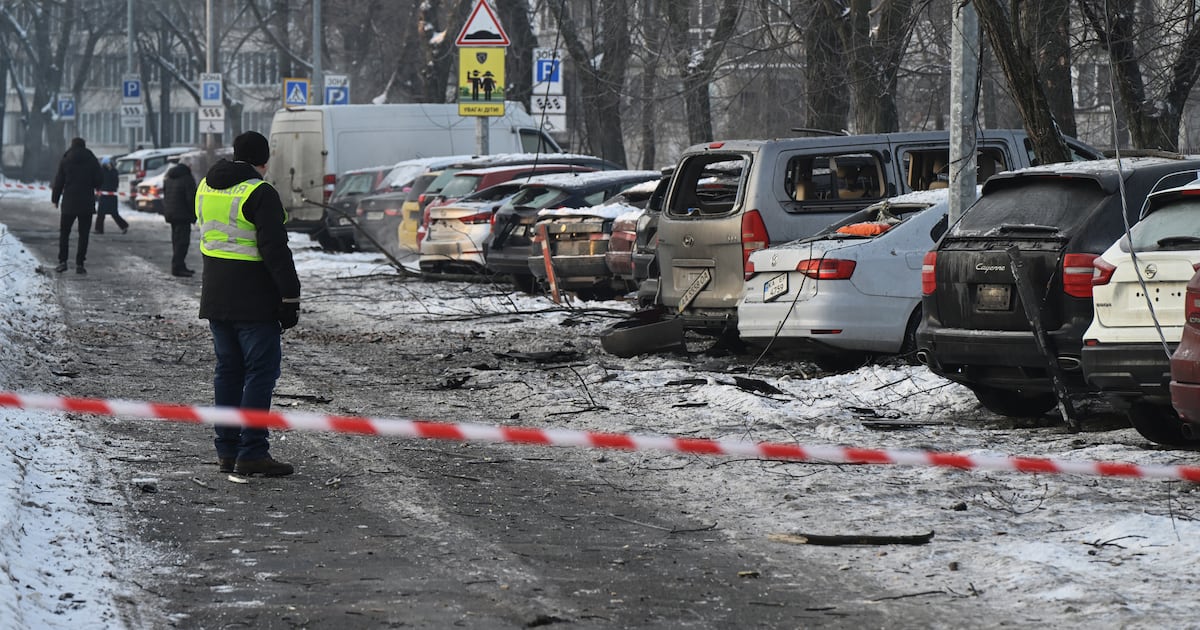
A recent Russian air attack on Ukraine has severely disrupted heating across Kyiv, leaving approximately 5,635 apartment buildings without warmth. The assault on October 31, 2023, also affected substations crucial for power distribution from the country’s nuclear plants, raising alarms about potential nuclear safety risks. This escalation is part of a broader winter offensive by Moscow against Ukraine’s already fragile energy infrastructure.
Kyiv’s mayor, Vitali Klitschko, reported that the Russian bombardment coincided with a cold snap, with temperatures plunging as low as minus 15 degrees Celsius. The International Atomic Energy Agency (IAEA) confirmed that several substations critical for maintaining nuclear safety were impacted, including the notorious Chernobyl plant, which lost all off-site power during the attack. Although the facility has since been reconnected, concerns remain about Moscow’s strategy of targeting energy infrastructure as a means of coercion.
Ukrainian officials had anticipated such attacks, with Andrii Sybiha, Ukraine’s Foreign Minister, emphasizing that Russian forces deliberately strike at substations, jeopardizing nuclear safety. The Ukrainian state grid operator, Ukrenergo, indicated that the recent assault involved over 330 drones and nearly three dozen missiles aimed at both power generation and distribution facilities.
In the northern region of Chernihiv, authorities reported that 87 percent of the population was without power. The attack left Kyiv with only half of the electricity it requires, exacerbating the ongoing humanitarian crisis. Residents have resorted to makeshift methods to keep warm, including heating bricks and using tents indoors, as repair crews work tirelessly to restore services.
The situation unfolded against the backdrop of renewed diplomatic efforts involving Ukrainian and US officials. President Volodymyr Zelenskiy urged for increased pressure on Moscow, asserting that the US could do more to support Ukraine’s defense. He expressed his willingness to attend the upcoming Davos economic forum, contingent on the US providing security guarantees and a post-war prosperity plan for Ukraine.
In the wake of the strikes, Zelenskiy highlighted that the financial impact of repelling the attacks was around €80 million. He reiterated the need for enhanced air defense systems from Ukraine’s allies to prevent further damage. The DTEK energy provider reported that about 335,000 residents initially lost power, with half of that restored by late morning as temperatures hovered around minus 10 degrees Celsius.
In addition to Kyiv, attacks also struck several other regions, including Vinnytsia, Dnipro, Odesa, and Zaporizhzhia. The ongoing conflict has caused significant damage to Ukraine’s energy infrastructure, with Economy Minister Oleksiy Sobolev estimating a loss of approximately 8.5 gigawatts of power generation capacity since late October.
As the winter season intensifies, the humanitarian crisis in Ukraine continues to deepen, with many residents facing dire conditions due to repeated power outages and the ongoing threat of military aggression from Russia.

Mother Reveals Daughter’s Meningitis Seizure After Night Out

Major Oil Spill Disrupts Traffic in Donegal on March 16, 2026

Discovering Literature: The Joys of Rejoining a Public Library

Ted Season 2 Announced: Release Date & Trailer Updates Revealed

Research Ireland and UKRI Forge New Collaboration Agreement

David McGoldrick’s Impressive Scoring Streak Sparks World Cup Talk

Plane Crash Claims Lives of Publishing Heir, Pregnant Wife, and Pilot

Oscars Snub Brigitte Bardot Sparks Controversy Over In Memoriam

Meta Plans Major Layoffs to Offset Rising AI Investment Costs

Tributes Surge for 9-Year-Old Leon Briody After Cancer Battle

Aimee Osbourne Joins Family for Emotional Tribute to Ozzy

Danny Healy-Rae Considers Complaint After Altercation with Garda

Hawaii Commemorates 80 Years Since Hiroshima Bombing with Ceremony

Ireland Enjoys Summer Heat as Hurricane Erin Approaches Atlantic

Couple Convicted of Murdering Two-Year-Old Grandson in Wales

Newcastle West Woman Patricia Foley Found Safe After Urgent Search

Fianna Fáil TDs Urgently Consider Maire Geoghegan-Quinn for Presidency

Gaza Aid Distribution Tragedy: 20 Killed Amid Ongoing Violence
-
 Top Stories7 months ago
Tributes Surge for 9-Year-Old Leon Briody After Cancer Battle
-
 Entertainment8 months ago
Aimee Osbourne Joins Family for Emotional Tribute to Ozzy
-
 Politics9 months ago
Danny Healy-Rae Considers Complaint After Altercation with Garda
-
 World9 months ago
Hawaii Commemorates 80 Years Since Hiroshima Bombing with Ceremony
-
 Top Stories8 months ago
Ireland Enjoys Summer Heat as Hurricane Erin Approaches Atlantic
-
 World9 months ago
Couple Convicted of Murdering Two-Year-Old Grandson in Wales
-
 Top Stories7 months ago
Newcastle West Woman Patricia Foley Found Safe After Urgent Search
-
 Top Stories9 months ago
Fianna Fáil TDs Urgently Consider Maire Geoghegan-Quinn for Presidency
-
 World9 months ago
Gaza Aid Distribution Tragedy: 20 Killed Amid Ongoing Violence
-

 World9 months ago
Aristocrat Constance Marten and Partner Convicted of Infant Murder
-

 Top Stories8 months ago
Hike Donegal’s Errigal Mountain NOW for Unforgettable Summer Views
-

 Top Stories8 months ago
Climbing Errigal: A Must-Do Summer Adventure in Donegal