
World
UN Council Condemns Iran for Brutal Crackdown on Protests

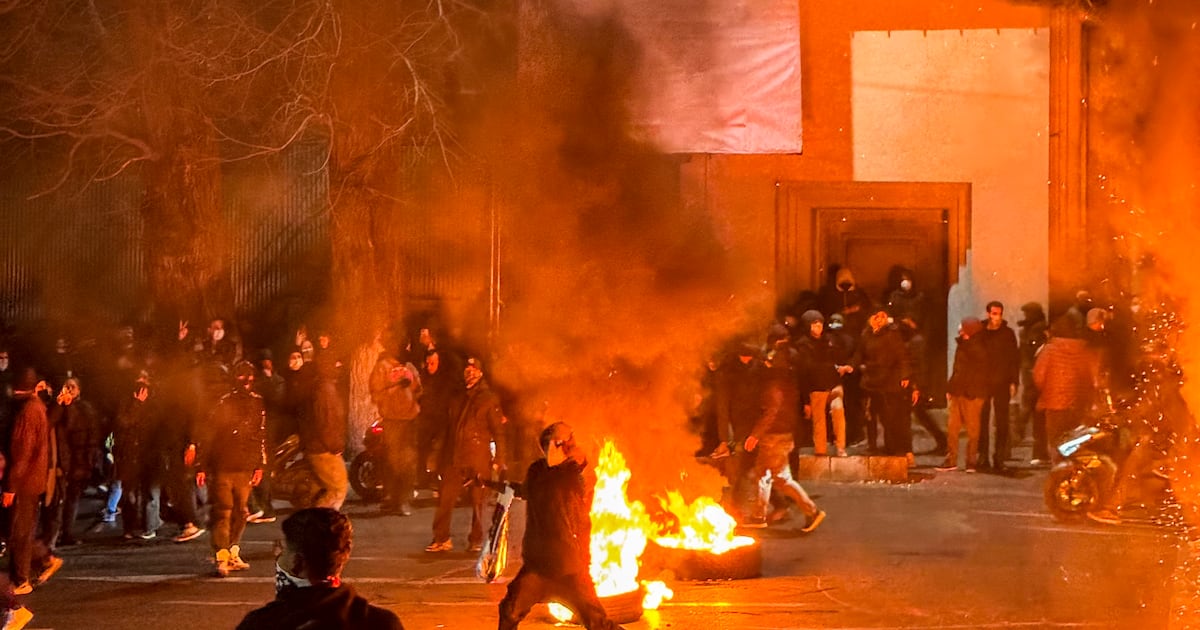
The United Nations Human Rights Council has condemned Iran for severe human rights violations during recent protests that resulted in thousands of deaths. During an emergency session held on March 15, 2024, UN High Commissioner for Human Rights, Volker Turk, urged Iranian authorities to halt their “brutal repression” and reconsider their approach to dissent. This condemnation follows a violent crackdown on demonstrations that has drawn international scrutiny and prompted calls for accountability.
The Council voted to extend its investigation into these events, which had initially begun in 2022. The aim is to document the latest unrest, described as the most significant suppression since the 1979 Iranian revolution, potentially paving the way for future legal proceedings against those responsible. Rights organizations, including the US-based HRANA, report that at least 4,519 individuals have died as a result of the unrest, with an additional 9,049 deaths under review. Meanwhile, Iranian officials claim a lower death toll of approximately 3,000, which includes both protesters and security personnel.
Global Reaction and Calls for Accountability
The resolution passed with support from 25 nations, including France, Mexico, and South Korea, while seven countries, such as China and India, voted against it, with 14 countries abstaining. Payam Akhavan, a former UN prosecutor, characterized the situation as “the worst mass murder in the contemporary history of Iran,” calling for what he termed a “Nuremberg moment,” referring to the post-World War II trials of Nazi leaders.
Iran’s ambassador to the UN in Geneva, Ali Bahreini, dismissed the session as invalid and criticized the Council’s resolution as politicized interference in Iran’s internal affairs. He stated that the nation has its own mechanisms for accountability regarding the recent events, asserting that the Iranian government is capable of investigating the root causes of the unrest independently.
Funding and Future Investigations
Complicating matters further, the sustainability of the extended UN inquiry is in question due to ongoing funding crises that have previously hindered other investigations. As the situation unfolds, the international community remains watchful, with varying opinions on the effectiveness and necessity of the UN’s actions.
The Iranian government has attributed the unrest to “terrorists and rioters” allegedly backed by foreign adversaries, including the United States and Israel. The contrasting narratives highlight the complexities surrounding the protests and the broader implications for human rights in Iran.
As global attention focuses on the events in Iran, the UN’s call for justice and accountability may serve as a pivotal moment for both Iranian citizens and the international community in addressing human rights violations.

Mother Reveals Daughter’s Meningitis Seizure After Night Out

Major Oil Spill Disrupts Traffic in Donegal on March 16, 2026

Discovering Literature: The Joys of Rejoining a Public Library

Ted Season 2 Announced: Release Date & Trailer Updates Revealed

Research Ireland and UKRI Forge New Collaboration Agreement

David McGoldrick’s Impressive Scoring Streak Sparks World Cup Talk

Plane Crash Claims Lives of Publishing Heir, Pregnant Wife, and Pilot

Oscars Snub Brigitte Bardot Sparks Controversy Over In Memoriam

Meta Plans Major Layoffs to Offset Rising AI Investment Costs

Tributes Surge for 9-Year-Old Leon Briody After Cancer Battle

Aimee Osbourne Joins Family for Emotional Tribute to Ozzy

Danny Healy-Rae Considers Complaint After Altercation with Garda

Hawaii Commemorates 80 Years Since Hiroshima Bombing with Ceremony

Ireland Enjoys Summer Heat as Hurricane Erin Approaches Atlantic

Couple Convicted of Murdering Two-Year-Old Grandson in Wales

Newcastle West Woman Patricia Foley Found Safe After Urgent Search

Fianna Fáil TDs Urgently Consider Maire Geoghegan-Quinn for Presidency

Gaza Aid Distribution Tragedy: 20 Killed Amid Ongoing Violence
-
 Top Stories7 months ago
Tributes Surge for 9-Year-Old Leon Briody After Cancer Battle
-
 Entertainment8 months ago
Aimee Osbourne Joins Family for Emotional Tribute to Ozzy
-
 Politics9 months ago
Danny Healy-Rae Considers Complaint After Altercation with Garda
-
 World9 months ago
Hawaii Commemorates 80 Years Since Hiroshima Bombing with Ceremony
-
 Top Stories8 months ago
Ireland Enjoys Summer Heat as Hurricane Erin Approaches Atlantic
-
 World9 months ago
Couple Convicted of Murdering Two-Year-Old Grandson in Wales
-
 Top Stories7 months ago
Newcastle West Woman Patricia Foley Found Safe After Urgent Search
-
 Top Stories9 months ago
Fianna Fáil TDs Urgently Consider Maire Geoghegan-Quinn for Presidency
-
 World9 months ago
Gaza Aid Distribution Tragedy: 20 Killed Amid Ongoing Violence
-

 World9 months ago
Aristocrat Constance Marten and Partner Convicted of Infant Murder
-

 Top Stories8 months ago
Hike Donegal’s Errigal Mountain NOW for Unforgettable Summer Views
-

 Top Stories8 months ago
Climbing Errigal: A Must-Do Summer Adventure in Donegal