
World
US and Israel Launch War on Iran, Escalating Regional Tensions

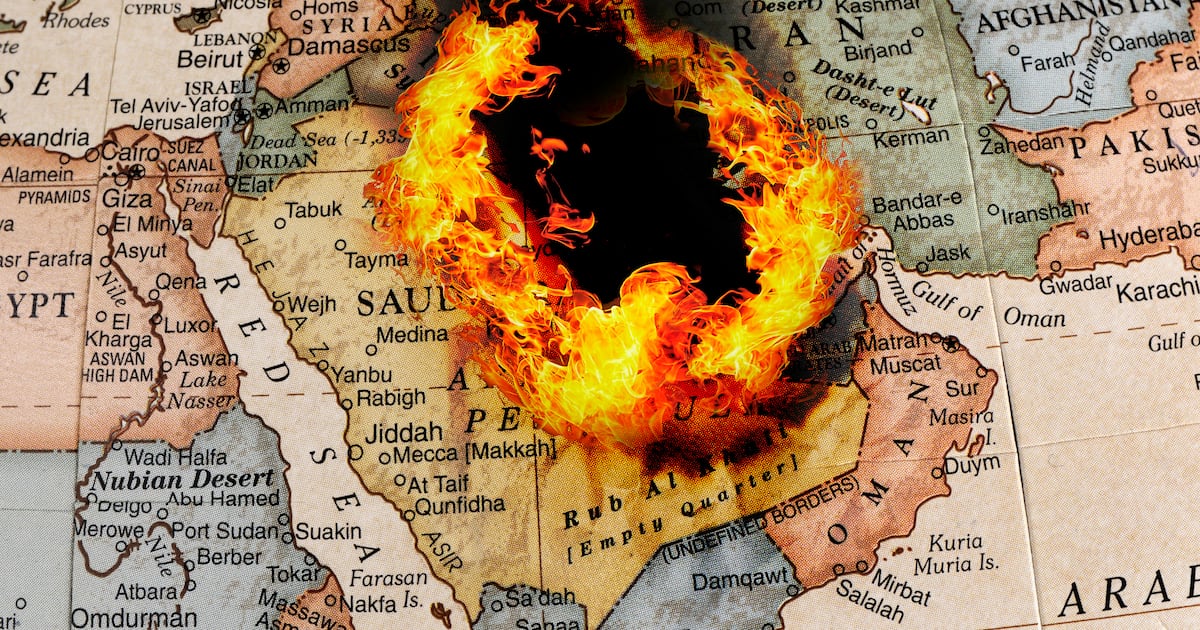
The conflict between the United States and Israel against Iran has intensified following a military strike that resulted in the death of Iranian leader Ayatollah Ali Khamenei. Since the attack, which occurred a week ago, hostilities have expanded across the Middle East and beyond, impacting shipping routes and air transport, particularly in Gulf cities such as Dubai, Abu Dhabi, and Doha. The situation has prompted foreign nationals to evacuate these areas, already under threat from Iranian missile and drone strikes.
The origins of the conflict remain murky, with varying accounts from US officials. President Donald Trump has declared the aim of the operation to be the protection of American citizens from what he describes as “imminent threats” posed by the Iranian regime. While Iran has consistently denied any intentions to develop nuclear weapons, it maintains its right to enrich uranium for civilian purposes under the Nuclear Non-Proliferation Treaty.
In 2015, a significant agreement was struck between Iran and several world powers, including the US, which curtailed Iran’s nuclear activities in exchange for relief from economic sanctions. However, Trump’s withdrawal from this deal in 2018 has led to escalating tensions, culminating in a twelve-day bombing campaign against Iran’s nuclear infrastructure in June of this year.
Negotiations regarding Iran’s nuclear program were ongoing in Geneva just prior to the recent attacks. Badr bin Hamad Al Busaidi, Oman’s foreign minister and a mediator in the discussions, expressed optimism about reaching a deal that would prevent Iran from obtaining nuclear weapons. He indicated that a breakthrough had been achieved, emphasizing that limiting Iran’s ability to stockpile enriched material was crucial to preventing the development of a bomb.
In the wake of the strikes on Iran, conflicting narratives emerged from US officials regarding the motivations behind the military action. While Secretary of State Marco Rubio suggested that the attack was a preemptive measure due to imminent threats from Iran, Trump has fluctuated between advocating for regime change and expressing a desire for stability.
The Gulf states initially positioned themselves neutrally, indicating that they would not permit the US to utilize their territories for attacks against Iran. However, following retaliatory missile strikes from Iran aimed at US military assets in Bahrain, Kuwait, Oman, Qatar, and the UAE, these nations have begun to reassess their stances. Many Gulf states share Israel’s perspective on Iran as a destabilizing force in the region, though recent developments have caused them to reconsider the potential ramifications of prolonged conflict.
The economic implications of this war are immense, particularly regarding the flow of oil and gas from the Gulf region. The Strait of Hormuz, a vital passage for one-fifth of the world’s oil supply, has seen shipping operations severely disrupted. Should this situation persist, oil-producing nations may be forced to reduce output due to limited storage capacities.
In addition to energy concerns, the war threatens the extensive aviation networks established by the UAE and Qatar, which have become crucial hubs for international travel. If these facilities are targeted, the economic fallout could rival that of disrupted energy supplies.
Despite the loss of key leadership figures, Iran has shown resilience in its military response. Its targets have extended beyond US assets, prompting retaliatory strikes against British bases in Cyprus following statements from Keir Starmer, the UK Prime Minister, regarding the use of British territories for US operations. Starmer had initially criticized the military engagement as poorly conceived and contrary to international law but later shifted his position under pressure from Gulf allies.
International reactions have varied, with some leaders, like Ursula von der Leyen, advocating for regime change in Iran, while others, such as Spain’s Pedro Sánchez, have condemned the military operations as unjustified and illegal. Ireland’s Foreign Affairs Minister, Helen McEntee, firmly stated that the US and Israel’s actions lack authorization from the United Nations, reinforcing Ireland’s commitment to international law.
The conflict carries serious implications for Europe, particularly concerning the safety of its military and economic interests in the region. Should European assets come under attack, there is potential for wider involvement in the conflict, which could further exacerbate the already strained relationship with Russia, especially regarding the supply of defensive weapons to Ukraine.
Iran has found diplomatic support from both Russia and China, although the extent of this support remains primarily rhetorical. China, while a significant market for Iranian oil, has urged Tehran to address the concerns of its neighboring countries, suggesting a preference for a swift resolution to the ongoing conflict.
As the situation develops, the potential for an informal ceasefire looms, echoing the conclusion of the previous twelve-day conflict. The timeline for this ceasefire remains uncertain and will depend heavily on the political resolve of the US. Trump could feasibly declare victory in a matter of days, but military operations may continue for weeks, coinciding with significant dates like Passover in early April.
The Gulf states, witnessing a depletion of their defensive capabilities, might increasingly push for de-escalation as Iranian attacks impose economic costs on both themselves and the US. If the Islamic Republic manages to endure the conflict, any resulting peace is likely to be tenuous and will not resolve the underlying tensions between Iran, the US, and Israel.
There is a real possibility that the collapse of the Iranian state could result in civil strife, a scenario that Israel may welcome in line with its strategy of supporting fragmented neighbors. This situation presents a significant concern for Turkey, which has been enhancing its influence in the region and has no interest in a wave of migration resulting from instability in Iran.
As the conflict unfolds, the repercussions will undoubtedly extend beyond the immediate region, affecting global economic and security landscapes. The international community watches closely as the events continue to develop, with the hope that a resolution can be found before the situation escalates further.

Mother Reveals Daughter’s Meningitis Seizure After Night Out

Major Oil Spill Disrupts Traffic in Donegal on March 16, 2026

Discovering Literature: The Joys of Rejoining a Public Library

Ted Season 2 Announced: Release Date & Trailer Updates Revealed

Research Ireland and UKRI Forge New Collaboration Agreement

David McGoldrick’s Impressive Scoring Streak Sparks World Cup Talk

Plane Crash Claims Lives of Publishing Heir, Pregnant Wife, and Pilot

Oscars Snub Brigitte Bardot Sparks Controversy Over In Memoriam

Meta Plans Major Layoffs to Offset Rising AI Investment Costs

Tributes Surge for 9-Year-Old Leon Briody After Cancer Battle

Aimee Osbourne Joins Family for Emotional Tribute to Ozzy

Danny Healy-Rae Considers Complaint After Altercation with Garda

Hawaii Commemorates 80 Years Since Hiroshima Bombing with Ceremony

Ireland Enjoys Summer Heat as Hurricane Erin Approaches Atlantic

Couple Convicted of Murdering Two-Year-Old Grandson in Wales

Gaza Aid Distribution Tragedy: 20 Killed Amid Ongoing Violence

Newcastle West Woman Patricia Foley Found Safe After Urgent Search

Fianna Fáil TDs Urgently Consider Maire Geoghegan-Quinn for Presidency
-
 Top Stories10 months ago
Tributes Surge for 9-Year-Old Leon Briody After Cancer Battle
-
 Entertainment12 months ago
Aimee Osbourne Joins Family for Emotional Tribute to Ozzy
-
 Politics12 months ago
Danny Healy-Rae Considers Complaint After Altercation with Garda
-
 World1 year ago
Hawaii Commemorates 80 Years Since Hiroshima Bombing with Ceremony
-
 Top Stories11 months ago
Ireland Enjoys Summer Heat as Hurricane Erin Approaches Atlantic
-
 World1 year ago
Couple Convicted of Murdering Two-Year-Old Grandson in Wales
-
 World1 year ago
Gaza Aid Distribution Tragedy: 20 Killed Amid Ongoing Violence
-
 Top Stories10 months ago
Newcastle West Woman Patricia Foley Found Safe After Urgent Search
-
 Top Stories1 year ago
Fianna Fáil TDs Urgently Consider Maire Geoghegan-Quinn for Presidency
-

 World1 year ago
Aristocrat Constance Marten and Partner Convicted of Infant Murder
-

 Top Stories12 months ago
Climbing Errigal: A Must-Do Summer Adventure in Donegal
-

 Top Stories12 months ago
Hike Donegal’s Errigal Mountain NOW for Unforgettable Summer Views